

This guide answers the key question: what step ranges often support healthy weight loss and how to pick a realistic target based on your baseline. Research shows there is no single magic number; increasing daily movement from where you start matters most.
We explain why step count is a useful NEAT metric, not just formal workouts. Walking raises daily energy burn and helps create the calorie deficit needed for change.
What you’ll get: ranges that often work (many adults aim near 7,000–10,000), simple math that links minutes and steps, calorie basics, and a gentle month-long ramp plan.
Expectations: the best number depends on your baseline, pace, and consistency. You don’t need extreme targets right away; steady, realistic gains win in the long run.
For related lifestyle tips and backyard activity ideas, see this useful resource at backyard crops.
Key Takeaways
- Increase steps from your baseline for the biggest benefit.
- Step count tracks NEAT and daily activity, not just workouts.
- Most adults find 7,000–10,000 a practical target.
- Weight loss needs a calorie deficit; walking helps create it.
- Start small and build consistency with a simple ramp plan.
Why walking works for weight loss and overall health
A simple walk adds consistent movement that nudges energy balance in your favor over weeks and months.
Why it helps: Walking raises daily movement and burns calories without a gym or complex programming. That makes progress realistic for most people.

Key health benefits linked to higher daily steps
Higher counts show clear gains for the heart and blood pressure. Studies also link regular walking with lower Type 2 diabetes risk, better mood, and steadier energy.
Joint-friendly and easy to keep doing
Low-impact movement is gentler on knees and hips than running or jumping. That reduces injury risk and helps people stay consistent.
- Supports weight management by increasing daily burn without extra downtime.
- Improves cardiovascular markers and mental well-being.
- Stacks small walks into meaningful totals across the week.
- Scales from beginner pace to brisk fitness sessions and pairs well with nutrition, sleep, stress management, and optional strength work.
| Benefit | Why it matters | Who gains |
|---|---|---|
| Heart health | Improved circulation and lower resting blood pressure | Most adults |
| Blood sugar | Reduced Type 2 diabetes risk with regular movement | People with metabolic risk |
| Mobility | Preserves joint function and balance with age | Older adults and active people |
For simple ideas that pair with daily walks, see beginner homestead ideas.
Start with your baseline steps per day (and why increases matter most)
Begin with a clear baseline of daily movement so small increases feel realistic and stick.
Find your current average with a phone app or tracker
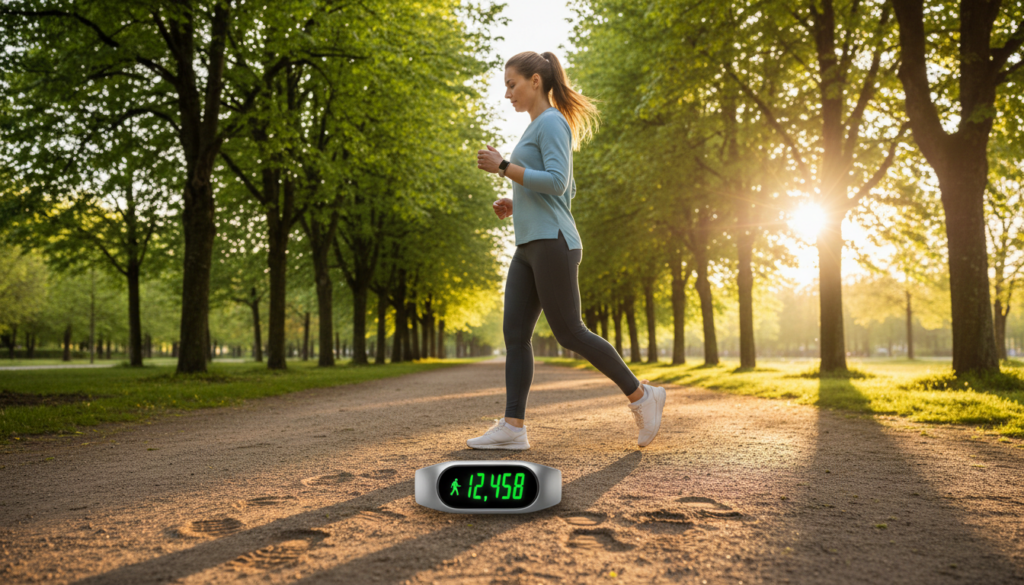
Track your normal routine for seven straight days and calculate the weekly average, not your best single day. Use Apple Health, Google Fit, or any fitness tracker. Consistent tracking matters more than the brand you choose.
Small increases that still move the needle
Baseline-first logic: raising daily totals above your average drives results even when the final number isn’t perfect. Tracking alone often nudges people upward — some studies note roughly +2,500 extra steps per day for trackers users.
- Try modest bumps like +500, +1,000, or +2,000 per day based on schedule.
- Small daily gains compound: +500/day is +3,500 weekly without long sessions.
- Set an initial goal that fits your time limits, then increase once it feels normal.
Track progress with simple tools and adjust your plan as routine and energy allow. For related lifestyle tips, see track progress.
How many steps a day to lose weight
Pick an achievable step target that fits your schedule and build gradual increases from there.

The realistic target range many adults can aim for
7,000–10,000 steps per day is a common sweet spot. This range raises daily burn without huge time demands. It pairs well with modest diet changes and steady progress.
When higher targets make sense for fat loss
10,000–12,500+ makes sense when progress stalls, calorie needs are high, or diet is already dialed in. Higher totals can speed fat loss but require more time or intensity.
Activity categories so you can place yourself
| Category | Steps per day | What it means |
|---|---|---|
| Sedentary | <5,000 | Low daily movement; clear room for gains |
| Lightly active | 5,000–9,999 | Good health benefits; easier ramp-up |
| Active | 10,000–12,500 | Strong maintenance and fat-loss support |
| Highly active | >12,500 | Significant daily burn; fits active lifestyles |
Reality check: If hitting 12,500+ is stressful, choose a lower target and add brisk intervals. Small, consistent gains often beat unsustainable spikes.
For tips on saving energy and pairing lifestyle wins with movement, see smart thermostat savings.
Is 10,000 steps a day the best goal or just a myth?
The 10,000-step target is familiar, but its origin is more marketing than science. The idea began in Japan in the 1960s as a catchy pedometer label, not a strict research cutoff. Over time it became a cultural benchmark.

Where the idea came from
The original number came from a product name and simple promotion, not a clinical trial. That makes the figure useful as a reference, not an absolute rule.
When the benchmark helps and when fewer steps still count
When it helps: aiming for 10,000 steps can build general fitness, raise daily calorie burn, and support noticeable progress if you are consistent.
When fewer steps work: beginners, older adults, and very busy people benefit from lower targets that focus on regular movement. Small, steady increases beat all-or-nothing thinking.
- Rule of thumb: choose a number you can meet most days, then nudge it up gradually.
- Use it as a stretch goal rather than a pass/fail test to avoid burnout.
For bedroom and lifestyle ideas that pair well with daily movement goals, see zen house inspiration.
How many calories do you burn from walking? (Steps-to-calories basics)
Daily movement translates into usable energy burn you can plan around. Below are simple anchors that make it easier to estimate calories from walking and set realistic goals.

A practical estimate for calories burned per 1,000 steps
Back-of-napkin conversion: about 30–50 calories per 1,000 steps. This depends on body size and pace, so treat it as an estimate rather than exact math.
What research suggests per mile walked
Use a per-mile anchor for context: a 2021 study found roughly 107 calories per mile on average. The American Heart Association gives a wider range—about 55–140 calories per mile—because intensity and body size vary.
| Reference anchor | Typical value | Why it varies |
|---|---|---|
| Per 1,000 steps | ~30–50 calories | Body weight, pace, step length |
| Per mile (research) | ~107 calories | Study average across participants |
| Per mile (AHA range) | 55–140 calories | Intensity, terrain, individual size |
Use these figures to create a modest daily deficit. Treat tracker calorie readouts as trend data, not precise totals. A 10–30 minutes brisk walk can provide a handy step chunk that fits most schedules. Pair walking with sensible nutrition for steady scale progress.
What changes your calorie burn while walking
Calories burned vary by personal traits and effort. The same route can feel easy for one person and hard for another. Small adjustments often yield bigger returns than adding long sessions.
Body weight and composition: Moving more mass uses more energy. People with more muscle burn extra calories at rest and during activity. Keeping muscle helps long-term fat control.
Age and metabolism
Metabolism tends to slow with age and muscle loss. That can lower the calories you get from the same walk. Strength work and protein help preserve muscle.
Pace, terrain, and form
Brisk pace, purposeful arm swing, hills, and uneven ground raise intensity and the calorie rate. Good posture and engaged core make walking efficient and safer.
Optional resistance
Weighted vests add effort but start light. Prioritize joints and consult a clinician if you have knee, hip, or back concerns.

| Factor | Effect on calories | Practical tip |
|---|---|---|
| Body weight | Higher = more burn | Track personal rate |
| Body composition | More muscle = higher resting burn | Add strength 2× weekly |
| Pace & terrain | Brisk/hills raise intensity | Mix brisk intervals and hill walks |
Walk faster or walk longer? How to use intensity for better results
Intensity and duration each change energy burn; small tweaks can speed progress. Choose which fits your routine and recovery, then use simple cues rather than gadgets to guide effort.

Use the talk test to find light, moderate, and vigorous effort
The talk test is easy and reliable. At light effort you can talk and sing without much breath effort.
At moderate effort you can speak full sentences, but breathing is deeper and faster. At vigorous effort talking is broken into short phrases.
Tip: if you want a rough heart rate guide, moderate effort often sits in the middle of your comfortable heart rate range; vigorous is noticeably higher.
Why brisk walking is efficient and how it should feel
Brisk walking is a purposeful, “late for an appointment” pace. It raises heart workload while staying low impact for joints.
- Faster vs longer: higher intensity raises burn calories per minute; longer duration raises total calories and steps.
- Mix brisk 20–30 minutes some days with longer easy walks on others for balance and better fitness.
- Safety: if new to exercise or with medical issues, start at moderate intensity and build up gradually.
Pair walking with sensible habits, and for practical savings that free up time for movement see save money on groceries.
Turning weekly guidelines into daily steps (minutes-to-steps translation)
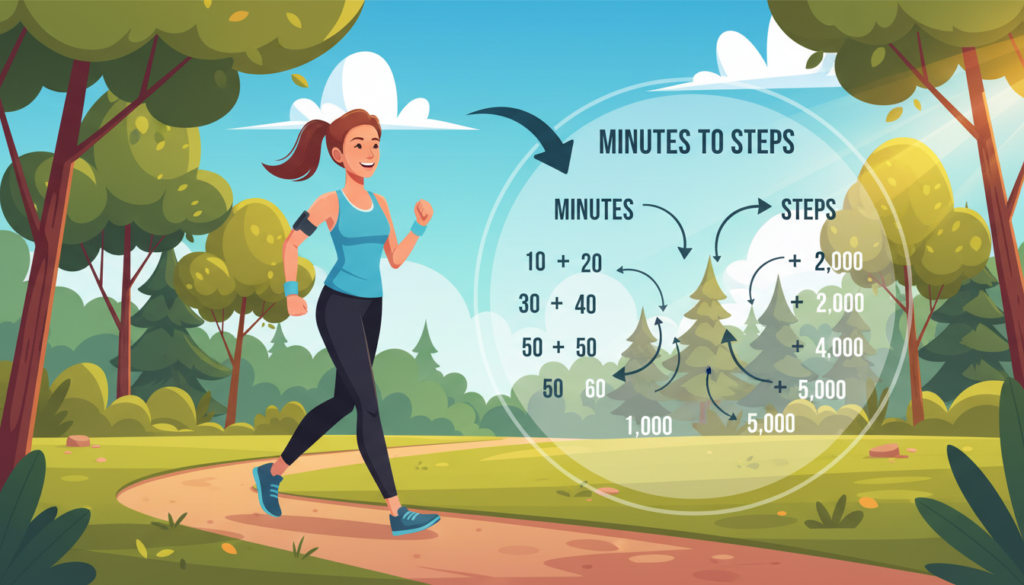
Map weekly minutes of movement into simple, repeatable step targets for your routine. The CDC recommends at least 150 minutes of moderate activity per week. That usually looks like 30 minutes, five times per week.
How CDC-style weekly targets map to brisk walking
For many adults, 30 minutes of brisk walking equals roughly 3,000–4,000 steps. Stride length and pace change the number, so treat this as a practical range.
Split options fit busy schedules: one 30-minute walk, two 15-minute walks, or three 10-minute walks across the work break and evening. These blocks are easy to plan and stack.
- Planned steps (brisk-walk minutes) + lifestyle steps (normal movement) combine to hit daily totals.
- If daily perfection is hard, focus on weekly consistency; totals over a week predict results better than single days.
- Tracking tip: log minutes walked and steps side-by-side for two weeks to see what actually moves your numbers.
For practical home routines and tips that free up time for consistent activity, check practical home organizing.
How to set a step goal you can actually stick with
Pick a reachable milestone based on real life: work hours, family time, and current fitness. Goals should fit your schedule so they survive busy weeks.

Choose a goal based on lifestyle, schedule, and starting fitness
Start with your baseline and be honest about time constraints. If you work long shifts or care for others, a lower goal that you meet often is better than a high one you skip.
Build up gradually with a weekly ramp strategy
Weekly ramp: raise your average by about 5–10% each week or add 500–1,000 extra steps per week if recovery feels fine.
Tip: small increases compound: +500 steps per day equals roughly +3,500 per week.
Use “minimum” and “stretch” goals to stay consistent
Set two targets: a conservative minimum and a motivating stretch. For example, minimum 6,500; stretch 8,500. Aim for the minimum on tough days and the stretch on better ones.
“Consistency wins more than perfection. Small, steady gains last.”
- Anchor actions: morning walk, lunch loop, after-dinner stroll make steps automatic.
- Track patterns and solve low-step days instead of blaming motivation.
- Watch soreness or sleep changes—slow the ramp if pain persists.
| Focus | Practical target | Why it works |
|---|---|---|
| Baseline fit people | Increase 500–1,000 weekly | Builds habit without burnout |
| Busy schedule | Minimum + anchors | Makes steps automatic around errands and breaks |
| Recovery-aware | 5% weekly ramp | Safer progress, fewer aches |
Final note: pick realistic goals, track patterns, and favor steady progress. That is the best way to make movement stick long term.
A simple walking plan to increase steps over the next month
Start this month with a simple, structured plan that raises daily movement without adding stress. The goal is steady progress: short blocks of walking, a bit more brisk work, and one higher-effort day each week for variety.

Week-by-week progression using short walks and brisk intervals
Week 1: add one short walk most days (10–15 minutes) and 1–2 brief brisk intervals to learn intensity. Keep walks easy on recovery days.
Week 2: raise average by about +500–1,000 steps and include one longer steady walk on the weekend. Track simple totals rather than perfect numbers.
Mix steady walks with hill days for variety
Week 3: introduce interval structure—1 minute brisk / 2 minutes easy, repeat 6–8 times. This boosts fitness without adding big time blocks.
Week 4: add one hill or stair session (shorter, higher effort) and keep 1–2 easy walks for recovery. Hills raise calorie burn and improve strength and balance.
Optional strength add-on and final notes
Optional: add 1–2 short strength training sessions weekly to protect muscle and joints. If fatigue or soreness rises, hold the same target for an extra week before increasing again.
Easy ways to get more steps in your day (without adding an hour)
Small, simple changes during your routine can add hundreds of steps without stealing extra time. Focus on short, repeatable moves that fit work and errands.

Workday tactics that fit short breaks and calls
Set hourly reminders and take five-minute movement breaks. Pace during phone calls or stand in virtual meetings.
Tip: a 5-minute walk at lunch often equals the same step gain as a longer evening walk with less schedule friction.
Errands, commute, and simple swaps
Park farther, take stairs, add one extra lap in stores, or return carts to a distant spot. These micro-moves stack without extra planning.
Make it social and more enjoyable
Listen to podcasts, invite a friend, or walk with kids or a dog. Social accountability keeps people consistent and makes the activity feel less like exercise.
| Tactic | Typical time | Why it works |
|---|---|---|
| Phone pacing | 5–10 minutes | Easy and repeatable during work |
| Stairs | 1–3 minutes | Adds intensity and burns more calories |
| Micro-walks | 10 minutes | Stackable, fits busy schedules |
Simple challenge: pick one new habit each week—stairs week, phone-walk week, post-dinner walk week—and track progress. More daily movement supports heart and metabolic health long before the scale changes.
Conclusion
Small, repeatable movement wins add up and change trends over weeks. Aim for a practical range near 7,000–10,000 steps per day if that fits your life, but remember there’s no single magic number that guarantees success.
Pair walking with good diet, sleep, and stress habits so calories and recovery support steady progress. Calorie burn varies by body size, pace, terrain, and age, so judge results by weekly averages rather than one high-count day.
Choose a repeatable goal with a conservative minimum and a motivating stretch. Add brisk intervals or hills when you want extra intensity. Expect mood and energy gains within weeks and clearer weight-loss changes over 8–12 weeks.
Next step: record your baseline, add 500–2,000 steps per day, and reassess each week—sustainable habits beat perfection.