
Top 10 Music Videos From The 2020s: A Visual Revolution
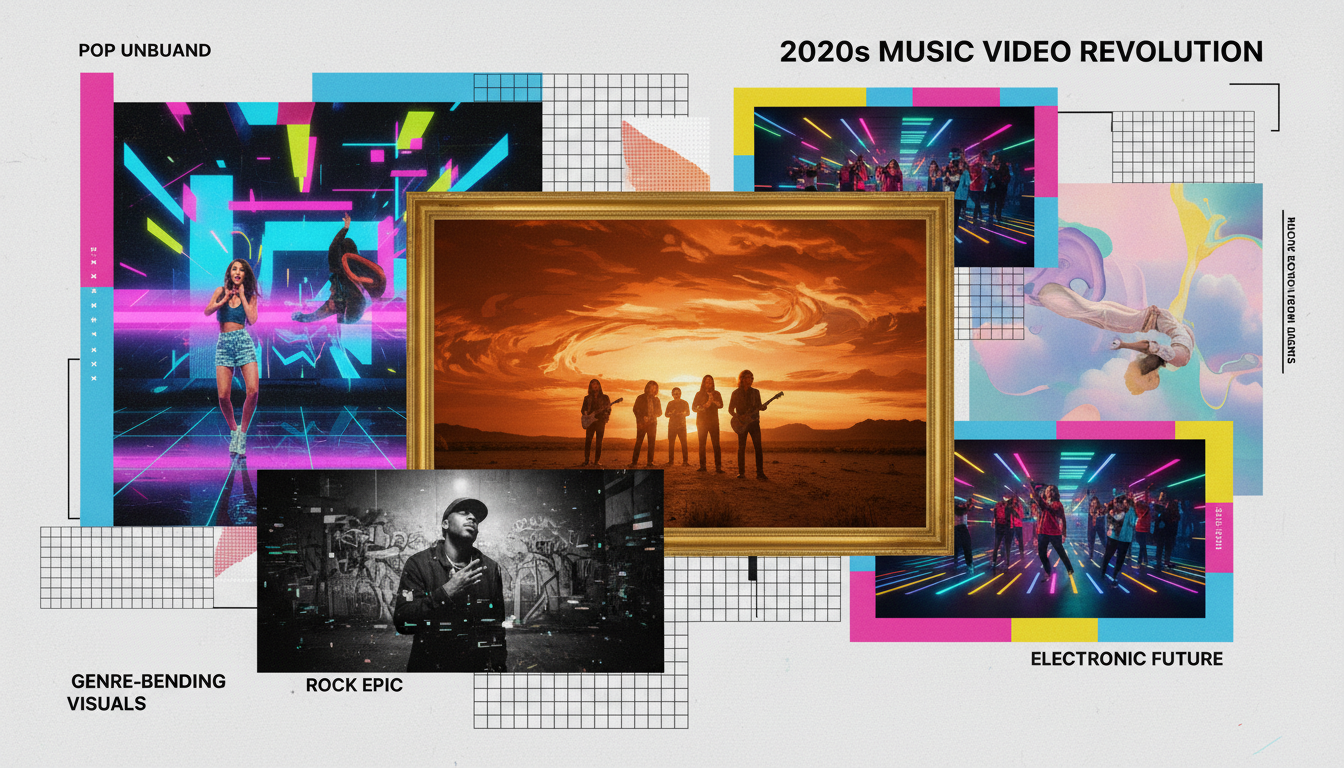
The 2020s ushered in a new era of music video artistry. Directors pushed boundaries like never before. The pandemic reshaped how artists connected with fans through visual storytelling.
This decade transformed the music video landscape. Creative visionaries embraced bold experimentation. They merged film techniques with raw authenticity to create unforgettable moments.
These top 10 music videos 2020s selections represent more than just promotional content. Each one stands as a short film in its own right. They showcase choreography, cinematography, and narrative depth that rivals major motion pictures.
From Christine and the Queens’ experimental vision to Megan Thee Stallion’s powerful statements, these videos captured the cultural zeitgeist. Directors like Colin Tilley and Colin Solal Cardo redefined what music videos could achieve as an art form.
What Makes These Videos Special: Each entry combines technical excellence with cultural relevance. They represent pivotal moments in music, art, and social commentary that defined the decade.
Get ready to experience visual masterpieces that changed how we think about the relationship between music and film. These aren’t just videos to passively watch. They’re immersive experiences that demand your full attention.
10. The Weeknd – “Blinding Lights” (2020)
This video launched the 2020s with a cinematic bang. Director Anton Tammi created a neon-soaked night drive through Las Vegas that perfectly captured the song’s retro-futuristic energy.
The camera work deserves special recognition. Continuous tracking shots follow The Weeknd through dangerous encounters. His bloodied face becomes a canvas for the neon lights reflecting off glass and metal surfaces.
The aesthetic pulls from 1980s action films. It feels like a lost scene from a Nicolas Winding Refn movie. The video’s success stems from its commitment to a singular vision executed with precision.
Technical Achievements
- Extended steadicam sequences creating immersive experience
- Practical neon lighting effects throughout
- Choreographed fight sequences integrated seamlessly
- Color grading that emphasizes red and blue tones
Cultural Impact
The video sparked countless TikTok recreations. Fans around the world filmed their own versions of the frantic night drive. Its aesthetic influenced music video production throughout the year.
The track became one of the decade’s biggest hits. The video’s memorable imagery helped cement its place in pop culture history. It proved that traditional narrative music videos still had power in the streaming era.
Watch how the director uses the Las Vegas Strip as more than just a backdrop. Every frame serves the story of a man spiraling out of control. The location becomes a character itself.
9. Childish Gambino – “This Is America” (2020 Impact Edition)
Though released in 2018, this video’s influence dominated the early 2020s. Director Hiro Murai crafted a masterpiece of social commentary that felt increasingly relevant as the decade progressed.
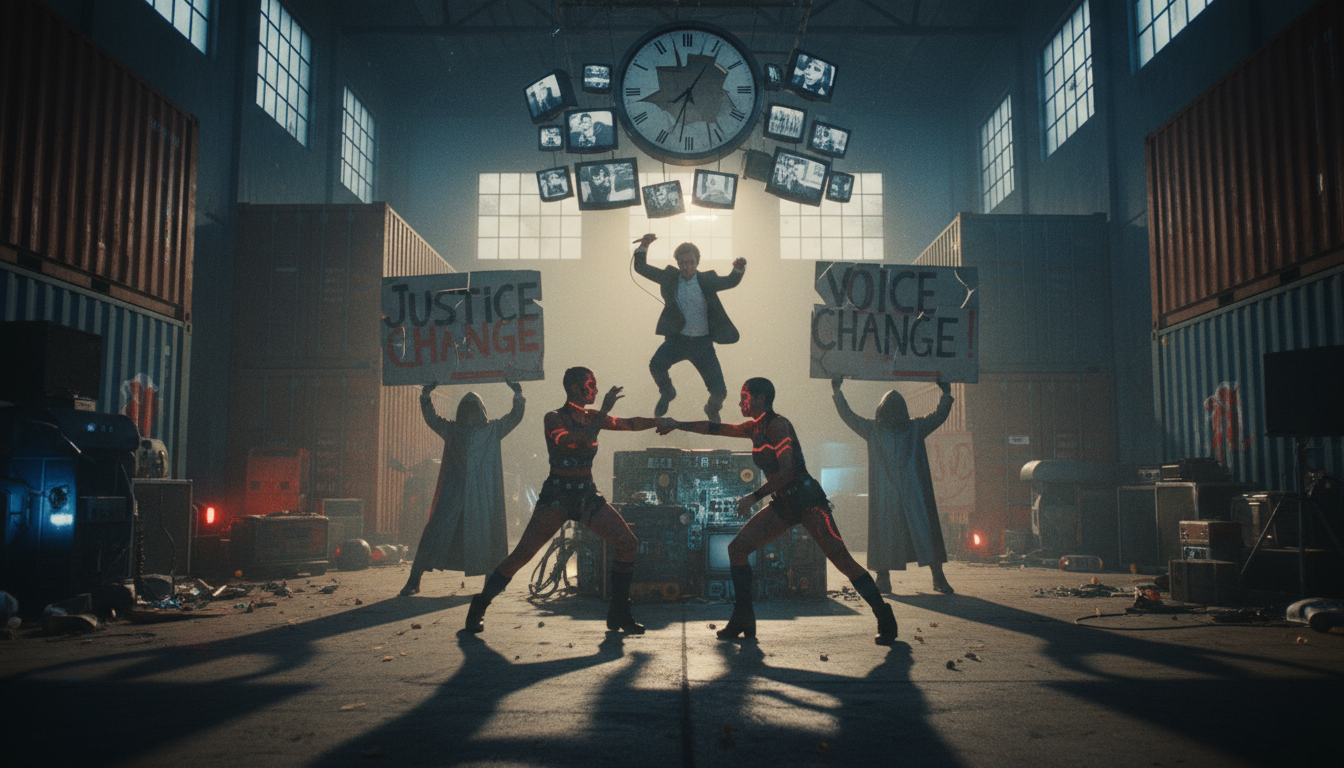
The single-take approach creates relentless tension. Donald Glover’s performance shifts between joyful dance and shocking violence. This juxtaposition forces viewers to confront uncomfortable truths about American culture.
Every element carries symbolic weight. Background chaos unfolds while foreground entertainment distracts. The choreography, inspired by South African dance styles, contrasts sharply with moments of brutal imagery.
Layered Symbolism
The video demands multiple viewings. New details emerge each time. Background characters reveal their own stories. The setting itself transforms from empty warehouse to chaotic scene.
Gun violence takes center stage literally. The weapons receive more careful treatment than human life. This visual metaphor sparked necessary conversations about American priorities.
- Jim Crow era imagery reimagined for modern context
- Social media culture’s role in distraction from violence
- Black joy and Black trauma existing simultaneously
- Entertainment industry complicity in problematic narratives
The video remains essential viewing. Its themes of gun violence, racism, and cultural appropriation stayed relevant throughout the 2020s. Few music videos achieve this level of artistic and social impact.
Discovering Your Favorites?
Three videos down, seven masterpieces to go. Each one brings something unique to the art form. Take a moment to reflect on which visual style resonates with you most.
8. Megan Thee Stallion – “Body” (2020)
Colin Tilley directed this celebration of Black female bodies with unapologetic boldness. The video transforms a museum setting into a living gallery of body positivity.
Megan Thee Stallion commands every frame. Her confidence radiates through choreographed dance sequences. The message is clear: all bodies deserve celebration and respect.
The production design references classical art history. Real women of various body types appear as living sculptures. This visual choice subverts traditional Western beauty standards perpetuated in museum spaces.
Director’s Vision
Colin Tilley brought his signature high-energy style. The camera moves dynamically through elaborately constructed sets. Each scene builds on themes of empowerment and self-love.
The choreography by JaQuel Knight showcases Megan’s skills. It also highlights the diverse dancers surrounding her. Every person in frame exists as an individual, not just backup.
Visual Aesthetics
Bold colors dominate the palette. Pinks, purples, and golds create a luxurious atmosphere. The lighting flatters every body type equally.
Costume design plays a crucial role. Outfits range from barely-there to fully adorned. Each look emphasizes the wearer’s best features while maintaining artistic cohesion.
Cultural Significance
This video arrived during pandemic lockdowns. It offered joy and affirmation when people needed it most. The message of self-acceptance resonated across demographics.
Megan Thee Stallion used her platform to challenge body shaming. The video sparked conversations about representation in music videos. It proved that commercial appeal and positive messaging could coexist.
Notice how the camera never objectifies. It celebrates without exploiting. This distinction matters in an industry with problematic history regarding female bodies.
7. FKA twigs – “sad day” (2020)
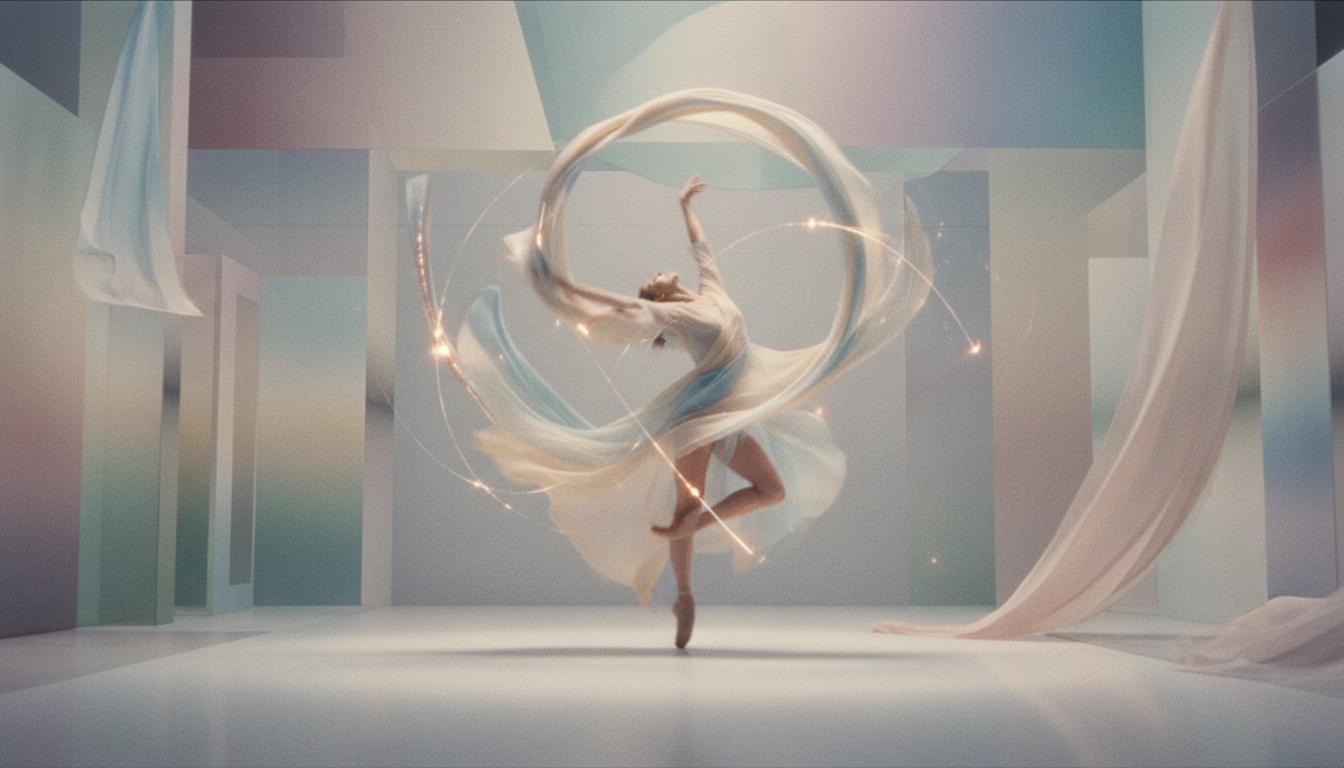
This self-directed video showcases FKA twigs as a complete artist. She handles direction, choreography, and performance with equal mastery. The result feels deeply personal.
The setting is intentionally minimal. A single room becomes a stage for emotional exploration. The choreography expresses vulnerability and strength simultaneously.
Her movement vocabulary draws from multiple dance traditions. Voguing elements mix with contemporary techniques. The camera observes rather than intrudes, allowing the performance to unfold naturally.
Artistic Approach
The video strips away typical music video excess. No elaborate sets or costume changes distract from the emotional core. This decision amplifies the song’s raw feeling.
- Single location shooting emphasizing intimacy
- Natural lighting creating authentic mood
- Extended takes showcasing complete dance phrases
- Minimal editing letting movement speak
FKA twigs proves that music videos don’t need big budgets to make big statements. The emotional honesty here surpasses many high-budget productions. Sometimes less truly is more.
The video captures pandemic-era isolation perfectly. Even before COVID-19, it spoke to feelings of confinement and yearning. The timing made it especially poignant.
6. Christine and the Queens – “People, I’ve Been Sad” (2020)
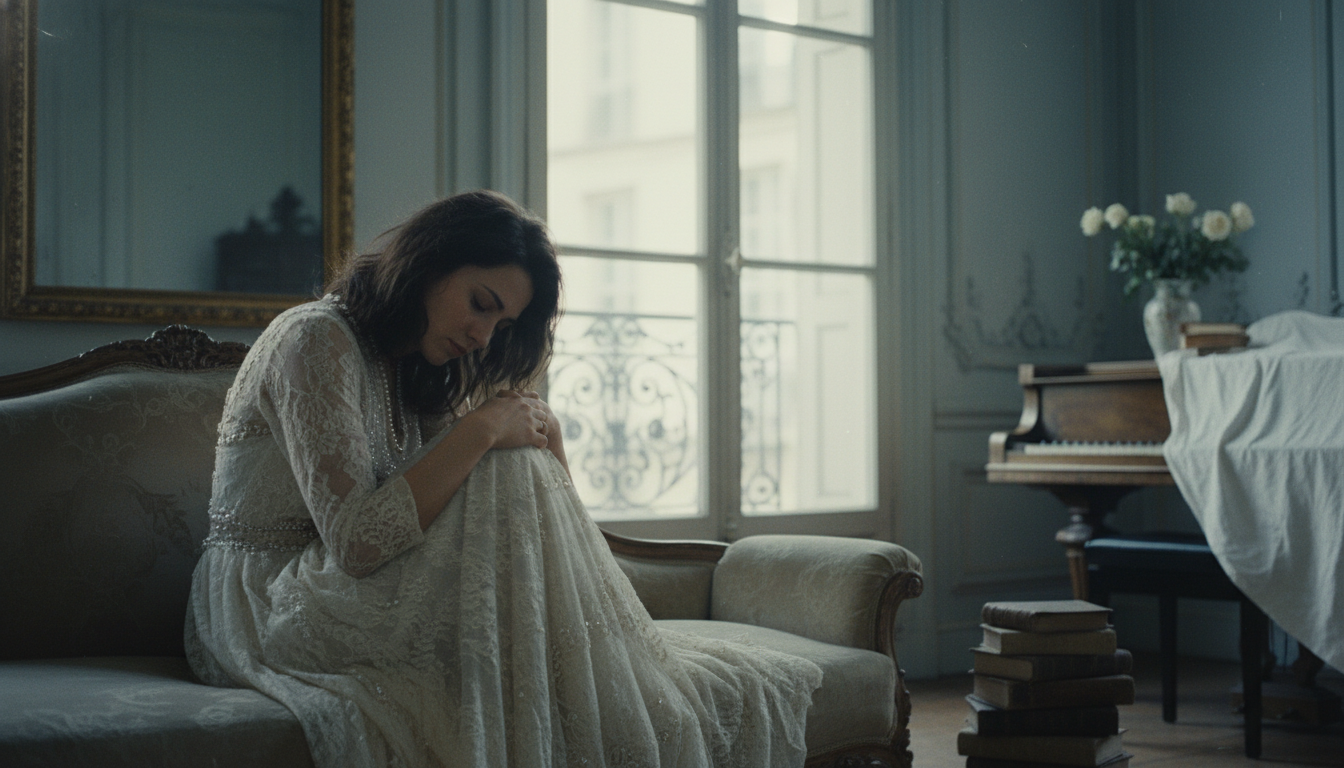
Christine and the Queens delivers a theatrical masterpiece directed by Colin Solal Cardo. The video transforms a Paris apartment into a stage for melancholic beauty.
Chris performs throughout various spaces within one location. Each room represents a different emotional state. The choreography flows between spaces with dreamlike logic.
The aesthetic recalls French New Wave cinema. Long takes allow performances to breathe. The camera becomes a curious observer wandering through someone’s private world.
Visual Storytelling
Colin Solal Cardo crafted scenes of exquisite loneliness. Christine and the Queens moves through spaces like a ghost. The choreography expresses isolation through deliberate, controlled movements.
Supporting dancers appear and disappear. They represent memories or possibilities. The line between real and imagined blurs intentionally.
Artistic Strengths
- Stunning French apartment location
- Cohesive artistic vision throughout
- Emotional choreography perfectly matched to music
- European film influence elevating the form
- Intimate scale creating connection with viewer
Potential Barriers
- Slower pacing may challenge some viewers
- Subtle emotional expression requires attention
- Artistic approach less accessible than pop videos
This video represents music videos as high art. It demands the same attention you’d give a short film. The reward for that attention is profound emotional resonance.
Christine and the Queens continues pushing boundaries. This work influenced how artists approached vulnerability in their visuals. It showed that sadness could be beautiful without being exploitative.
Halfway Through Our Journey
You’ve experienced diverse artistic visions from bold statements to intimate expressions. The remaining five videos showcase even more innovation in music video artistry. Each one pushes boundaries in unique ways.
5. The Weeknd – “Save Your Tears” (2021)
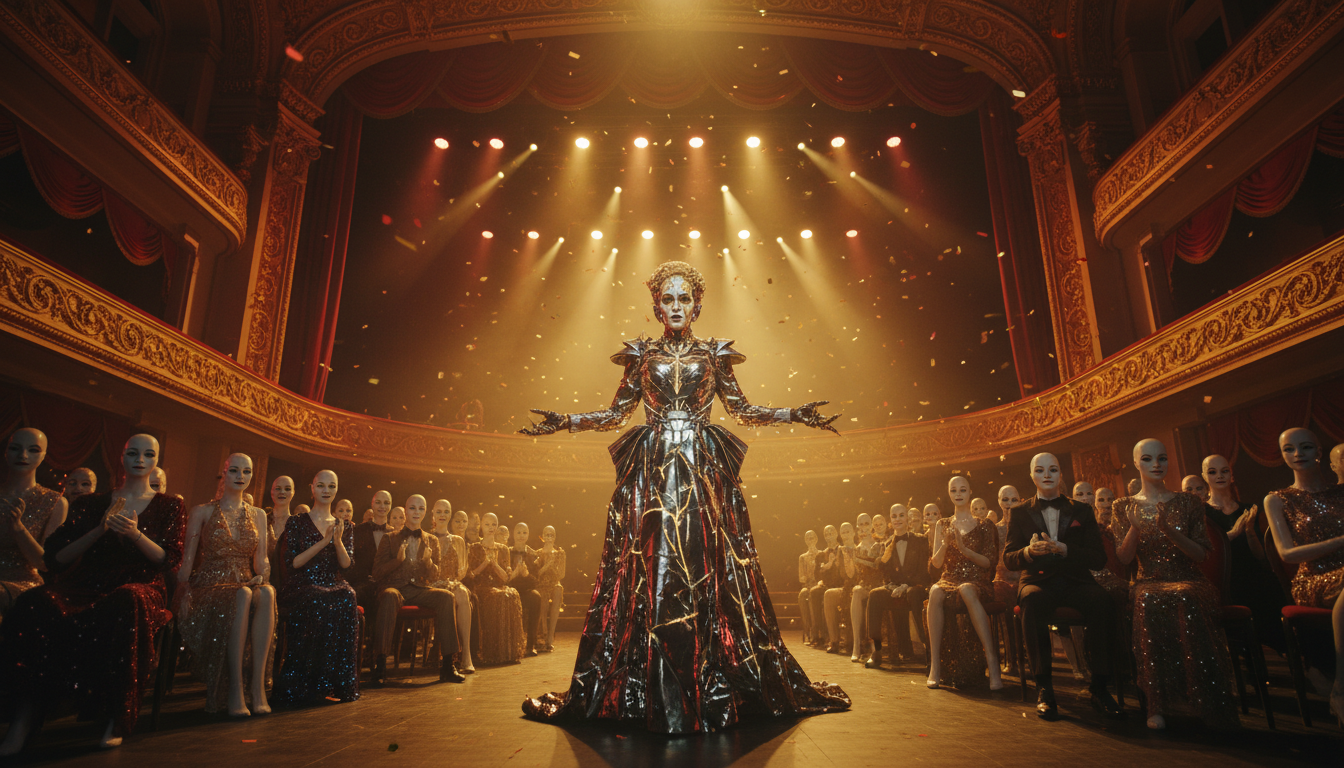
Director Cliqua transformed a concert hall into a surreal nightmare. The Weeknd performs for an audience of mannequins and unsettling characters. The prosthetic makeup creates an unforgettable visual hook.
The video builds on themes from The Weeknd’s “After Hours” era. His character becomes increasingly distorted throughout the visual album narrative. This entry shows the transformation reaching disturbing new heights.
The choreography feels deliberately off-putting. Backup dancers move in synchronized unease. The color palette of golds and reds creates false warmth, emphasizing the underlying horror.
Narrative Depth
The video works as standalone art. It also functions as part of a larger story. The Weeknd committed to an interconnected visual universe across multiple music videos.
His distorted face represents fame’s corrupting influence. The adoring crowd can’t see or doesn’t care about his transformation. This metaphor speaks to celebrity culture’s darker aspects.
- Opening shot establishes the uncanny setting immediately
- Camera reveals The Weeknd’s altered appearance gradually
- Performance escalates as the song builds intensity
- Final moments show the character fully embracing his new identity
Production Excellence
The set design required massive construction. The concert hall looks vintage yet timeless. Attention to period details creates believable world-building.
Prosthetic makeup took hours to apply. The discomfort shows in the performance, adding authenticity. The Weeknd commits fully to the artistic vision.
Lighting design shifts subtly throughout. Watch how shadows emphasize facial distortion. The technical crew supported the disturbing atmosphere perfectly.
4. Lil Nas X – “MONTERO (Call Me By Your Name)” (2021)
Directors Tanu Muino and Lil Nas X created cultural lightning in a bottle. This video sparked conversation, controversy, and celebration. It represents queer visibility at unprecedented mainstream levels.
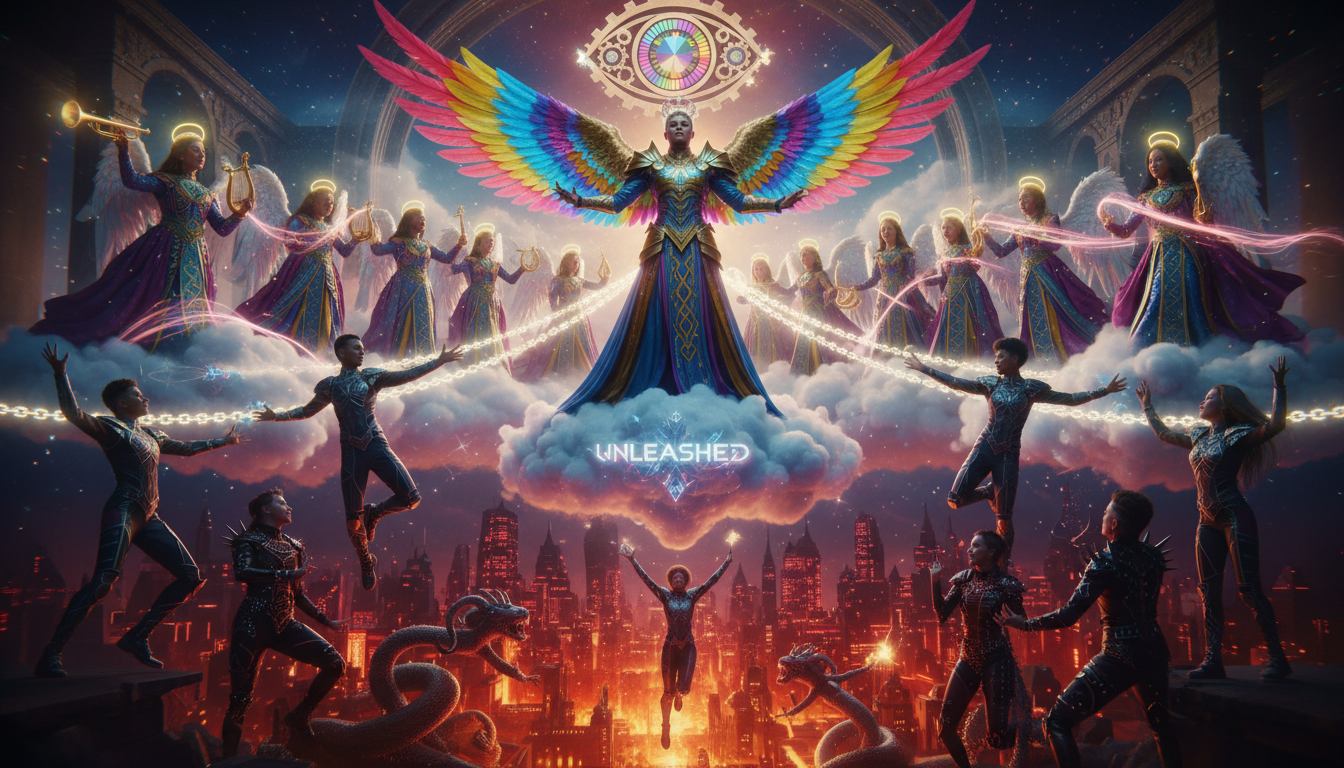
The biblical imagery gets reimagined through a queer lens. Lil Nas X travels from Garden of Eden to hell itself. He reclaims religious symbolism used historically to condemn LGBTQ+ people.
The production value rivals major film releases. CGI elements blend seamlessly with practical effects. Each segment represents a different artistic style and emotional tone.
Revolutionary Aspects
- Openly queer narrative in mainstream music video
- Biblical iconography reinterpreted for marginalized voices
- High production values supporting queer artistry
- Commercial success proving demand for diverse stories
- Artist controlling his own narrative completely
Visual Journey
The video progresses through distinct acts. Each section features different costume design and color schemes. The coherence remains despite stylistic shifts.
The Garden of Eden sequence uses vibrant pastels. Hell appears in dramatic reds and blacks. Heaven features ethereal whites and golds. This visual progression supports the narrative.
Cultural Impact
The video became a watershed moment. Young LGBTQ+ fans saw themselves represented in mainstream media. The artist’s courage inspired others to tell their authentic stories.
Controversy only amplified the message. Critics revealed their biases while supporters rallied. The conversation itself became part of the video’s legacy.
Lil Nas X proved queer artists could dominate popular culture. He didn’t hide or soften his identity. The commercial and critical success validated this approach.
The choreography throughout deserves recognition. Dancers perform with sensuality and skill. The movement celebrates bodies and desire without shame.
3. Billie Eilish – “Happier Than Ever” (2021)
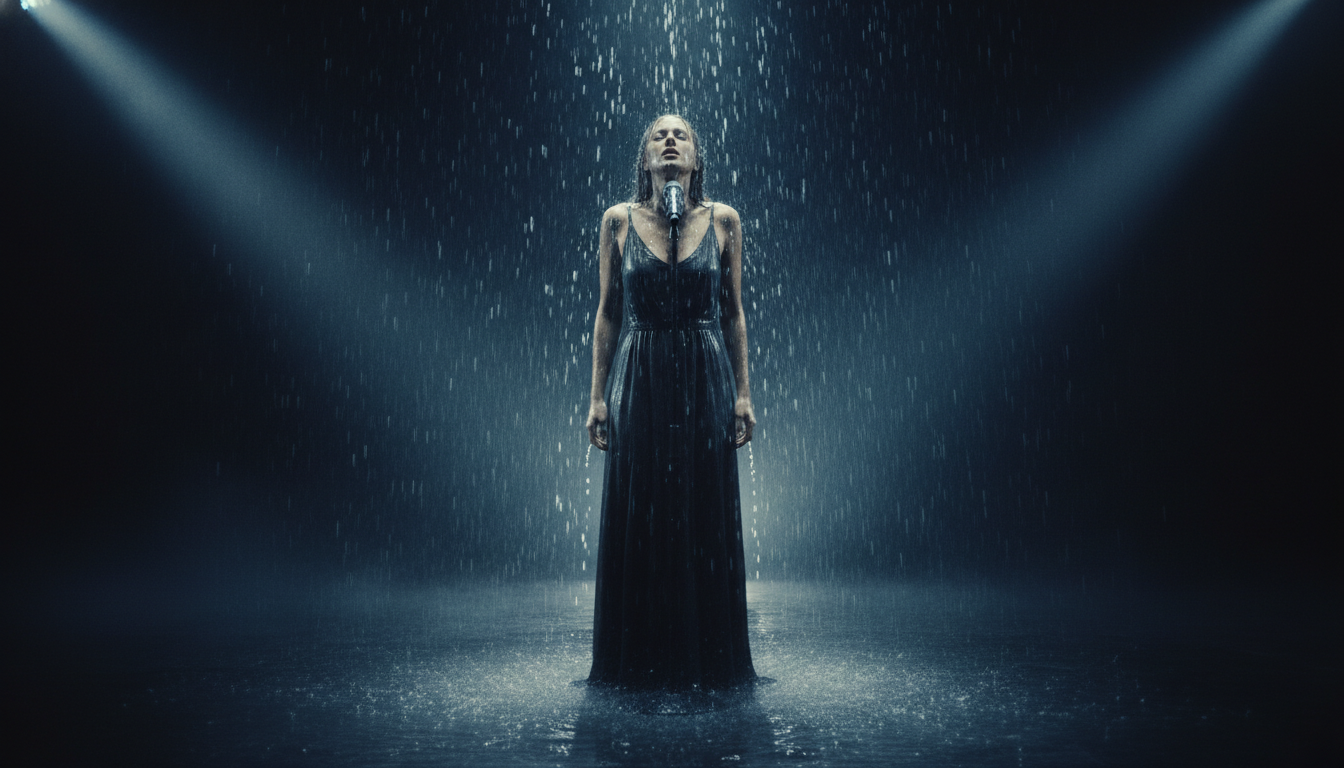
This video captures pure catharsis. Director Billie Eilish took creative control for a simple yet powerful concept. She performs in a soundstage as rain progressively drenches everything.
The minimalism serves the song’s emotional arc. The track builds from quiet verses to explosive chorus. The rain intensifies accordingly, creating perfect visual metaphor.
No elaborate narrative or complex choreography distracts. The focus remains on Billie’s performance and the song’s raw emotion. Sometimes the simplest ideas hit hardest.
Technical Execution
Creating controlled rainfall requires precise engineering. The water needed consistent coverage without overwhelming. The lighting had to work despite wet conditions.
The camera moves subtly throughout. It circles Billie as intensity builds. The framing becomes tighter during the most emotional moments.
- Practical rain effects creating authentic feel
- Lighting design maintaining visibility through water
- Sound design integrating rain naturally
- Camera movement supporting emotional escalation
Emotional Resonance
The video captures a specific feeling perfectly. Anyone who’s felt trapped in a toxic situation recognizes this release. The rain becomes tears, anger, and liberation simultaneously.
Billie’s performance carries complete authenticity. She’s not playing a character. The emotion appears genuinely felt in the moment of filming.
The video went viral for its relatability. Fans shared clips during their own emotional breakthroughs. Art became communal healing experience.
This demonstrates that music videos don’t need complexity to succeed. A strong concept executed well beats elaborate production with weak ideas. Billie understood this instinctively.
Nearly There
The final two videos represent the absolute pinnacle of 2020s music video artistry. These selections define the decade’s visual innovation. Prepare for unforgettable experiences.
2. Harry Styles – “As It Was” (2022)
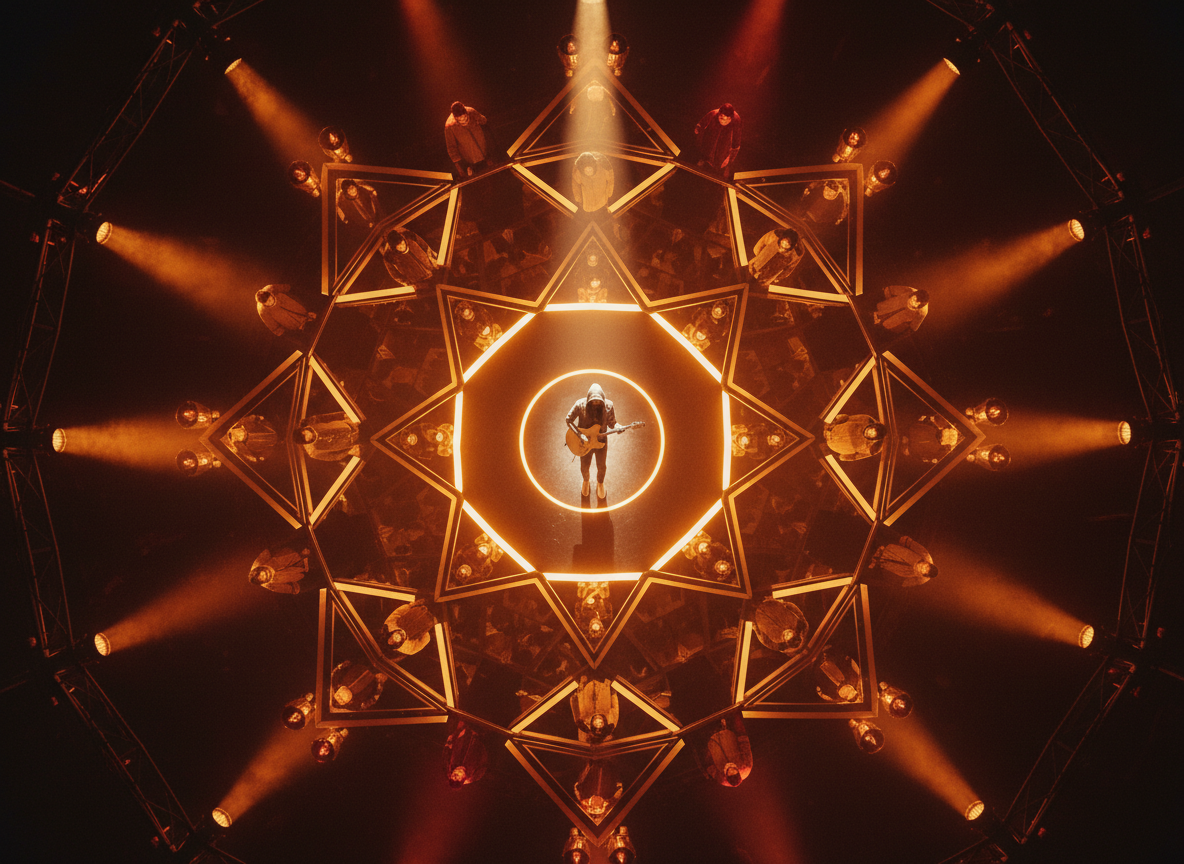
Director Tanu Muino returns with this meditation on performance and connection. Harry Styles appears on a circular platform surrounded by audience members. The staging creates intimacy within spectacle.
The choreography by Yoann Bourgeois brings contemporary dance sensibility. Harry’s movements feel exploratory rather than polished. This vulnerability strengthens the emotional impact.
The video explores themes of isolation despite company. Harry performs for people yet remains separate. The circular platform becomes an island or prison depending on perspective.
Symbolic Elements
The rotating platform represents life’s constant motion. Harry tries to connect but the movement keeps changing dynamics. People come close then drift away.
Costume design keeps Harry in red throughout. This choice makes him stand out against the crowd. The color suggests both passion and warning.
Dance as Language
The choreography tells its own story. Harry reaches toward others repeatedly. The movement vocabulary expresses longing and frustration without words.
Other dancers respond with their own gestures. Each person carries individual emotional weight. The ensemble work creates community despite separation.
Visual Metaphor
The platform’s rotation never stops. This persistent motion creates unease. Viewers feel the inability to find solid ground.
Lighting shifts dramatically throughout. Moments of brightness give way to shadow. The visual rhythm matches the song’s melancholic undertone.
Universal Themes
The video resonated globally because it captured post-pandemic feelings. We’d been isolated then suddenly thrust back into social situations. The awkwardness and longing feel familiar.
Harry Styles’ star power elevated a conceptual idea. His willingness to appear vulnerable in movement allowed authentic expression. Not every artist would commit to this approach.
The video succeeds without narrative clarity. It operates on feeling and symbolism. This artistic trust in the audience paid off commercially and critically.
1. Kendrick Lamar – “The Heart Part 5” (2022)
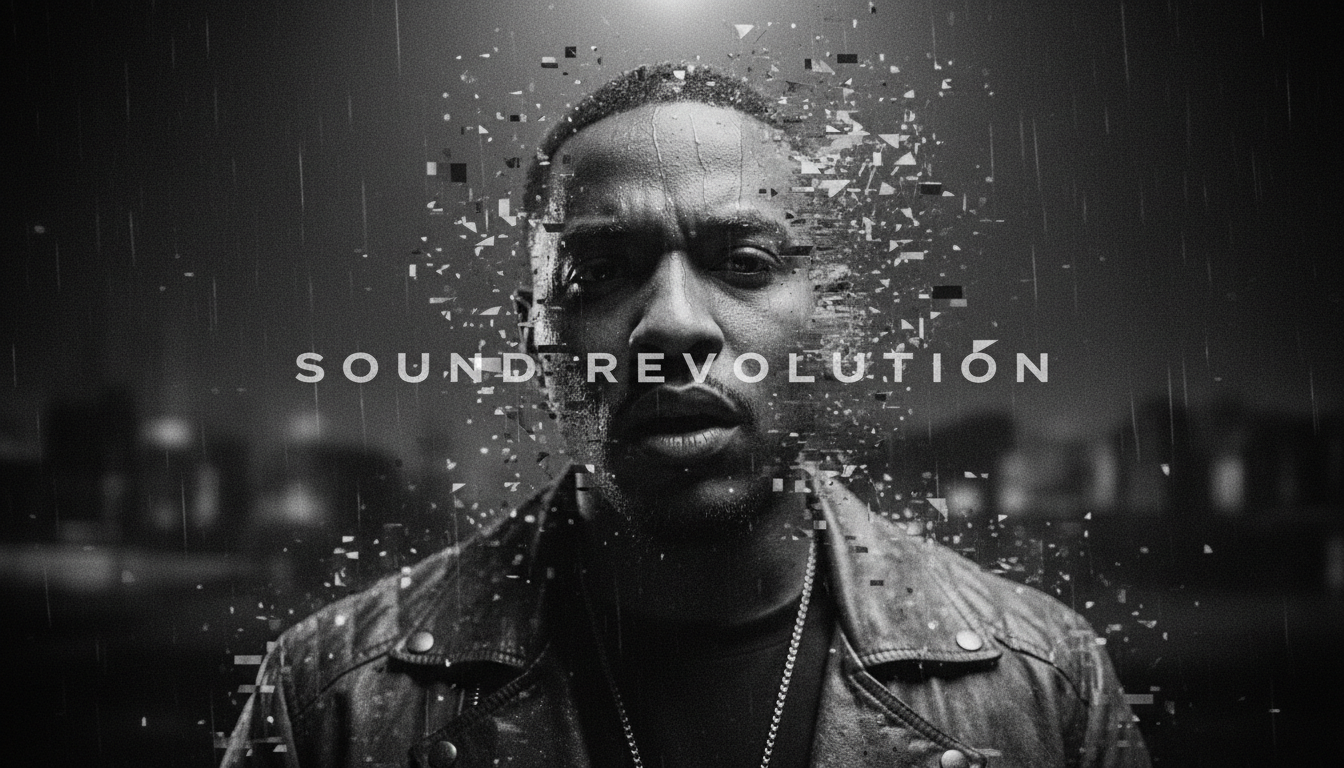
This video represents the decade’s technological and artistic peak. Directors Dave Free and Kendrick Lamar used deepfake technology to transform Kendrick’s face into iconic Black figures. The result is haunting and powerful.
The setup appears simple: one camera, one performer, direct address. Then the transformations begin. Kendrick becomes OJ Simpson, Kanye West, Jussie Smollett, Will Smith, Kobe Bryant, and Nipsey Hussle.
Each transformation carries weight. These figures represent different aspects of Black experience in America. Their stories intersect with themes of justice, talent, controversy, and tragedy.
Technical Innovation
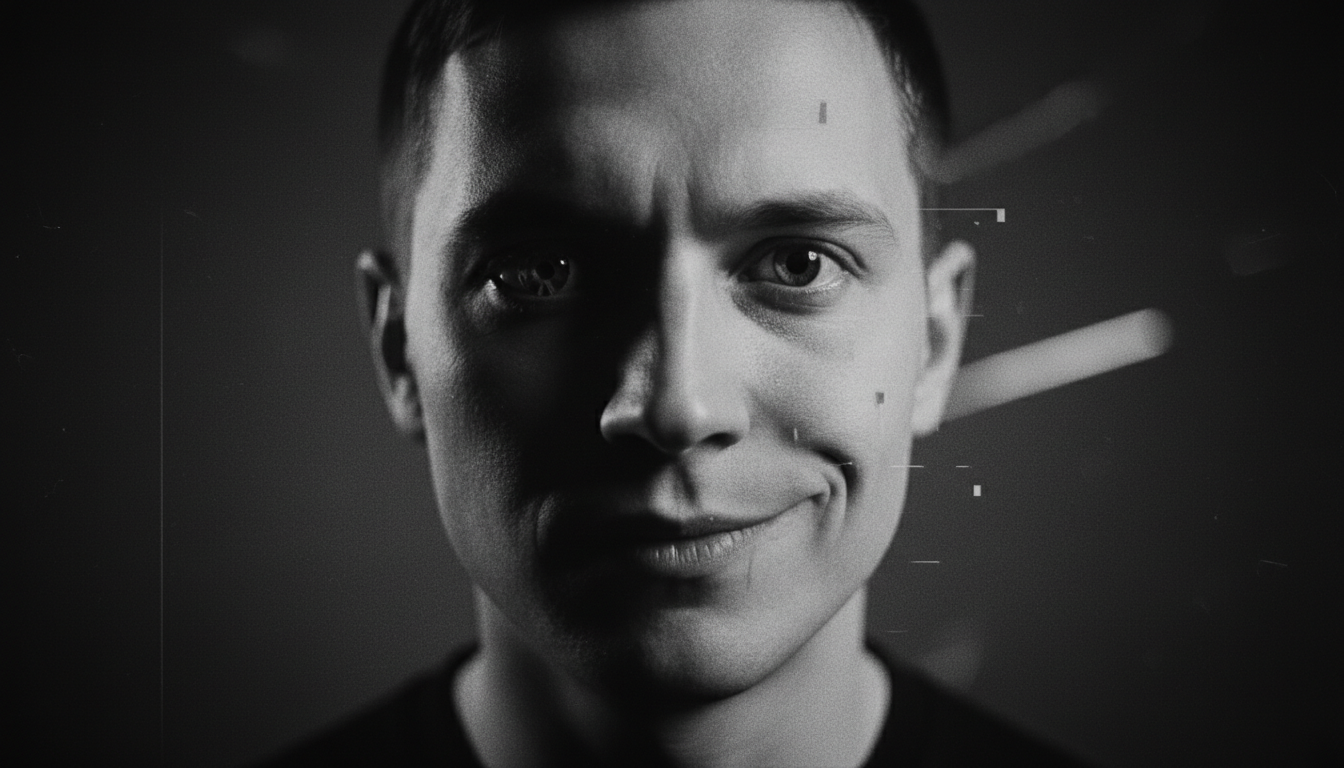
The deepfake technology here surpasses typical applications. The seamless transitions happen in real time within the frame. Viewers watch one face morph into another fluidly.
This technical achievement serves the artistic message. The technology doesn’t exist for spectacle alone. It allows Kendrick to literally speak through these voices.
- Real-time deepfake integration during performance
- Seamless transitions between multiple faces
- Maintained lip-sync accuracy throughout
- Emotional authenticity preserved despite digital manipulation
- Revolutionary application of AI in music videos
Artistic Statement
Kendrick Lamar addresses each figure’s story through his lyrics. He speaks from their perspectives with empathy and critique. The video forces confrontation with complex narratives.
The black and white cinematography emphasizes the gravity. No color distracts from the message. The stark visual approach matches the unflinching lyrical content.
Cultural Significance
This video sparked necessary conversations about representation and technology. The ethical implications of deepfake technology met artistic purpose. The result demonstrated positive applications for controversial tools.
Kendrick’s commitment to social commentary never wavers. He used the most advanced technology available to tell deeply human stories. The combination of innovation and message defines great art.
The figures chosen represent recent history. Their stories remain unresolved in many ways. The video doesn’t offer easy answers but demands ongoing reflection.
“I am. All of us.”
Legacy and Impact
This video will influence music video production for years. It demonstrated how emerging technology can serve artistic vision. Directors will study this as a masterclass in meaningful innovation.
The emotional impact matches the technical achievement. Viewers reported being moved to tears. Art and technology combined to create something genuinely affecting.
Kendrick Lamar proved once again that music videos can be high art. They can tackle serious subjects with nuance. They can innovate technically while remaining emotionally authentic.
This video earns the top spot by pushing every boundary. It represents the best of what music videos achieved in the 2020s: technical excellence, artistic vision, and cultural relevance perfectly unified.
Honorable Mentions Worth Your Time
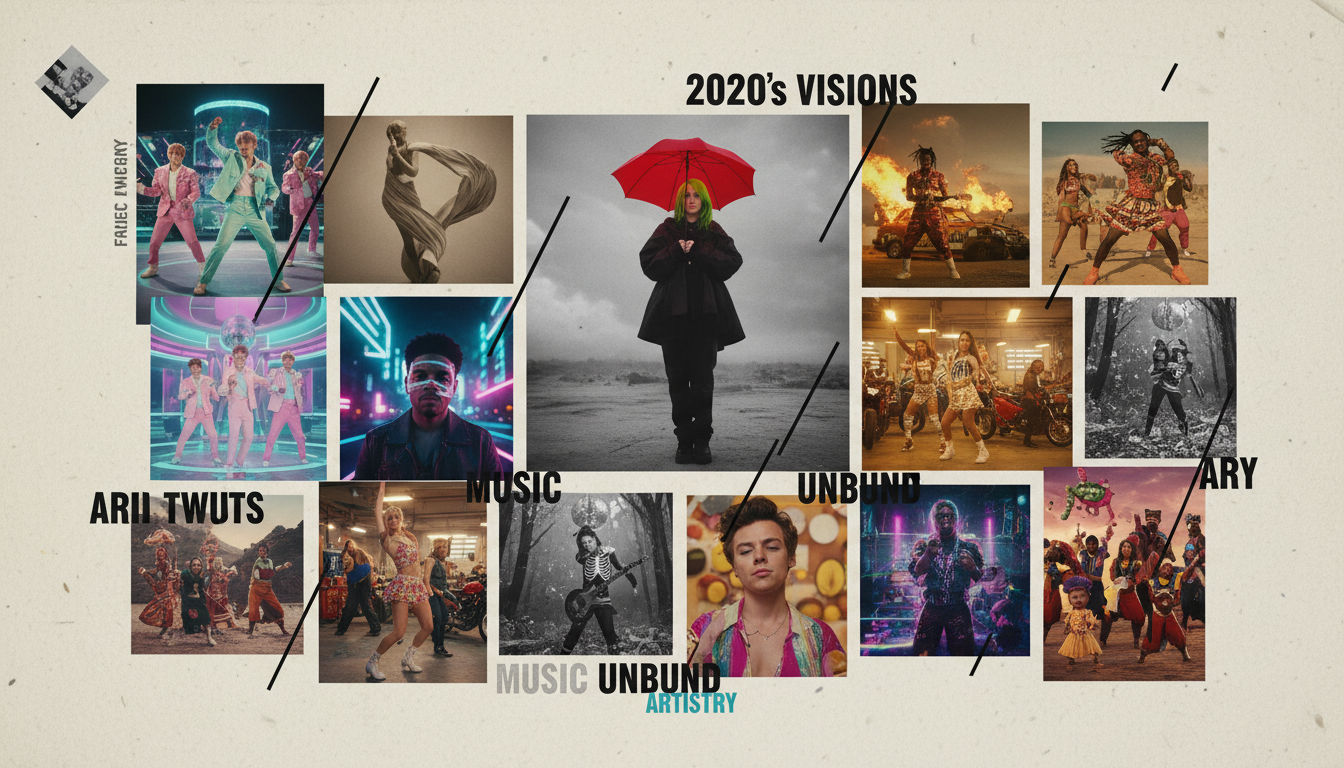
The 2020s produced countless remarkable music videos beyond this top ten. These selections nearly made the list. Each deserves recognition for specific achievements.
Outstanding Visual Achievements
- Doja Cat – “Kiss Me More” featuring retro-futuristic set design that influenced aesthetic trends
- Tyler, The Creator – “WUSYANAME” showcasing pastel perfection and nostalgic cinematography
- Olivia Rodrigo – “good 4 u” bringing pop-punk energy back to mainstream videos
- Bad Bunny – “Yo Perreo Sola” challenging gender norms with powerful visual statement
- Dua Lipa – “Levitating” delivering pure disco-inspired joy and dance choreography
- Rosalía – “SAOKO” blending traditional and contemporary Spanish culture
Each video mentioned pushed boundaries in different ways. The decade proved remarkably diverse in visual approaches. Directors from various backgrounds brought fresh perspectives.
The rise of independent directors changed the landscape. Artists gained more creative control over their visual narratives. This shift resulted in more authentic, personal videos.
How The 2020s Transformed Music Video Art
This decade marked significant evolution in music video production and consumption. Multiple factors contributed to changes in how videos get made and experienced.
Technology’s Impact
Affordable high-quality cameras democratized production. Independent artists created professional-looking videos without major label budgets. The playing field leveled considerably.
Streaming platforms changed viewing habits. YouTube remained dominant but TikTok influenced video structure. Shorter attention spans led to more dynamic editing in many videos.
Production Trends
- Virtual production technology becoming accessible
- Smaller crews creating intimate authentic content
- Artist involvement in creative direction increasing
- Diverse directors bringing new perspectives
- Social issues addressed more directly
The pandemic forced creative adaptation. Artists filmed videos at home or with minimal crew. These limitations sometimes enhanced creativity.
Social movements influenced content significantly. Videos addressed racial justice, gender equality, and mental health. The art form became more socially conscious.
Artistic Developments
Music videos increasingly functioned as short films. The best examples told complete stories within three to five minutes. Narrative ambition grew alongside technical capabilities.
Choreography received renewed emphasis. Dance videos made comebacks across genres. TikTok culture reinforced the value of memorable movement.
Visual aesthetics diversified tremendously. No single style dominated. Directors felt free to experiment without conforming to industry standards.
Visionary Directors Behind The Camera
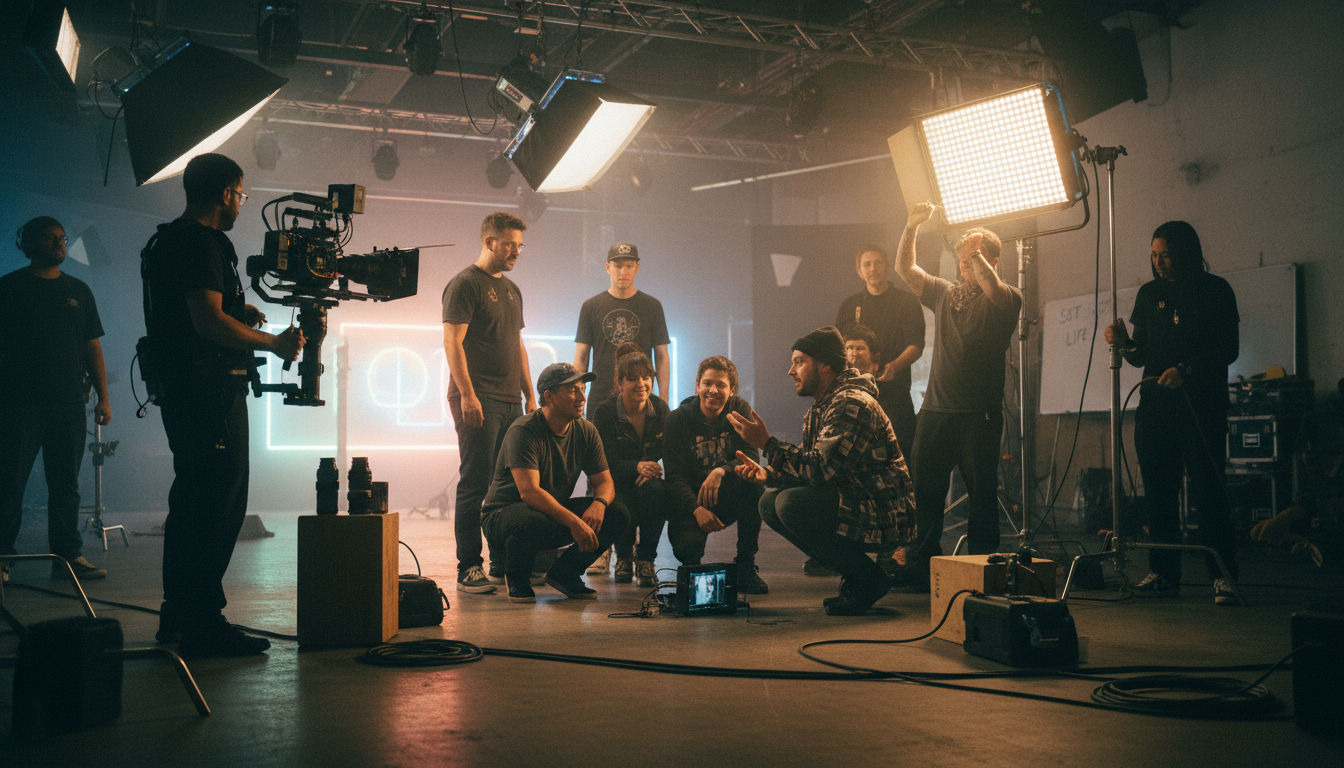
Great music videos require great directors. These filmmakers shaped the decade’s visual landscape through consistent innovation and artistic vision.
Colin Tilley
Colin Tilley continued his reign as hip-hop and pop’s go-to director. His work with Megan Thee Stallion showcased his range. He balances commercial appeal with artistic merit consistently.
His signature style includes bold colors and dynamic camera movement. The energy in his videos feels infectious. Artists trust him to make them look their best while pushing creative boundaries.
Colin Solal Cardo
This French director brought European sensibility to mainstream videos. His work with Christine and the Queens elevated music video as art form. The influence of French cinema permeates his visual approach.
Colin Solal Cardo favors longer takes and natural lighting. His videos feel intimate even at scale. The emotional authenticity in his work stands out in an often-superficial medium.
Emerging Voices
- Tanu Muino – Ukrainian director who brought fresh perspective to major pop videos
- Hiro Murai – Continued pushing conceptual boundaries with each project
- Dave Meyers – Veteran director who adapted and thrived across changing trends
- Kaleb Cameron – Fresh voice bringing new energy to R&B visuals
The director’s role expanded this decade. Many now serve as creative partners rather than hired hands. This collaboration produced more cohesive artistic visions.
What Makes These Videos Work
Analyzing these successful videos reveals common elements. Understanding these factors helps appreciate the artistry involved.
Core Components of Great Music Videos
Visual Cohesion
The best videos maintain consistent aesthetic throughout. Color palettes, camera movement, and editing style work together. Nothing feels random or disconnected.
Emotional Authenticity
Viewers connect with genuine emotion. Performance quality matters more than perfection. The best artists reveal vulnerability through their work.
Technical Excellence
Strong concepts need strong execution. Lighting, camera work, and editing must support the vision. Technical proficiency enables artistic expression.
Story and Concept
Every successful video tells a story somehow. That story might be literal narrative or abstract emotional journey. The key is giving viewers something to follow.
Concepts need clarity even when abstract. Viewers should understand the intention even if interpretation varies. Confusion differs from complexity.
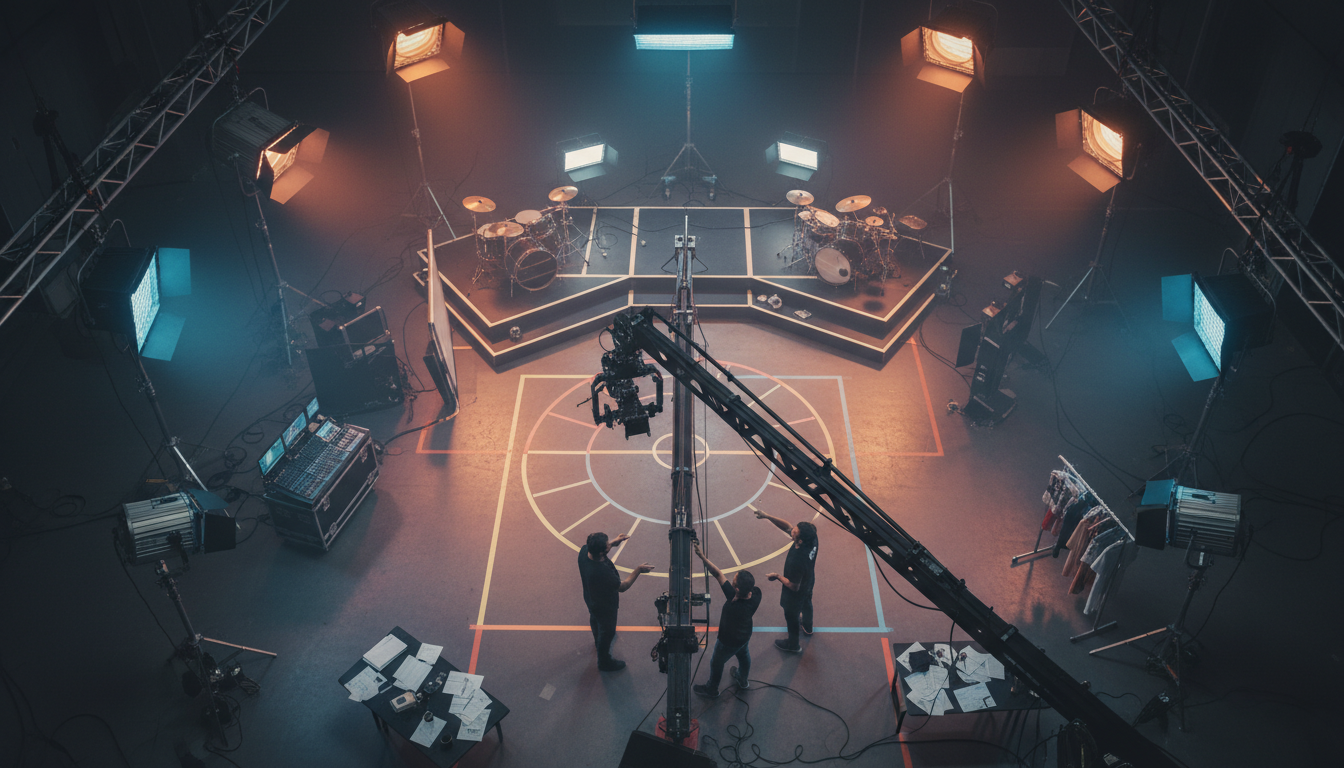
Music Video vs Short Film
The line between these forms blurred this decade. Many videos function as standalone short films. They work even without audio due to strong visual storytelling.
However, the best music videos enhance the song. They don’t compete with or distract from the music. The relationship between sound and image creates something greater than either alone.
How To Fully Appreciate Music Videos
Getting the most from music videos requires active viewing. These tips enhance your experience and deepen appreciation.
First Viewing
Watch without distractions first. Put away your phone. Turn up the volume. Allow yourself to experience the video as intended.
Notice your immediate emotional reaction. What feelings arise? Which images stick with you? These first impressions matter.
Subsequent Viewings
- Watch with sound off to focus purely on visuals
- Pay attention to background details you missed initially
- Notice camera movement and editing choices
- Consider costume and set design decisions
- Look for symbolic elements and metaphors
- Watch behind-the-scenes content if available
Understanding production context enriches appreciation. Learning how effects were achieved or what inspired concepts adds depth. Research the directors and their other work.
Pro Tip: Watch videos on the largest screen available. Many details get lost on phone screens. The directors created these for maximum visual impact.
Sharing and Discussion
Music videos gain meaning through shared experience. Discuss your interpretations with others. Different perspectives reveal new layers.
Social media enables global conversation about videos. Fans create their own content inspired by favorites. This participatory culture extends the video’s life and impact.
The Future: Where Music Videos Go Next
The 2020s established trends that will continue evolving. Predicting exact developments proves difficult but certain directions seem clear.
Technology Integration
Virtual and augmented reality will play bigger roles. Interactive music videos may become common. Viewers might choose their own paths through video narratives.
AI tools will democratize high-end effects further. Independent artists will access technology once reserved for major labels. This levels the creative playing field even more.
Artistic Evolution
The line between music video, short film, and art installation will blur further. Artists will experiment with longer formats. Traditional three-minute structures may evolve.
Vertical video formats will gain legitimacy. Directors will compose specifically for mobile viewing. The stigma around vertical orientation will fade.
Platform Changes
- TikTok influencing video structure and length
- Instagram and Twitter video integration expanding
- YouTube maintaining position as primary platform
- New platforms emerging with unique features
- Cross-platform optimization becoming standard
Distribution strategies will continue adapting. Artists may release different versions optimized for specific platforms. The one-size-fits-all approach will give way to targeted versions.
Social Consciousness
Videos will address social issues more directly. The 2020s showed audiences respond to meaningful content. Artists will continue using their platforms for advocacy.
Representation behind and in front of the camera will improve. Diverse voices will tell diverse stories. The industry will become more inclusive through continued pressure and progress.
The Lasting Impact of 2020s Music Videos
These top 10 music videos 2020s selections represent more than entertainment. They document cultural moments and artistic evolution. Each one contributes to the ongoing conversation about music video as art form.
The decade proved that music videos remain vital despite changing media consumption. When done well, they enhance songs immeasurably. They create cultural touchstones that outlive typical promotional content.
Directors like Colin Tilley, Colin Solal Cardo, and others elevated the craft. Their work inspired emerging filmmakers. The artistic standards rose across the industry.
These videos demonstrate technical excellence, artistic vision, and cultural relevance. They pushed boundaries in ways both subtle and dramatic. The medium evolved significantly through their influence.
As we progress through the decade, these works will be remembered as defining moments. They captured the spirit of their time while transcending it. Great art always accomplishes this balance.
The videos examined here reward repeated viewing. New details emerge with each watch. The layers of meaning deepen through reflection and discussion.
Music videos aren’t dying or becoming obsolete. They’re transforming and improving. The 2020s proved the form remains creatively fertile. Artists and directors continue finding new ways to combine music and image.
These ten videos represent the pinnacle of achievement in music video artistry for the 2020s. Each one deserves your full attention and appreciation. They demonstrate what happens when talented artists collaborate with visionary directors and technical experts.
The relationship between music and visual art continues evolving. What started as promotional tools became legitimate art form. The best music videos now deserve consideration alongside great short films.
Thank you for exploring these remarkable works. May they inspire your own creative endeavors and deepen your appreciation for the art form. The future of music videos looks bright because artists keep pushing forward.
Stay Connected With Music Video Culture
Music videos evolve constantly. New masterpieces emerge regularly. Don’t miss future visual innovations and cultural moments. Join our community of music video enthusiasts who appreciate the art form.
Share your favorite videos from this list with friends. Start conversations about what makes great music videos work. The art form thrives through community engagement and shared appreciation.