
Top 10 Music Videos From The 2010s: The Definitive Visual Revolution
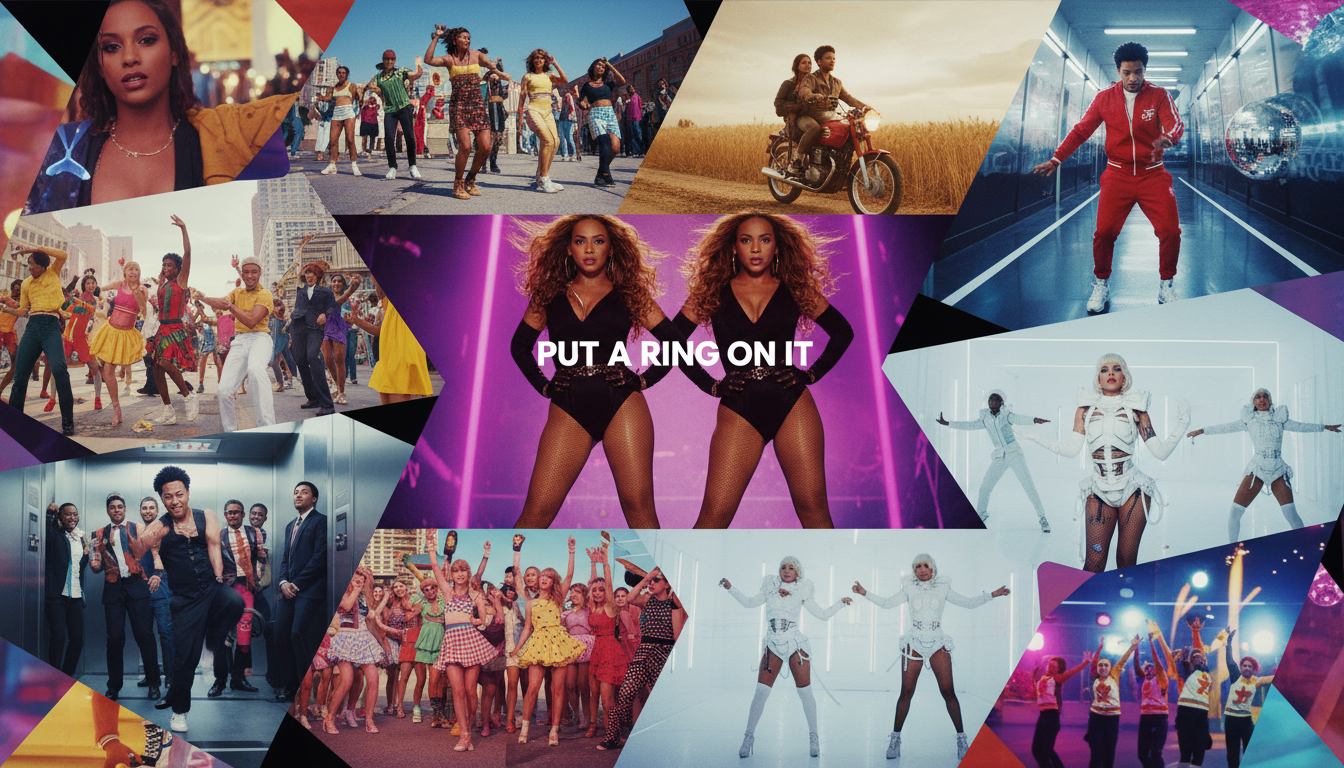
The 2010s transformed music video artistry forever. Directors became auteurs, and artists evolved into visual storytellers who pushed boundaries in ways previous decades could barely imagine.
This decade gave us everything. We watched Kendrick Lamar confront America’s racial wounds through powerful imagery. We saw FKA Twigs bend reality with avant-garde choreography. Lana Del Rey crafted nostalgic dreamscapes that became cultural touchstones.
The music video format exploded beyond MTV’s constraints. YouTube democratized distribution. Social media amplified reach. Artists seized creative control and delivered short films that competed with cinema.
These ten videos didn’t just accompany songs. They defined movements, sparked conversations, and changed how we experience music. Each clip represents a cultural moment that transcended entertainment to become art.
From underground experiments to mainstream phenomenons, these visual masterpieces shaped pop culture throughout the decade. They influenced fashion, dance, filmmaking, and activism in ways that continue resonating today.
1. Childish Gambino – “This Is America” (2018)
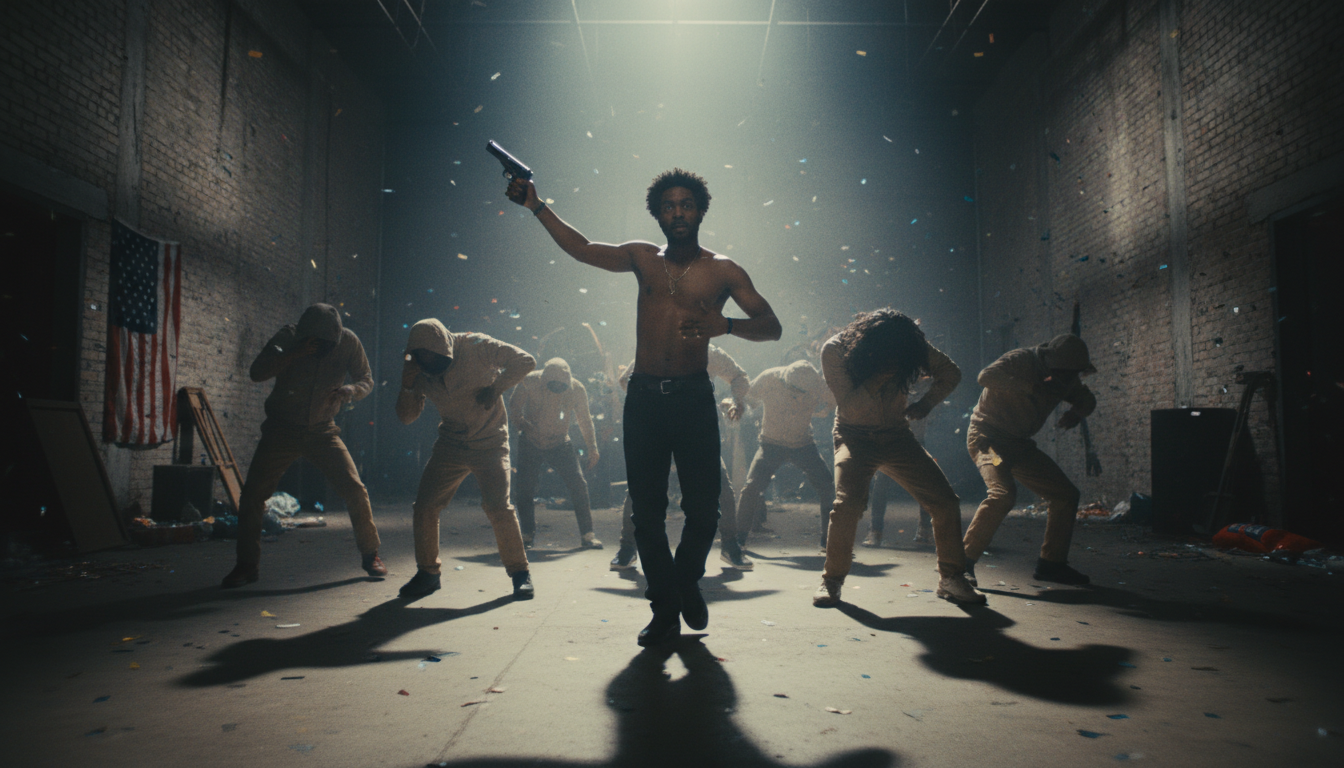
Director Hiro Murai and Childish Gambino created the most talked-about video of the decade. “This Is America” arrived like a cultural bomb in May 2018, immediately dominating conversations across every platform.
The video opens deceptively. Donald Glover dances with exaggerated joy before suddenly shooting a hooded man. That whiplash between entertainment and violence defines the entire four minutes.
Hiro Murai crafted a one-take illusion that feels like a nightmare you can’t escape. The camera follows Glover through a warehouse of chaos. Behind his dancing, riots unfold. Bodies pile up. America’s violence becomes background noise to our entertainment.
Every frame carries symbolism. Guns receive more careful handling than human bodies. Glover’s facial expressions shift between Jim Crow caricature and predatory intensity. The choreography references African dance traditions while commenting on black entertainment’s role in American culture.
The music video format had never delivered social commentary this direct. News outlets analyzed every detail for weeks. Think pieces multiplied. The clip earned over 700 million views in its first year.
Kendrick Lamar had explored similar themes, but Gambino made the violence impossible to ignore. The track became an instant cultural artifact. Murai’s direction ensured the visuals amplified rather than illustrated the song’s message.
This music video proved the format could still shock in an age of constant content. It competed with any short film for artistic impact. The way it weaponized entertainment against complacency redefined what pop culture could accomplish.
2. Kendrick Lamar – “Alright” (2015)
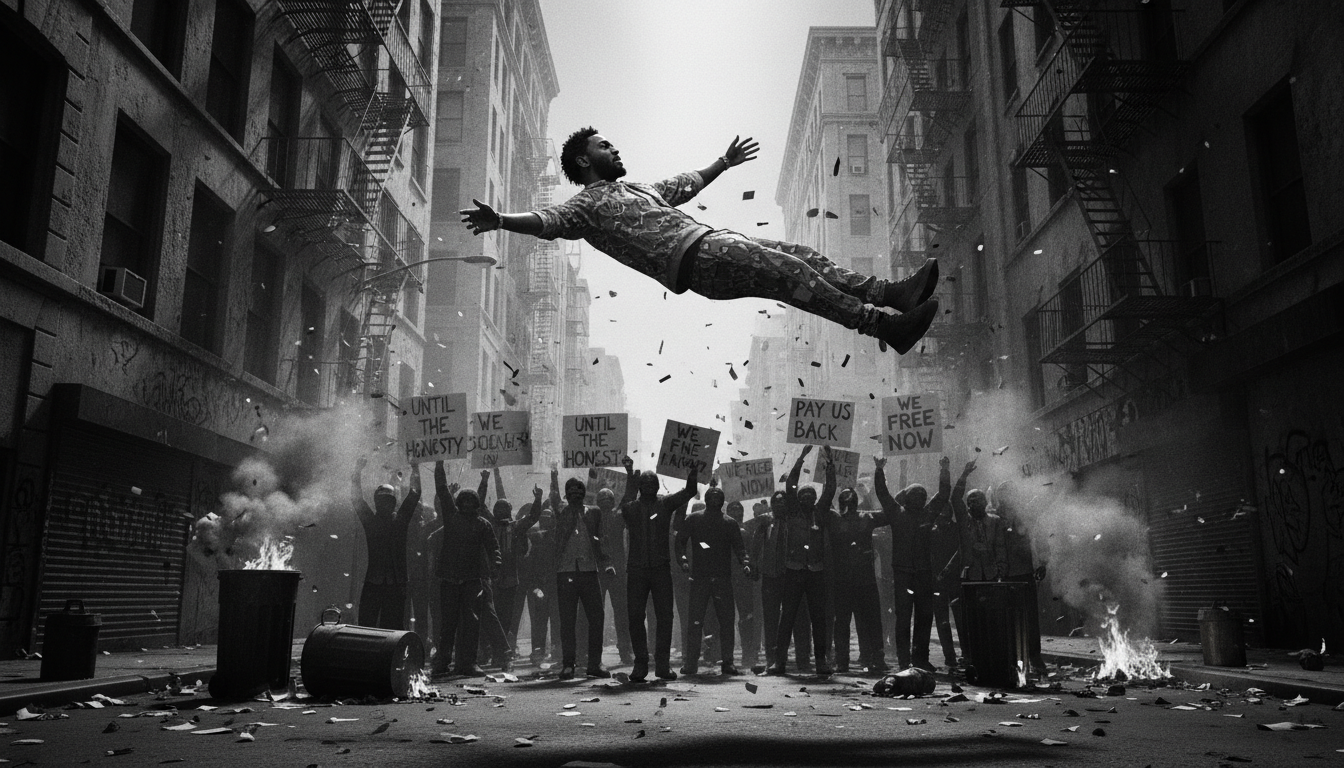
Colin Tilley and Kendrick Lamar transformed a track from To Pimp a Butterfly into a protest anthem. “Alright” became the Black Lives Matter movement’s unofficial soundtrack, and the music video crystallized its revolutionary spirit.
Shot entirely in black and white, the clip begins with Kendrick and his crew packed into a car. They’re talking, laughing, and living before the camera work shifts into something surreal. Lamar starts floating above Los Angeles streets.
That levitation carries profound meaning. While police violence and systemic racism crush communities, Kendrick rises above it all. The imagery suggests transcendence through unity and hope. His floating becomes an act of resistance.
Tilley’s direction captures both despair and defiance. The track pulses with jazz influences while Kendrick delivers verses about surviving America’s hostility toward black bodies. The video matches that complexity through stark visual poetry.
Every scene reinforces the song’s central message. Protesters carried “Alright” into streets across America. The music video gave them imagery that matched their determination. Kendrick became more than a rapper that year.
The way this clip merged artistry with activism set a template. Other artists tried replicating its cultural impact throughout the decade. Few succeeded because “Alright” captured a specific moment when music video format and social movement aligned perfectly.
Kendrick Lamar proved the music video could still galvanize people. The track works powerfully on its own, but Tilley’s visuals elevated it into something protesters could rally around. That transformation represents everything music videos should accomplish.
3. FKA Twigs – “Cellophane” (2019)
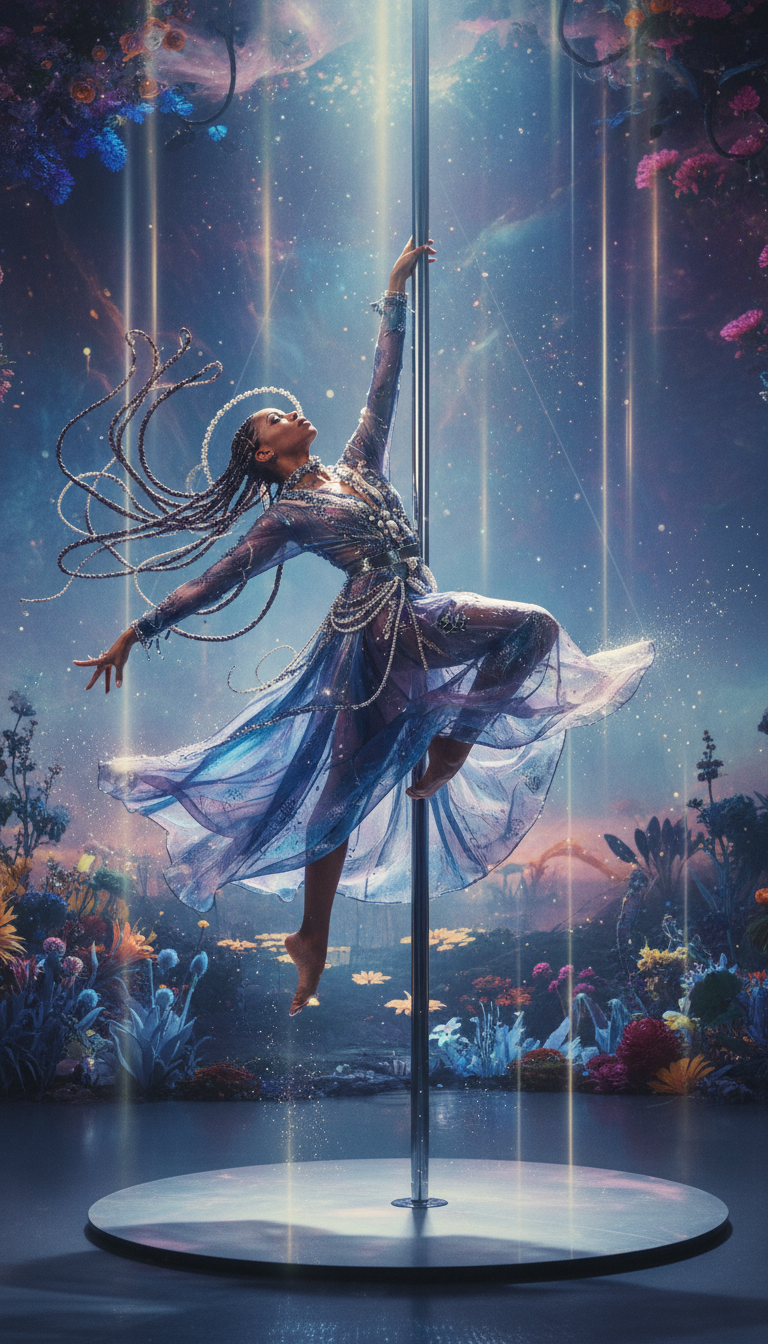
Andrew Thomas Huang directed FKA Twigs through a descent into emotional hell. “Cellophane” opens with Twigs walking onto a strip club stage while hostile faces watch. What follows is four minutes of the most vulnerable artistic expression the decade produced.
The track itself aches with heartbreak. Twigs’ voice cracks as she sings about feeling inadequate and exposed. Huang translates that emotional rawness into visual metaphor that hits like physical pain.
Twigs pole dances with technical perfection she spent months training to achieve. The choreography is stunning, but the crowd jeers and boos. Their rejection mirrors the song’s themes about public scrutiny and private collapse.
Then the clip shifts into surrealism. Twigs descends through the stage floor into an underground realm. Hands grab at her. She’s pulled deeper into darkness. The imagery suggests falling through layers of self, past performance into raw being.
Andrew Thomas Huang had worked with Björk, but this music video showcases his most sophisticated direction. The way he blends dance, visual effects, and emotional honesty creates something that transcends the music video format entirely.
FKA Twigs had already established herself as pop culture’s most daring visual artist. Earlier work featured choreography that defied physics. But “Cellophane” strips away the avant-garde armor to reveal pure vulnerability.
The video earned Grammy nominations and universal critical praise. More importantly, it demonstrated how the music video format could explore psychological depth rivaling any art form. Twigs transformed personal pain into visual poetry that resonated across all audiences.
4. Beyoncé – “Formation” (2016)
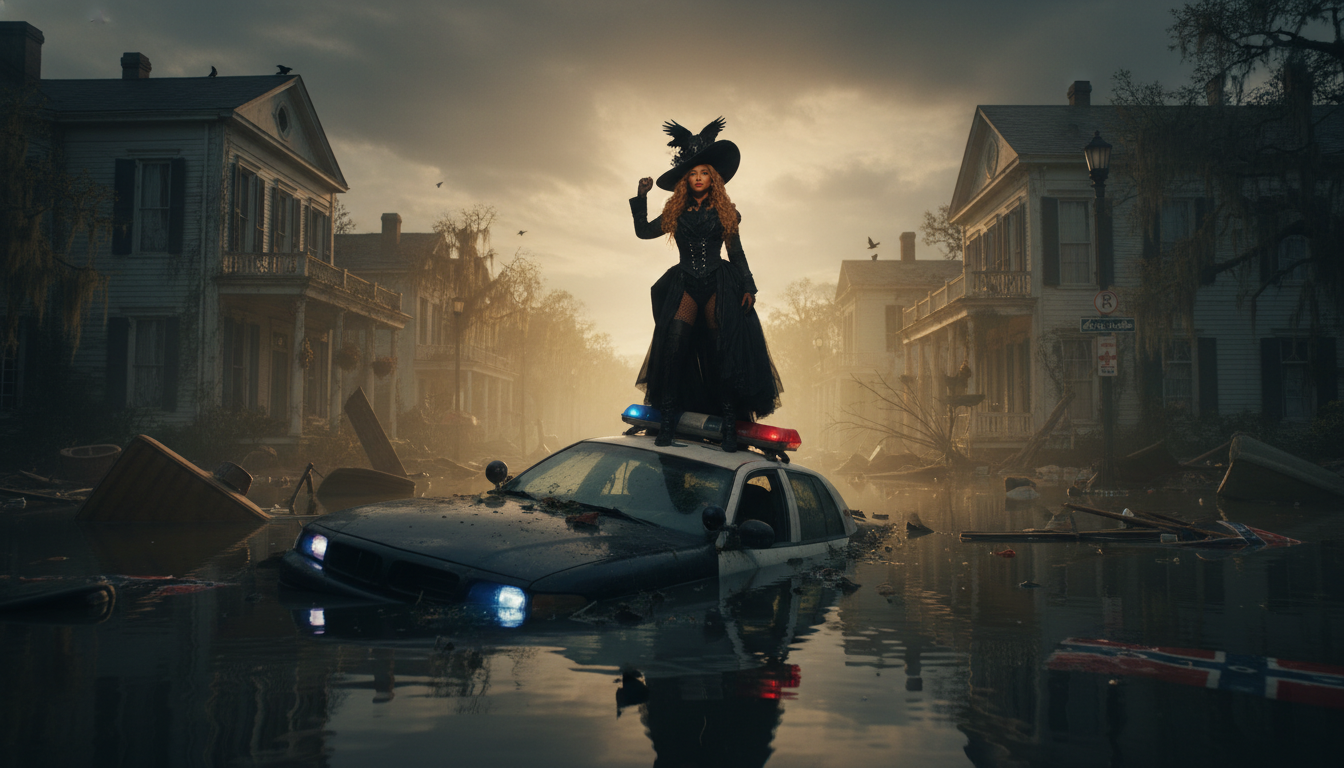
Beyoncé and director Melina Matsoukas dropped “Formation” without warning the day before the Super Bowl. The music video immediately ignited conversations about race, feminism, and Southern black identity that continued throughout 2016.
The clip opens with Beyoncé atop a sinking New Orleans police car surrounded by floodwater. That image references Hurricane Katrina while making a statement about police brutality. It’s confrontational from frame one.
Matsoukas fills the video with Southern black culture. We see church hats, second line parades, and antebellum plantation imagery reclaimed with pride. Beyoncé celebrates cornbread, hot sauce, and Negro features in lyrics that reject respectability politics.
The choreography channels New Orleans bounce music. Dancers in formation move with military precision. The video’s aesthetic blends high fashion with vernacular culture in ways that assert black excellence without apologizing or explaining.
One scene shows a young black boy dancing in front of riot police before the video cuts to graffiti reading “Stop Shooting Us.” These moments of political commentary feel organic rather than preachy because Matsoukas grounds everything in cultural celebration.
Beyoncé had always been politically conscious, but “Formation” marked her most explicit statement. The track became an anthem. The music video gave visual form to black Southern pride that mainstream pop culture had long ignored or caricatured.
Melina Matsoukas crafted imagery so rich that critics are still unpacking it years later. Every costume, location, and gesture carries meaning. The video operates simultaneously as party anthem, political statement, and cultural archive.
The way “Formation” merged activism with entertainment proved that pop culture’s biggest stars could take creative risks. Beyoncé’s Super Bowl performance the next day doubled down on the message. The music video laid groundwork for her most important artistic statement.
5. Lana Del Rey – “Video Games” (2011)
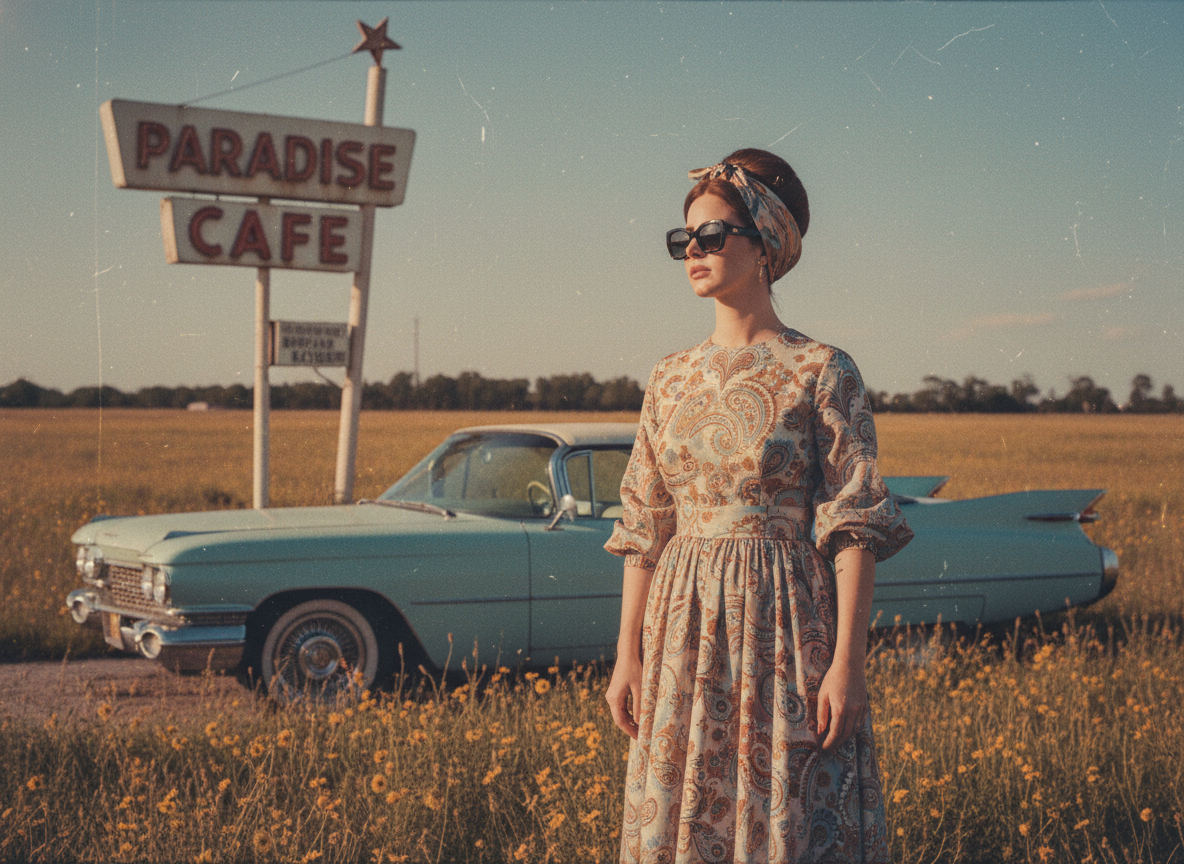
Lana Del Rey created “Video Games” in her bedroom, and its lo-fi aesthetic defined her entire career. The song and video appeared online in 2011 before any record deal existed. Within months, Lana became the most discussed new artist in pop culture.
The track samples strings from a orchestral pop song and layers Lana’s voice singing about doomed romance. Her vocals drift between registers with a melancholic yearning that felt completely fresh. The music video matches that sadness through home movie imagery.
Lana Del Rey compiled footage of herself lip-syncing intercut with vintage Americana clips. We see skateboarders, fireworks, and Paz de la Huerta from HBO’s Boardwalk Empire. Everything looks sun-faded and nostalgic for a past that maybe never existed.
The DIY quality became the video’s strength. Major label videos couldn’t replicate this intimacy. Lana created a visual world that matched her music’s emotional core. The clip feels like discovering someone’s private archive of beautiful sadness.
Critics initially dismissed Lana Del Rey as inauthentic or manufactured. But “Video Games” proved her artistic vision was fully formed before industry involvement. The music video format allowed her to present a complete aesthetic statement that record executives couldn’t polish away.
This video’s influence rippled through the decade. Countless artists adopted similar vintage filters and melancholic vibes. Lana Del Rey had tapped into millennial nostalgia for a pre-digital era that most viewers barely remembered.
The way she merged high and low culture—orchestral arrangements with video game references, old Hollywood glamour with YouTube aesthetics—created something entirely new. “Video Games” proved that music videos didn’t need massive budgets to make cultural impact.
6. Kanye West – “Runaway” (2010)
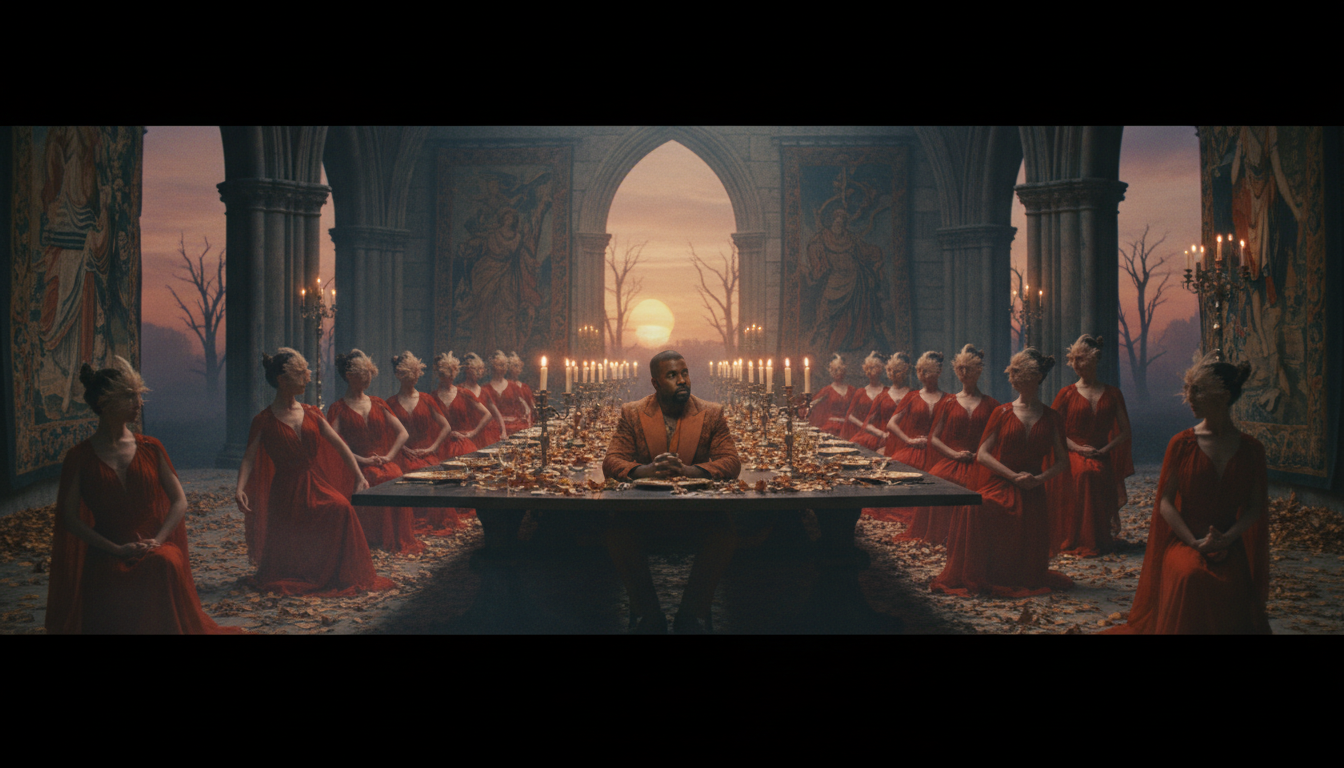
Kanye West spent months creating a 34-minute short film around songs from My Beautiful Dark Twisted Fantasy. “Runaway” became the centerpiece—both the film’s title and its most powerful music video segment.
The track itself is Kanye’s most vulnerable moment. He admits his flaws over a simple piano loop before the song explodes into orchestral chaos. The music video matches that emotional arc through imagery that borders on avant-garde cinema.
Director Hype Williams collaborated with Kanye to create tableaux that reference high fashion, classical painting, and surrealist film. Ballerinas in scarlet dresses perform around a long table. Fireworks explode overhead. A phoenix woman arrives in a meteor.
Every frame looks expensive and intentional. The cinematography uses symmetry and color in ways that elevate the music video format toward fine art. Kanye had always pushed visual boundaries, but this represented his most ambitious artistic statement.
The way Kanye West integrated the song into a larger narrative showed his maximalist approach. Most artists would release “Runaway” as a standalone video. Kanye made it part of a multimedia art project that premiered on television.
Critics praised the film’s visual ambition while debating its pretensions. But that controversy was the point. Kanye wanted people to take music videos seriously as art. “Runaway” forced that conversation through sheer audacity.
The video influenced countless artists throughout the decade. Its blend of high fashion, contemporary art, and hip-hop swagger became a template. Kanye proved that the music video format could accommodate auteur vision on par with cinema.
7. Danny Brown – “Ain’t It Funny” (2016)
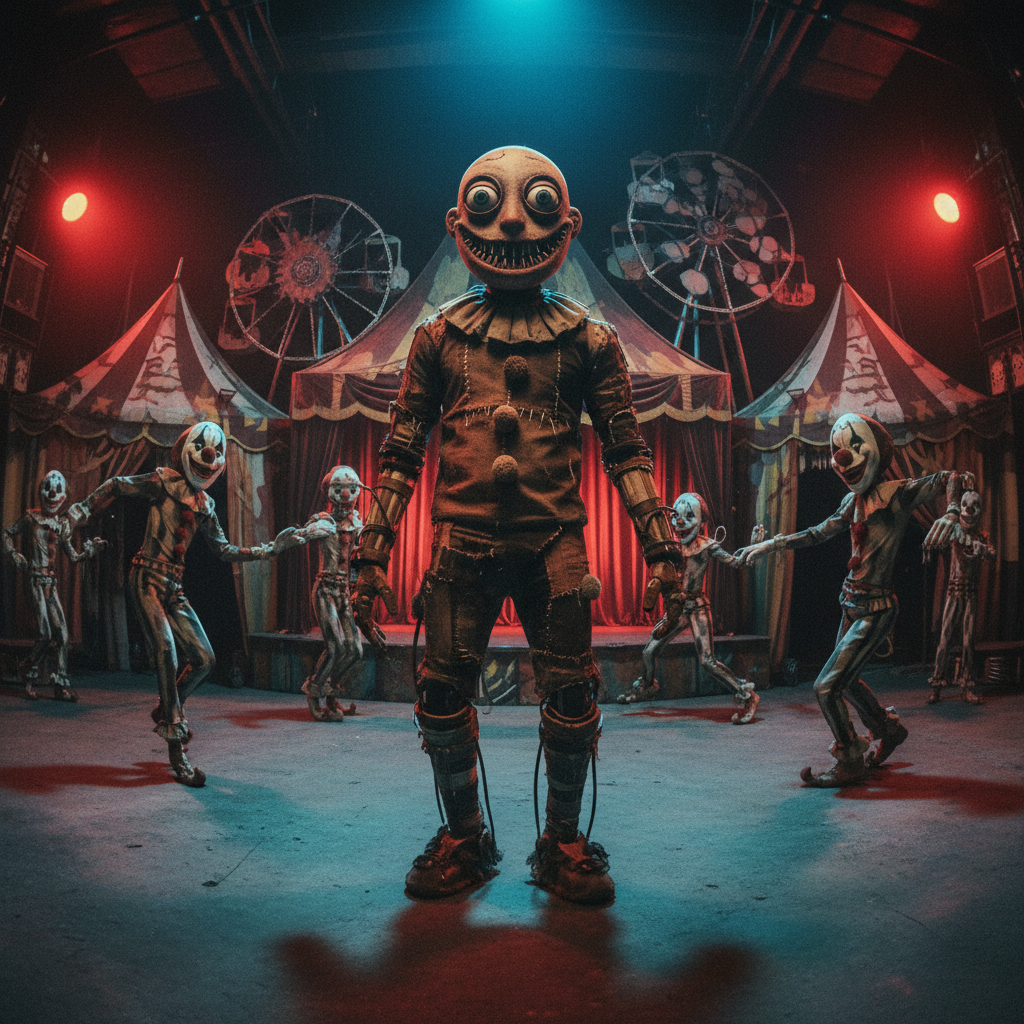
Jonah Hill directed Danny Brown through the decade’s most disturbing music video. “Ain’t It Funny” uses dark comedy and surreal imagery to explore addiction, and the result is four minutes that feel like a bad trip you can’t escape.
The track comes from Danny Brown’s album Atrocity Exhibition. His voice shifts between manic energy and paranoid whispers over a dissonant beat. The song is about hitting rock bottom while pretending everything’s hilarious. The video captures that contradiction perfectly.
Hill places Danny in increasingly absurd and horrifying scenarios. He performs on a children’s show where everything looks wrong. He drinks from a toilet in a grimy bathroom. Puppet versions of Danny appear and multiply. The imagery gets progressively more nightmarish.
What makes the clip brilliant is how it refuses to glamorize or moralize. Hill presents addiction’s horror through absurdist lens that matches Danny Brown’s actual experiences. The video feels honest in ways that traditional drug narratives can’t achieve.
Jonah Hill had transitioned from comedy into serious filmmaking, but “Ain’t It Funny” showed his real talents. The music video format let him experiment with tone and imagery that wouldn’t work in feature films. It’s simultaneously funny and deeply sad.
Danny Brown took a major risk trusting Hill with this vision. The rapper’s music had always been unconventional, but this video pushed further into experimental territory than most hip-hop artists dared. The result earned universal critical acclaim.
The way the video refuses easy interpretation makes it fascinating. Different viewers see different meanings. That ambiguity respects audience intelligence while delivering imagery powerful enough to haunt you. Few music videos from the decade attempted anything this artistically challenging.
8. Tierra Whack – “Whack World” (2018)
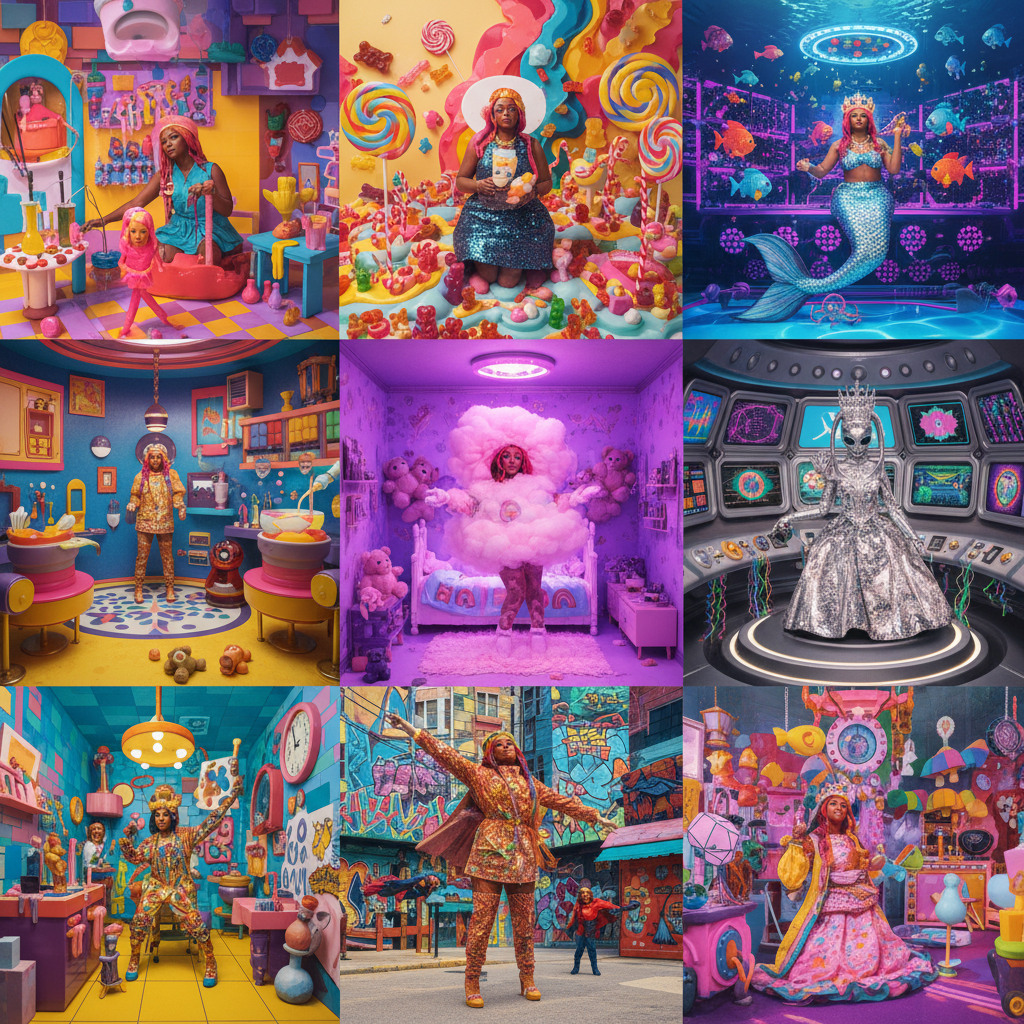
Tierra Whack revolutionized the music video format with “Whack World.” She created a 15-minute visual album containing 15 one-minute songs, each with its own complete music video. The project arrived fully formed and completely unlike anything else.
Every video showcases different production design, costume, and concept. Whack raps in a dental chair, inside a dollhouse, and on elaborate sets that look like art installations. The creativity packed into each minute is staggering.
Directors Whack and Thibaut Duverneix clearly had limited budget but unlimited imagination. They made constraints fuel innovation. Each miniature world feels complete despite lasting only 60 seconds. The rapid shifts keep audiences engaged through constant surprise.
The track “Hungry Hippo” features Whack eating in a pink room. “Pet Cemetery” shows her mourning alongside stuffed animals. “Silly Sam” presents a relationship narrative. These compressed stories prove that music videos don’t need length to deliver emotional impact.
Tierra Whack had appeared on few radars before “Whack World” dropped. The project immediately established her as one of hip-hop’s most creative voices. Critics praised its ambition. Fans analyzed each segment’s meanings and references.
The way Whack rejected traditional song structure influenced other artists. The one-minute format challenged assumptions about what music could be. Each clip in “Whack World” works as individual art piece while contributing to a coherent whole.
This visual album proved that innovation in the music video format still existed. Major artists with massive budgets created impressive spectacles, but Whack delivered something genuinely new. Her creativity and constraints combined into the decade’s most inventive music video project.
9. Solange – “Cranes in the Sky” (2016)
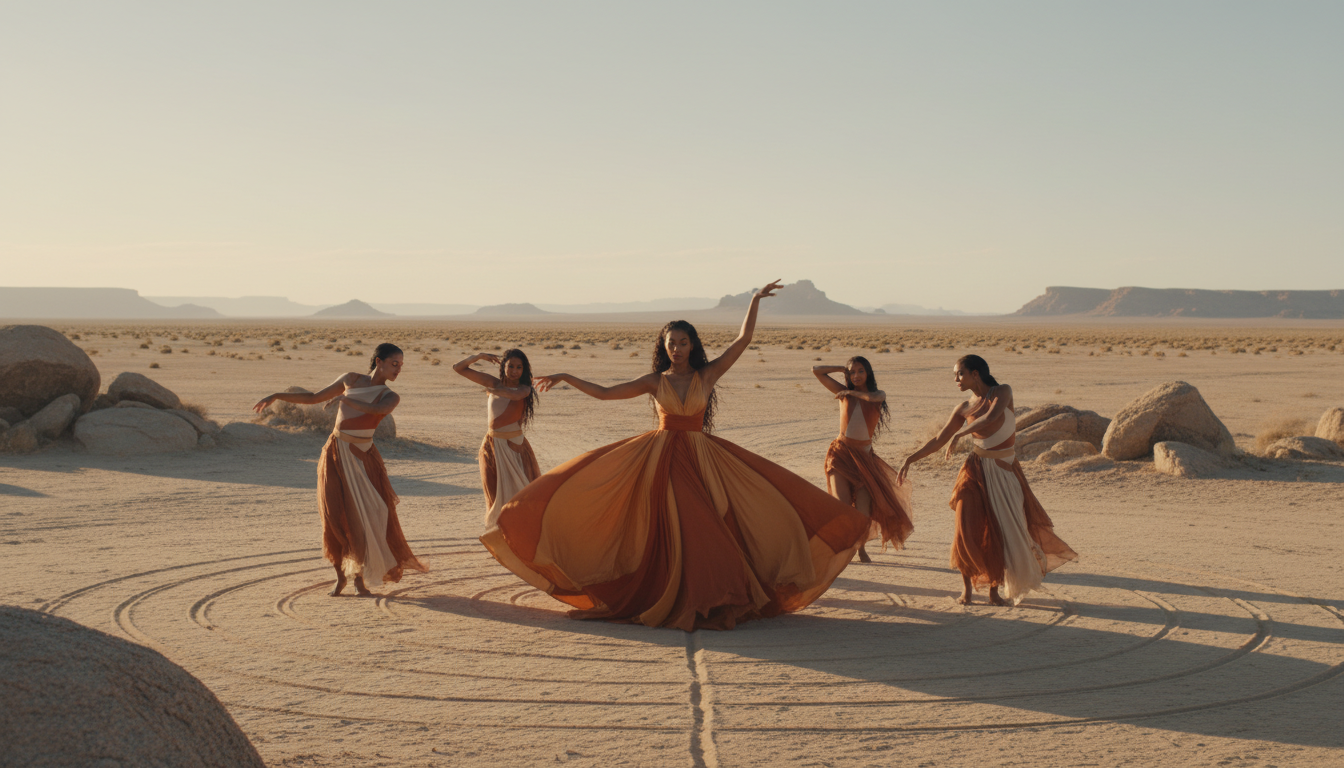
Solange and directors Solange Knowles and Alan Ferguson created visual meditation on black womanhood and healing. “Cranes in the Sky” features choreography and cinematography that transform the music video format into something closer to modern dance film.
The track itself deals with depression and unhealthy coping mechanisms. Solange’s voice floats over minimal production while she catalogs everything she tried to escape pain. The music video translates that internal struggle into movement and space.
Ferguson and Solange shot across multiple locations. We see Solange and dancers in the desert, in brutalist architecture, and in lush landscapes. Each environment creates different emotional resonance. The choreography responds to these spaces with geometric precision.
What makes the video special is its patience. Shots hold longer than typical music videos allow. The camera observes rather than frantically cuts. This creates contemplative mood that matches the song’s themes about sitting with difficult emotions.
Solange had spent years developing her visual language through previous work. But “Cranes in the Sky” represented her most refined artistic statement. The way she integrated fashion, dance, and landscape into cohesive whole showed complete mastery.
Alan Ferguson, her husband at the time, brought cinematography background that elevated the production. Together they created something that museums could display alongside video art. The music video format became vehicle for exploring black aesthetics and healing.
Critics praised the video’s beauty and emotional depth. It won Grammy for Best Music Video. More importantly, it demonstrated how the format could prioritize feeling over narrative, creating space for audiences to bring their own interpretations to abstract imagery.
10. David Bowie – “Lazarus” (2015)

David Bowie created his final artistic statement knowing he was dying. “Lazarus” arrived two days before his death as part of the album Blackstar. The music video became his goodbye, and its power still resonates years later.
Director Johan Renck filmed Bowie in a hospital bed with bandaged eyes. He writhes and levitates. He retreats into a wardrobe. The imagery suggests someone navigating between life and death, and that’s exactly what was happening.
The track itself comes from Bowie’s musical of the same name. The lyrics reference resurrection and transformation. When viewed as his final message, every line carries devastating weight. The music video amplifies that emotional impact through Bowie’s frail but committed performance.
Renck had worked with Bowie on previous videos, but “Lazarus” required different approach. They created something intimate and symbolic. The hospital room suggests mortality. The frantic writing in notebooks shows an artist working until the end.
David Bowie had revolutionized music videos in the 1980s through MTV. Thirty-five years later, he proved the format could still deliver profound artistic statements. This wasn’t entertainment. It was a meditation on death from someone staring directly at it.
The video gained additional meaning after Bowie’s death was announced. Fans returned to analyze every gesture and symbol. The way he retreated into that dark wardrobe suggested the final journey. His smile in the last frames became heartbreaking.
Few artists have used the music video format to say goodbye this powerfully. Bowie transformed his mortality into art that honors his entire legacy. “Lazarus” stands as reminder that music videos can carry the same emotional depth as any artistic medium when created with intention and courage.
Honorable Mentions: Videos That Almost Made The List
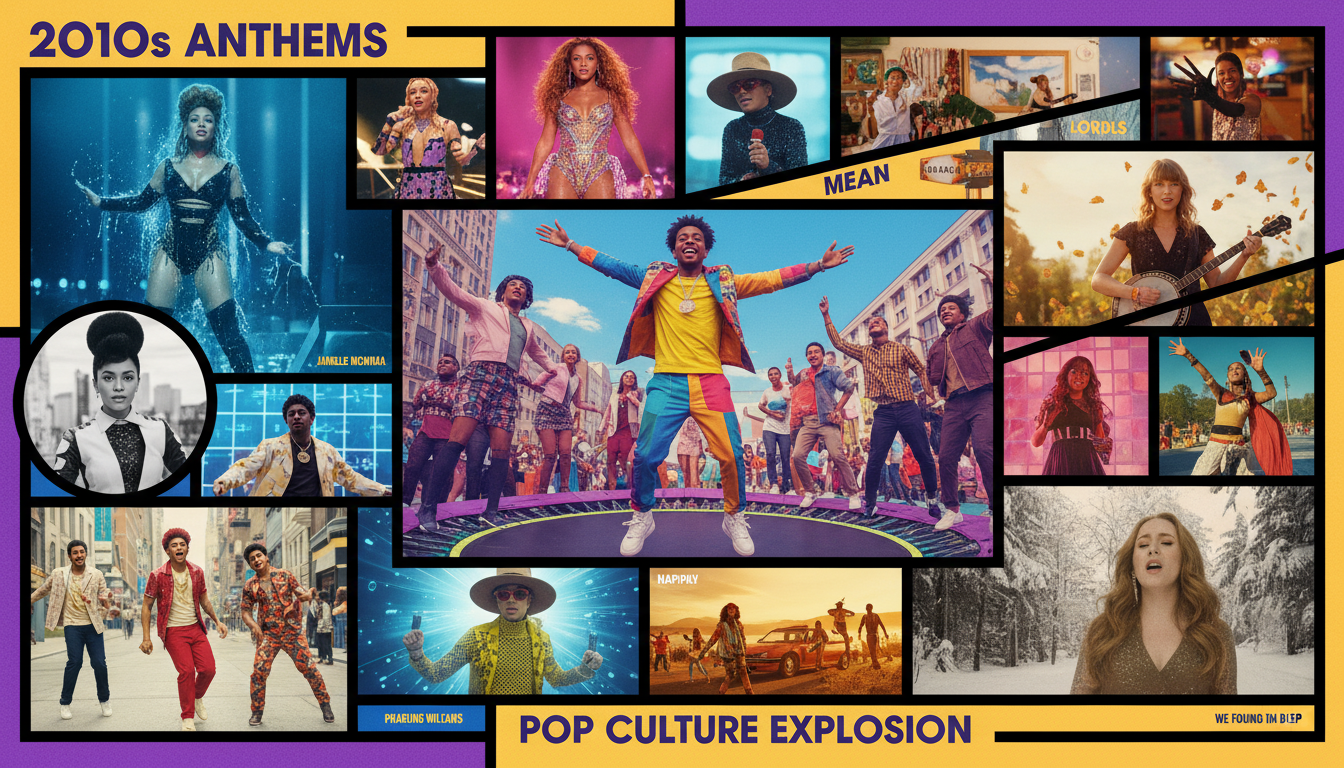
The 2010s produced so many incredible music videos that narrowing to ten required painful cuts. These clips deserve recognition for pushing the format forward and creating memorable visual moments.
Chance the Rapper – “Sunday Candy” (2015)
Austin Vesely directed Chance the Rapper through a one-take video following a parade through Chicago’s South Side. The clip celebrates community, family, and faith with infectious joy. Chance’s grandmother appears, and the way the video captures genuine affection makes it special.
The choreography involves entire neighborhoods dancing together. Kids on bikes weave through the frame. The camera follows Chance as he greets people and spreads positivity. This music video feels like documentary of a real celebration rather than staged performance.
Janelle Monáe – “PYNK” (2018)
Emma Westenberg and Janelle Monáe created a celebration of female sexuality and queer identity. Shot in bright pink desert landscapes, “PYNK” features the infamous vagina pants costume that sparked countless conversations. The video balances playfulness with powerful statements about body autonomy.
Janelle Monáe had always been visually innovative, but “PYNK” felt like her most personal work. The way she centered women and queer people in every frame made it politically important while remaining joyful. Tessa Thompson appears alongside Janelle, and their chemistry adds romantic undertones.
A$AP Rocky – “L$D” (2015)
Dexter Navy directed A$AP Rocky through a psychedelic journey that references classic cinema and drug culture. The video morphs through different visual styles and time periods. Rocky and his romantic interest transform from grayscale to color, from vintage film grain to modern clarity.
The way “L$D” plays with film history shows Rocky’s sophistication. He wasn’t just making a trippy video. He was commenting on cinema’s evolution while exploring altered consciousness through the music video format. The track’s dreamy production matched the flowing visuals perfectly.
Rihanna – “Bitch Better Have My Money” (2015)
Rihanna and director Megaforce created a revenge thriller that pushed boundaries. The video features kidnapping, torture, and violence that provoked debates about artistic expression. Rihanna plays a woman seeking payment through increasingly extreme methods.
The clip’s controversial content overshadowed its technical accomplishments. The cinematography, editing, and Rihanna’s committed performance make it compelling despite the shocking imagery. It demonstrated how music videos could tackle dark subject matter typically reserved for film.
Arcade Fire – “We Exist” (2014)
David Wilson directed a video starring Andrew Garfield as a transgender woman facing discrimination. The clip follows her experience at a bar and dance club where people react with hostility. Eventually she finds acceptance on stage with Arcade Fire themselves.
The video sparked controversy about casting cisgender actors in trans roles. But its message about acceptance and the courage to live authentically resonated. Garfield’s performance combined with Wilson’s direction created an emotional narrative that expanded what music videos could address.
Tyler, the Creator – “Yonkers” (2011)
Tyler shocked audiences with this low-budget video that made huge impact. Shot in stark black and white, “Yonkers” features Tyler rapping directly to camera while eating a cockroach. The minimalist approach let his aggressive lyrics and unique voice command total attention.
This video launched Tyler’s career and Odd Future’s rise. Its DIY aesthetic proved you didn’t need production budgets to create memorable work. The cockroach moment became infamous. Tyler’s intense eye contact made viewers feel confronted. The clip’s rawness felt revolutionary against overproduced competition.
Sia – “Chandelier” (2014)
Sia and directors Daniel Askill and Tonya Kay created a showcase for dancer Maddie Ziegler. The young performer moves through a filthy apartment with desperate energy. Her contemporary dance style combined with the emotional track about addiction created something haunting.
Ziegler’s performance launched her into stardom. The way Sia presented dance without showing her own face became her signature move. “Chandelier” proved that music videos didn’t need the artist on screen to be effective. The choreography carried all necessary emotion.
Robyn – “Call Your Girlfriend” (2011)
Robyn dances alone in an empty warehouse for the entire video. Director Max Vitali created something deceptively simple that showcased Robyn’s genuine dance skills. The track is about asking a lover to break up with their current partner, and Robyn’s movement expresses that emotional complexity.
The single-take performance video became hugely influential. Robyn’s awkward but committed dancing felt authentic in an era of hyper-choreographed pop. The clip proved that simplicity and genuine emotion could compete with elaborate productions.
The Visionary Directors Behind The Camera
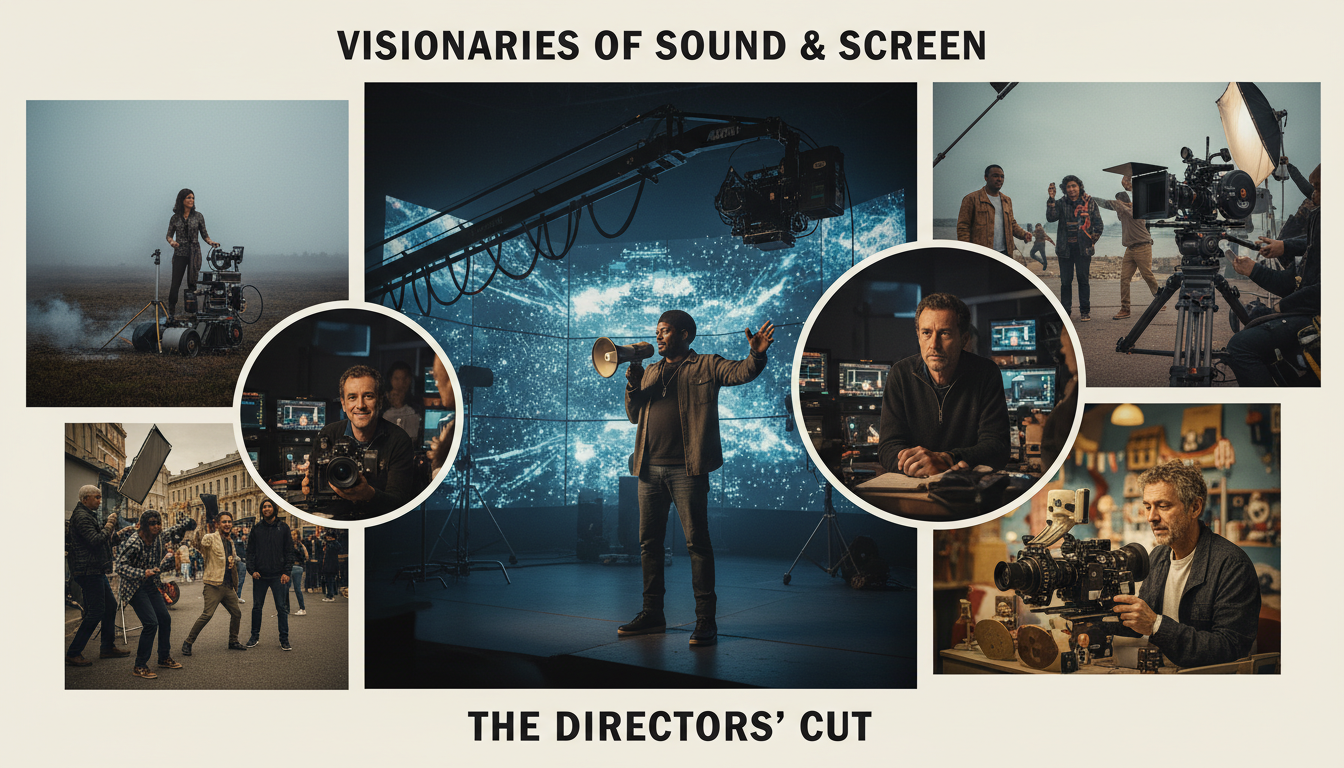
Great music videos require partnerships between artists and directors. The 2010s produced several filmmakers who elevated the format through consistent innovation and artistic vision. These directors treated music videos as legitimate art form worthy of their full talents.
Hiro Murai: The Auteur of Unease
Hiro Murai defined the decade’s aesthetic through work with Childish Gambino, Earl Sweatshirt, and others. His signature style blends long takes, uncomfortable tension, and surreal elements that burrow into your consciousness.
Before “This Is America,” Murai directed “Sober” for Childish Gambino, a continuous shot following a house party that descends into nightmare. His work on the FX series Atlanta showed his range. Murai understood how to make audiences uncomfortable in productive ways.
His cinematography prioritizes composition and movement over rapid cuts. Scenes unfold with deliberate pacing that builds dread. Murai came from a commercial background but brought cinematic sensibility to every music video project. His influence spread throughout the industry as other directors studied his techniques.
Colin Tilley: The Mainstream Innovator
Colin Tilley directed more hit videos than perhaps any other filmmaker this decade. His work with Kendrick Lamar on “Alright” and “DNA” demonstrated artistic ambition. But he also crafted viral moments for artists like DJ Khaled, Nicki Minaj, and Chris Brown.
Tilley understood how to balance commercial appeal with visual innovation. His videos often feature elaborate production design and choreography executed at the highest level. He could shift between intimate storytelling and massive spectacle depending on the track’s needs.
The way Tilley maintained quality across such high output impressed peers. He brought professionalism and creative vision to every project. His success proved that music video directors could build sustainable careers in an era when many predicted the format’s death.
Melina Matsoukas: The Cultural Commentator
Melina Matsoukas brought political consciousness to major pop videos. Her work with Beyoncé on “Formation” became a cultural landmark. But she’d been developing that voice through videos for Rihanna, Solange, and others throughout the decade.
Matsoukas understands how to embed social commentary in entertaining packages. She doesn’t lecture audiences. Instead, she creates imagery rich enough that viewers discover meanings through repeated viewings. Her videos reward analysis while remaining accessible.
Her transition into directing the film Queen & Slim showed her feature filmmaking potential. But music videos remained her laboratory for visual experimentation. Matsoukas proved that the format could address serious subjects without sacrificing style or entertainment value.
Dave Meyers: The Veteran Reinvented
Dave Meyers directed music videos since the 1990s, but he reinvented his approach for the 2010s. His work with Kendrick Lamar on “HUMBLE” showed he could still shock audiences. He paired elaborate production with raw energy in ways that felt fresh despite decades of experience.
Meyers understood the music video format better than almost anyone. He’d seen every trend and technique. That experience let him deconstruct conventions and rebuild them in surprising ways. His videos with Travis Scott, Ariana Grande, and others demonstrated versatility across genres.
The way Meyers adapted to changing platforms impressed younger directors. He embraced social media distribution while maintaining cinematic quality. His longevity proved that talent and work ethic could sustain careers through industry transformations.
How These Videos Changed Pop Culture
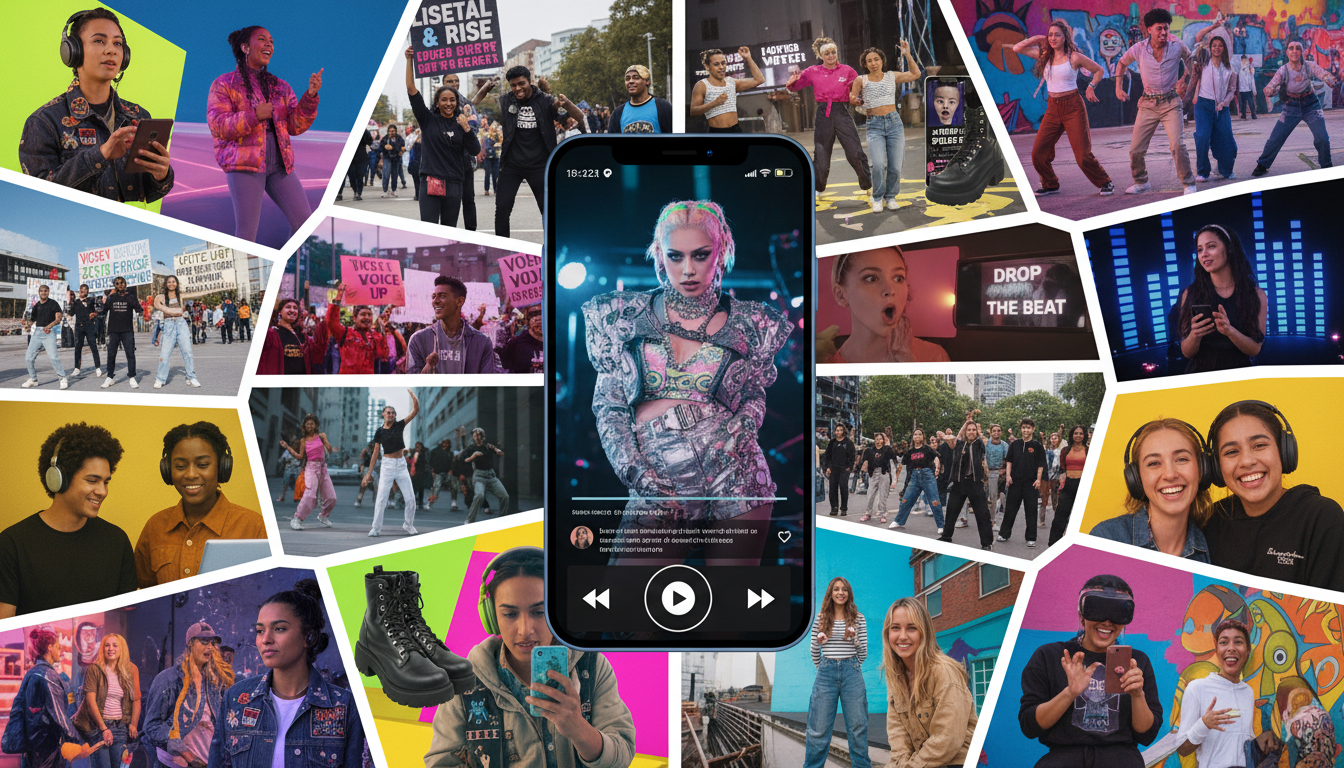
The best music videos don’t just accompany songs. They spark movements, influence fashion, and change how we think about art and culture. The 2010s proved the format’s continued relevance by generating conversations that extended far beyond entertainment.
Music Videos as Social Commentary
Artists used the music video format to address racism, inequality, and social justice throughout the decade. “This Is America” became the most obvious example, but the pattern started earlier. Kendrick Lamar’s “Alright” gave protesters an anthem and imagery.
Beyoncé’s “Formation” sparked national debate about black identity and Southern culture. The video’s timing—released during Black Lives Matter protests—made it politically charged whether Beyoncé intended that or not. Artists recognized they could reach audiences through visual statements in ways that interviews or social media posts couldn’t achieve.
This shift transformed expectations. Fans began demanding that artists use their platforms for more than entertainment. Music videos became vehicles for cultural education and political awakening. Directors partnered with artists to craft messages that would resonate beyond the track itself.
Fashion and Visual Aesthetics
Music videos continued their historical role as fashion trendsetters. Lana Del Rey’s vintage Americana aesthetic influenced entire design movements. Her flower crowns and retro dresses became ubiquitous at music festivals worldwide.
FKA Twigs pushed avant-garde fashion into mainstream consciousness through videos that showcased designers like J.W. Anderson. Her willingness to wear challenging pieces made fashion risk-taking seem aspirational. Other artists took note and became bolder in their styling choices.
Beyoncé’s “Formation” brought Southern black fashion traditions to global audiences. The video celebrated church hats, elaborate hairstyles, and bold patterns that mainstream fashion had often overlooked. Designers responded by incorporating these elements into collections.
Dance and Choreography
The 2010s saw music videos prioritize choreography in ways that recalled earlier decades. Solange’s videos featured contemporary dance that introduced ballet techniques to hip-hop audiences. Her collaboration with choreographers elevated movement to equal importance as music.
Chance the Rapper’s “Sunday Candy” sparked line dance trends. Young people learned the video’s choreography and performed it at events. This participatory element showed how music videos could inspire physical engagement beyond passive viewing.
FKA Twigs trained extensively for “Cellophane,” and that dedication showed. Her pole dancing performance introduced athletic artistry to audiences who’d only seen the activity in strip club contexts. The video challenged assumptions about what bodies could do and where high art could happen.
YouTube and Democratic Distribution
YouTube fundamentally changed how music videos reached audiences. Artists no longer needed MTV rotation to find viewers. Tierra Whack could release “Whack World” directly to fans without label interference. The platform democratized distribution in ways that enabled more experimental work.
View counts became new measures of success. Videos competed to hit billion-view milestones. “Despacito” and “See You Again” achieved numbers that seemed impossible in earlier eras. This shift made music videos valuable as evergreen content rather than promotional tools with short lifespans.
The comment sections and social media discourse around videos extended their cultural impact. Fans analyzed symbolism, created reaction videos, and built communities around shared appreciation. Music videos became conversation starters rather than one-way broadcasts.
Technical Innovations That Defined The Decade
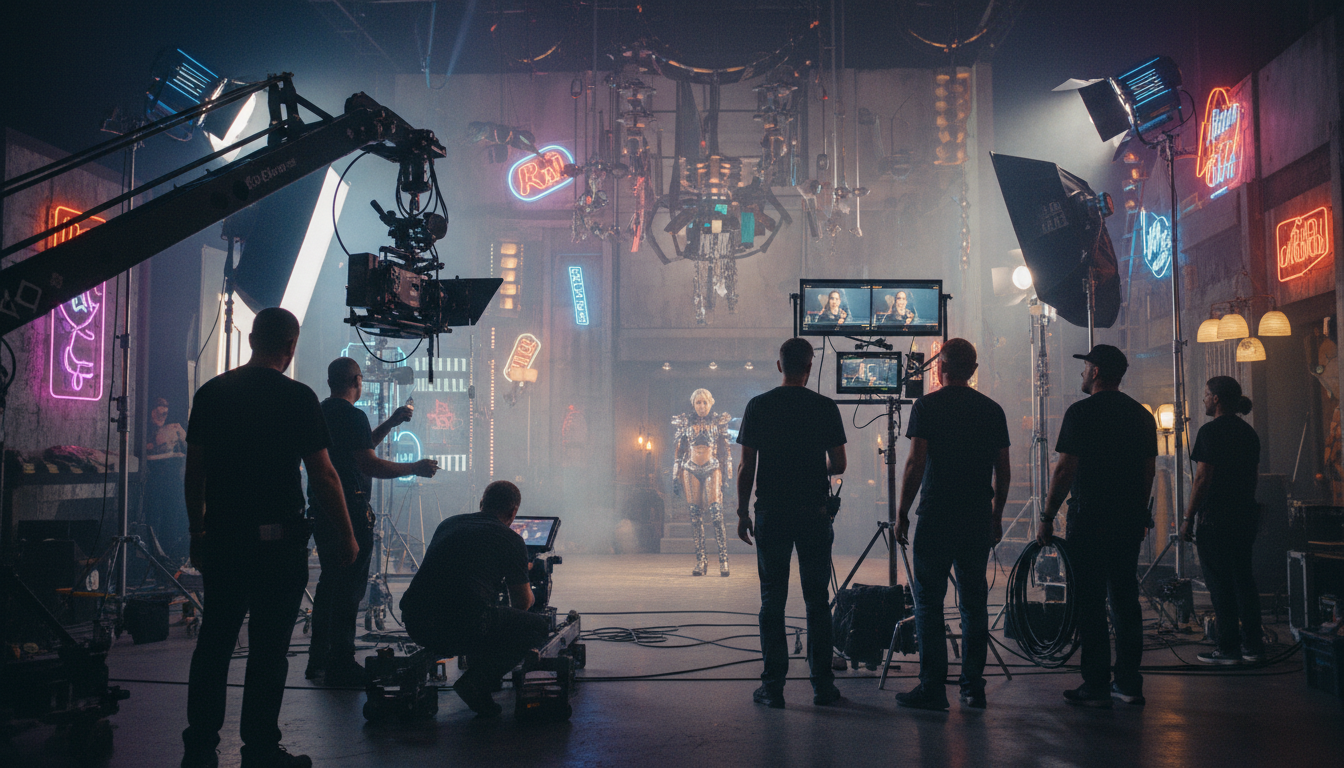
The 2010s brought technological advances that transformed what directors could achieve. Digital cameras, drones, and visual effects software became more accessible and powerful. These tools enabled innovations that defined the decade’s visual language.
The Long Take Renaissance
Continuous shots became a signature technique for ambitious directors. “This Is America” used the illusion of a single take to trap viewers in Childish Gambino’s nightmare. The technique forced audiences to confront uncomfortable imagery without relief of cuts.
Improved stabilization technology made these shots practical. Directors could choreograph complex movement without visible camera shake. The Steadicam and gimbal shots that punctuated music videos throughout the decade required precise planning and rehearsal.
Long takes demonstrated technical mastery while creating immersion. Viewers felt like participants rather than observers. This technique worked especially well for dance-focused videos where cutting would disrupt the physical performance’s flow.
Drone Cinematography
Affordable drones opened new possibilities for sweeping aerial shots. Videos could now include perspectives previously requiring helicopter rentals. This democratization let smaller productions achieve cinematic scope.
Directors used drones creatively beyond simple establishing shots. Some videos featured continuous motion from ground level to aerial view, revealing scale and context. The technology became another tool for visual storytelling rather than just spectacle.
Visual Effects Integration
CGI and compositing software advanced dramatically. Effects that would have cost hundreds of thousands in the 2000s became achievable on modest budgets. Directors integrated digital effects more seamlessly, blurring lines between practical and computer-generated imagery.
FKA Twigs’ videos showcased this evolution. Her descent through the floor in “Cellophane” combined practical performance with digital extension. The effect enhanced rather than replaced her physical acting, demonstrating mature use of technology.
Some videos pushed into full CGI environments. Anime-influenced aesthetics and digital worlds became more common as artists explored possibilities beyond physical reality. These experiments expanded the music video format’s boundaries while maintaining emotional resonance.
Color Grading and Digital Post-Production
Digital color correction tools allowed precise control over final looks. Music videos developed distinctive color palettes that became part of artists’ visual identities. Lana Del Rey’s muted vintage tones, Kendrick Lamar’s stark black-and-white, and Beyoncé’s saturated Southern hues all reflected intentional choices.
The ability to adjust color in post-production meant directors could shoot in challenging lighting and fix issues later. This flexibility encouraged location shooting and practical effects over controlled studio environments. Videos gained texture and authenticity that polished productions lacked.
YouTube’s Role in the Music Video Evolution
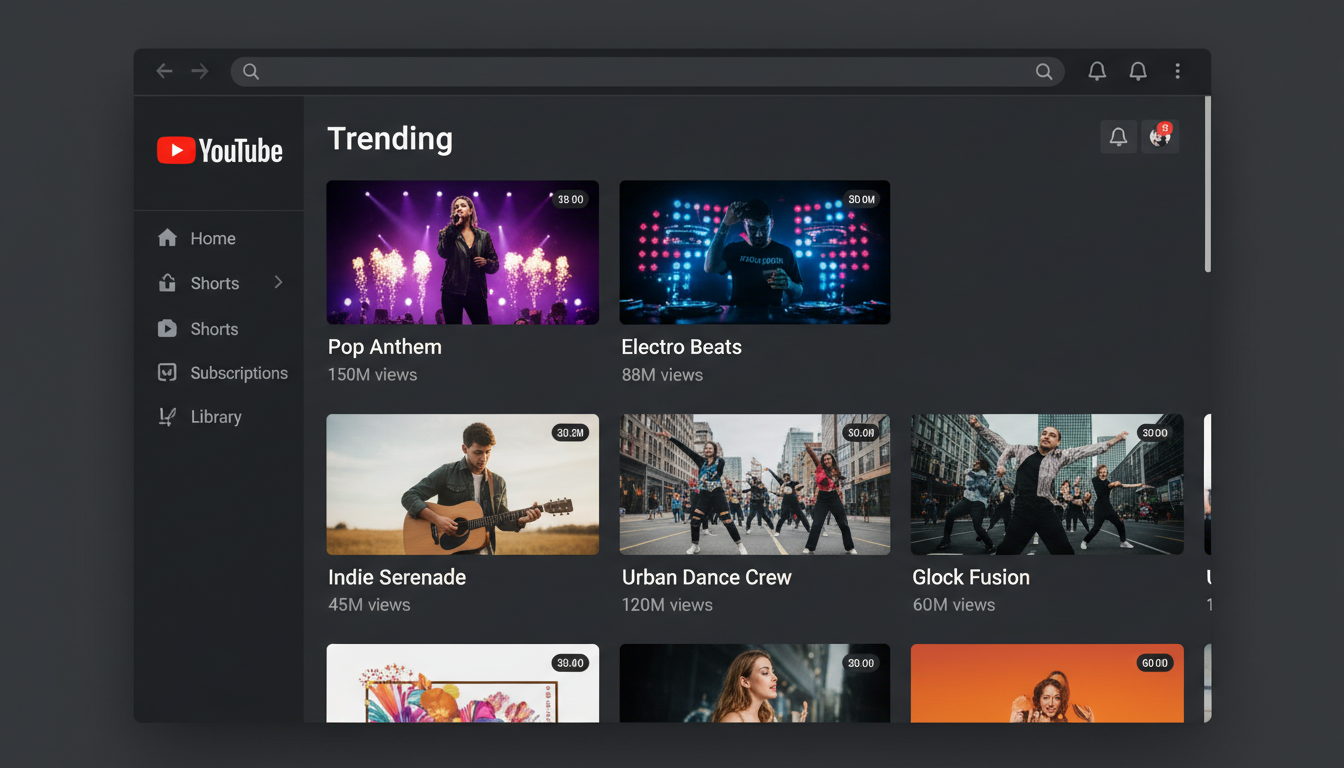
YouTube transformed from video hosting site into the primary distribution platform for music videos during the 2010s. This shift changed everything about how videos were created, marketed, and consumed. The platform’s influence on pop culture became impossible to overstate.
The Death of MTV’s Gatekeeping
MTV had controlled music video distribution for decades. Artists needed channel approval to reach mass audiences. YouTube demolished that gatekeeping entirely. Anyone with a camera could upload content and potentially find millions of viewers.
This democratization enabled artists like Lana Del Rey to build careers before signing record deals. “Video Games” went viral without industry support. Labels started scouting YouTube rather than radio stations for new talent. The power dynamic shifted toward creators.
Established artists benefited too. They could release videos on their own schedules without negotiating TV programming slots. Multiple videos per album became standard. Artists experimented more freely because YouTube’s infinite shelf space meant every video could find its audience eventually.
The Billion-View Era
View counts created new metrics for success. The first video to hit one billion views—”Gangnam Style”—arrived in 2012. By decade’s end, dozens of videos had crossed that threshold. These numbers dwarfed anything MTV-era videos achieved.
Artists and labels obsessed over view counts as validation. Chart success mattered, but viral videos reached global audiences instantly. A song could flop commercially but succeed as visual content. This split sometimes created tension between traditional industry metrics and actual cultural impact.
The pursuit of views influenced creative decisions. Some videos incorporated elements designed for social media sharing—memorable choreography, shocking moments, or meme-worthy content. Directors balanced artistic ambition with practical understanding of what algorithms and audiences rewarded.
Global Reach and Cultural Exchange
YouTube made music videos instantly global. Korean pop exploded internationally through the platform. BTS built worldwide fandom before ever touring America. Latin artists like Bad Bunny reached audiences far beyond Spanish-speaking markets.
This globalization enriched the format. Directors borrowed techniques across cultures. African music videos influenced American hip-hop aesthetics. Japanese anime-inspired countless Western artists. The cross-pollination accelerated throughout the decade as borders became meaningless online.
Subtitles and translation features helped, but music videos communicated across language barriers through visual storytelling. A well-crafted video could convey emotion and narrative without dialogue. This universal language made the format more important than ever for international artists.
Algorithm and Recommendation Culture
YouTube’s recommendation algorithm shaped viewing habits. Videos with high engagement got promoted to new audiences. This created incentive for longer watch times and strong opening hooks to prevent viewers from clicking away.
Directors adapted to this reality. The first ten seconds became crucial. Videos needed immediate visual interest to capture attention. Some incorporated countdowns or pre-roll teasers. The platform’s technical requirements influenced artistic decisions in ways both subtle and obvious.
Playlists and autoplay features kept viewers engaged with related content. Artists benefited from being recommended alongside established stars. The algorithm could make or break a video’s reach, adding unpredictability to the promotion process.
How Different Genres Approached The Music Video Format
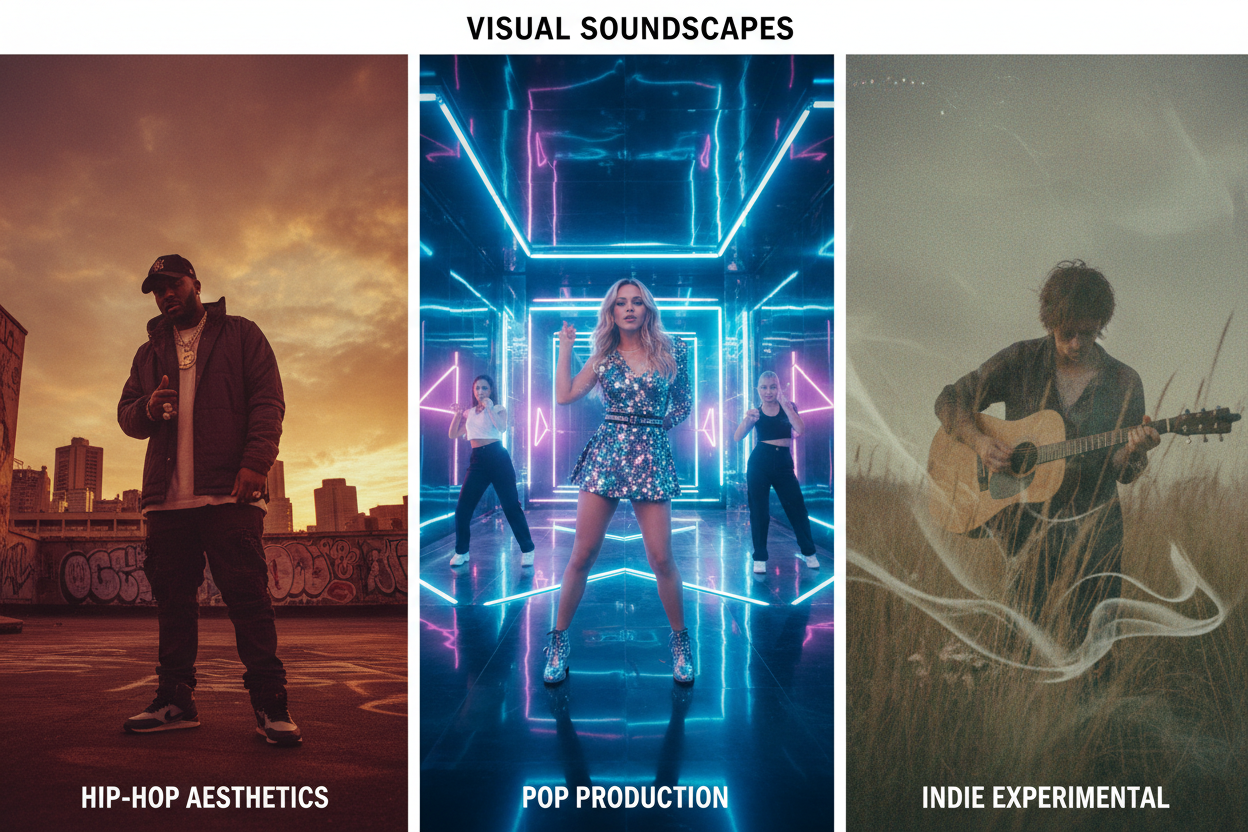
Each music genre developed distinct visual languages throughout the 2010s. Hip-hop, pop, indie rock, and R&B artists approached the music video format with different priorities and aesthetics. These genre-specific trends reflected broader artistic values and audience expectations.
Hip-Hop: From Luxury to Artistry
Early 2010s hip-hop videos often emphasized wealth display. Rappers posed with cars, jewelry, and models in mansion settings. This tradition continued from previous decades but started evolving mid-decade toward more experimental approaches.
Kendrick Lamar changed expectations with videos that prioritized message over materialism. “Alright” and “HUMBLE” used visual symbolism to explore black identity and spirituality. Other conscious rappers followed that lead, treating videos as artistic statements rather than lifestyle brags.
Danny Brown and Tyler, the Creator pushed hip-hop videos into surreal territory. Their willingness to look strange or uncomfortable on camera opened doors for weirder approaches. Underground aesthetics influenced mainstream as audiences rewarded originality over conventional flex culture.
Directors like Hiro Murai and Dave Meyers brought cinematic techniques to hip-hop videos. The genre’s visual language expanded beyond performance clips and party scenes. Narrative storytelling, abstract imagery, and political commentary became equally valid approaches.
Pop: Spectacle Meets Substance
Pop music videos maintained the genre’s tradition of elaborate production and entertainment value. But the best pop videos of the decade added deeper meaning beneath the spectacle. Beyoncé exemplified this balance through work that dazzled visually while addressing social issues.
Choreography remained central to pop videos. Artists like Solange and Janelle Monáe elevated dance to art form through collaborations with acclaimed choreographers. The movement itself became message as important as any lyric.
Fashion took on greater importance in pop videos. Artists worked with designers to create iconic looks that would live on through social media. Every costume choice became intentional part of the visual story rather than just styling.
Pop videos embraced diversity more explicitly than previous decades. Representation in casting, creative teams, and subject matter reflected changing cultural values. Videos that celebrated different body types, sexualities, and identities found enthusiastic audiences.
R&B: Intimacy and Innovation
R&B videos often favored intimate aesthetics over massive production. The genre’s focus on emotional vulnerability translated into visual approaches that felt personal and direct. Artists like FKA Twigs and Solange created videos that prioritized mood over narrative.
Experimental techniques flourished in R&B. Artists tested audience patience with long takes, abstract imagery, and unconventional structures. The genre provided space for directors to try ideas that might feel too weird for pop or hip-hop contexts.
Choreography took contemporary dance influences from ballet and modern traditions. The movement vocabulary expanded beyond commercial dance styles. This sophistication attracted respect from dance world while introducing those techniques to mainstream audiences.
Minimalism became a valid aesthetic choice. Some of the decade’s most memorable R&B videos featured simple concepts executed beautifully. Robyn dancing alone in “Call Your Girlfriend” proved that less could be more when the performance was genuine.
Indie and Alternative: DIY Aesthetic
Indie artists often embraced low-budget aesthetics that became their strength. The DIY approach felt authentic in an era of overproduced pop videos. Lana Del Rey’s early work showed how home-made quality could enhance rather than diminish artistic vision.
Animation and mixed media techniques appeared frequently in indie videos. Artists experimented with stop-motion, rotoscoping, and other labor-intensive approaches that major labels wouldn’t fund. These videos stood out through unique visual styles impossible to replicate with conventional budgets.
Concept-driven narratives worked well for indie videos. Without resources for elaborate production, directors focused on clever ideas that could be executed simply. A strong concept could create memorable video regardless of budget limitations.
The indie community embraced collaboration. Directors, animators, and artists worked together for exposure rather than money. This created ecosystem where innovation thrived because no one had resources to play it safe.
Fashion’s Symbiotic Relationship with Music Videos
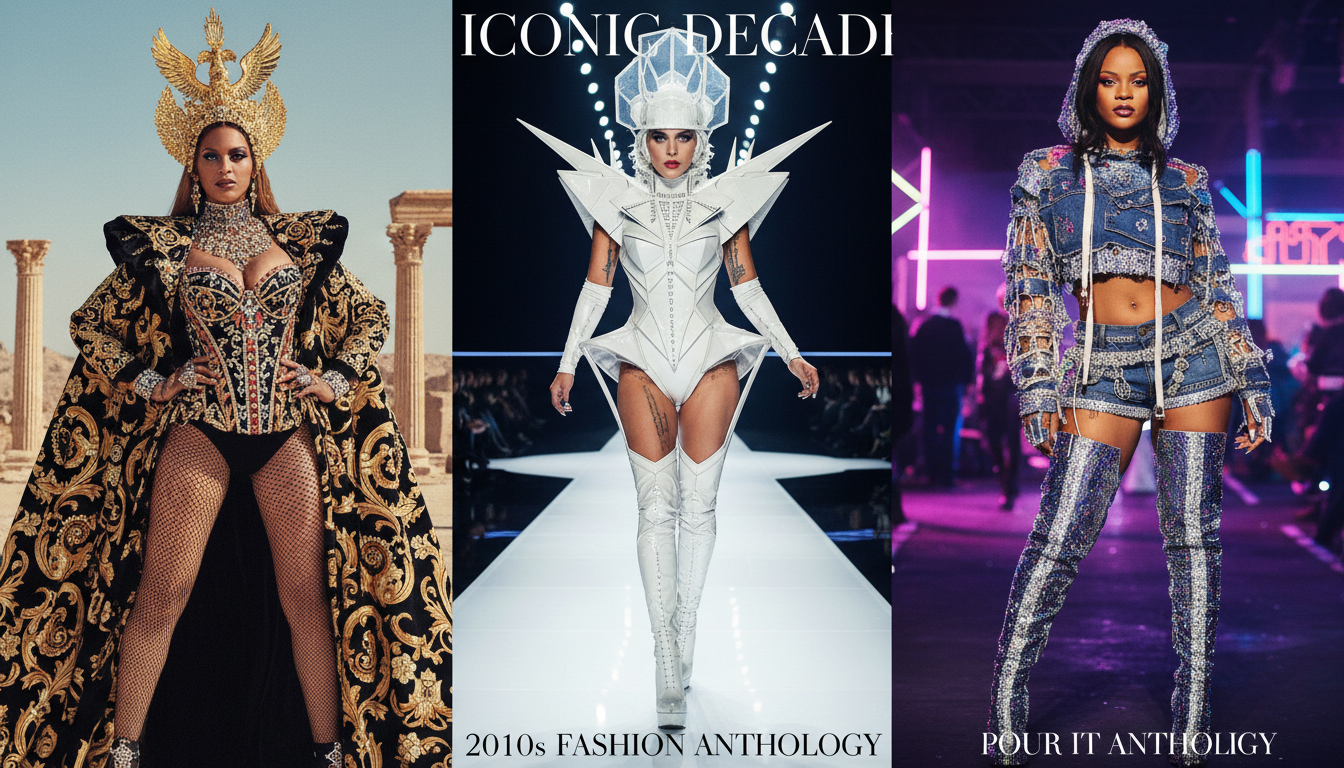
Fashion and music videos have always influenced each other, but the 2010s deepened that relationship. Designers recognized videos as advertising opportunities. Artists understood fashion choices as artistic statements. This mutual recognition elevated both industries.
The Designer Collaboration Era
High fashion designers competed to dress music video shoots. Beyoncé’s “Formation” featured pieces from Gucci and other luxury brands showcased prominently. These partnerships benefited both sides—artists accessed couture, designers reached younger audiences.
FKA Twigs became fashion world darling through videos that highlighted avant-garde designers. Her willingness to wear challenging pieces made her muse for brands pushing boundaries. The videos documented fashion that audiences would never see on runways.
Some videos functioned essentially as fashion films. The line between music video and designer lookbook blurred. Artists released visual albums where fashion progression told stories parallel to the music. Each outfit change carried narrative significance.
Street Style to High Fashion Pipeline
Music videos accelerated street fashion’s influence on high fashion. What artists wore in videos appeared on runways within months. Designers watched videos for trend forecasting, creating feedback loop where music and fashion constantly influenced each other.
Kendrick Lamar’s videos showcased black American street style with authority that fashion world couldn’t ignore. Brands started collaborating with hip-hop artists and incorporating those aesthetics into collections. The cultural appropriation debates that followed demonstrated fashion’s complicated relationship with black creativity.
Athleisure’s dominance owed partially to music videos normalizing sportswear in non-athletic contexts. Artists wore sneakers and tracksuits in videos that premiered on fashion magazine websites. This validated comfortable clothing as legitimate style rather than casualness.
DIY and Vintage Aesthetics
Not all fashion influence flowed from luxury brands. Lana Del Rey’s thrift store vintage looks inspired entire fashion movements. Her videos proved expensive doesn’t mean stylish. Young fans recreated her aesthetic affordably, making fashion more accessible.
The DIY ethos extended to jewelry, makeup, and hair. Music videos showcased styling that viewers could replicate at home. This participatory element built stronger connections between artists and audiences. Fashion became collaborative rather than aspirational.
Some artists explicitly rejected high fashion. Their videos featured everyday clothing that emphasized relatability over glamour. This democratization challenged fashion’s elitism while still creating memorable visual identities.
Gender and Fashion Expression
Music videos from the 2010s pushed gender boundaries in fashion. Artists wore whatever they wanted regardless of traditional gender norms. Janelle Monáe’s videos featured suits and androgynous styling that challenged expectations for female artists.
Harry Styles and other male artists embraced fashion experimentation in ways that earlier decades discouraged. Their videos normalized men in makeup, jewelry, and flowing garments. This visual representation accelerated cultural acceptance of gender-fluid fashion.
The visibility mattered enormously. Young people saw artists expressing themselves through fashion without conforming to binary expectations. Music videos provided models for how to dress authentically rather than conventionally.
Behind The Scenes: What It Takes to Create Iconic Videos
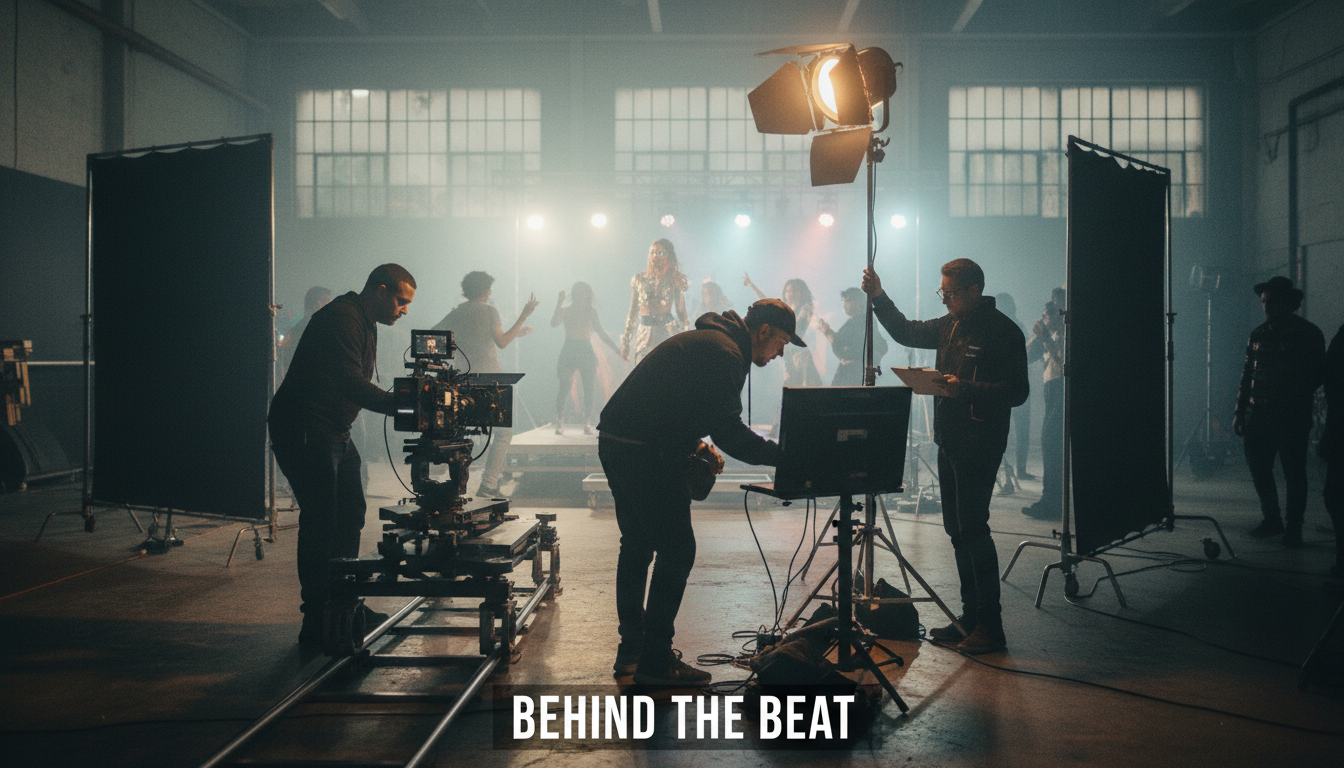
Creating memorable music videos requires collaboration between dozens of specialists. The process involves months of planning, massive crews, and technical expertise across multiple disciplines. Understanding what happens behind the camera reveals the artistry often invisible in final products.
Pre-Production and Concept Development
Every great video starts with concept development. Directors meet with artists to discuss the song’s meaning and desired visual approach. Some artists bring specific visions. Others trust directors to interpret the track creatively.
Treatment writing comes next. Directors create detailed documents describing every scene, shot, and visual element. These treatments function as sales pitches to convince artists and labels to fund the vision. Competition for high-profile projects means treatments must be exceptional.
Location scouting, casting, and production design happen simultaneously. Scout teams photograph potential shooting locations. Casting directors audition performers. Production designers create mood boards and build sets. All these elements must align with the treatment’s vision.
Budget negotiations determine what’s actually possible. Directors must advocate for their vision while staying realistic about costs. Creative compromises happen constantly. The ability to maintain artistic integrity within budget constraints separates good directors from great ones.
Production Challenges and Solutions
Shoot days are controlled chaos. Crews of 30-100 people execute the director’s vision under tight time constraints. Music video productions typically last one to three days, though ambitious projects like Kanye West’s “Runaway” can extend for weeks.
Weather, equipment failures, and scheduling conflicts create constant problems. Directors must make quick decisions to adapt plans without compromising quality. The best directors stay calm under pressure while maintaining creative vision.
Working with artists requires people skills beyond technical knowledge. Some artists arrive fully prepared and trust the process. Others feel uncomfortable on camera or want to change everything mid-shoot. Directors must manage these dynamics diplomatically.
Choreography videos require extensive rehearsal before filming. Dancers and artists practice for weeks to nail complex routines. On shoot day, capturing choreography demands understanding camera angles that showcase movement without confusing viewers.
Post-Production Magic
Editing transforms raw footage into coherent narratives. Editors work closely with directors to find the right rhythm. Music videos require perfect synchronization between visual cuts and musical beats. This precision makes editing both technical and creative challenge.
Color grading establishes the video’s final look. Colorists adjust every frame to match the desired aesthetic. This process can completely transform footage shot in neutral lighting into specific moods through color temperature, saturation, and contrast adjustments.
Visual effects work happens in post-production. Artists like FKA Twigs require extensive VFX to achieve impossible movement and environmental effects. VFX artists spend weeks on shots that last seconds in final videos.
Sound mixing ensures audio quality matches visual polish. Even though the track is finished, videos require mixing for proper playback. Some videos add sound effects or dialogue that must be balanced with the music.
Budget Realities
Music video budgets vary wildly. Underground artists might shoot on $5,000 borrowed from friends. Major label releases typically budget $100,000-300,000. Massive productions from superstars like Beyoncé can exceed $1 million.
Budget allocation requires strategic thinking. Directors must decide where to spend money for maximum impact. Expensive locations might mean less elaborate costumes. Elaborate effects might require simpler shooting schedules.
The 2010s saw budget pressures increase. Streaming reduced record label profits. Labels pushed for cheaper videos while expecting equal quality. Directors adapted by finding creative solutions that looked expensive but weren’t.
Some artists self-funded videos to maintain creative control. This independence allowed more experimental work but limited scale. The trade-off between artistic freedom and production value defined many career decisions.
Controversy, Censorship, and Pushing Boundaries
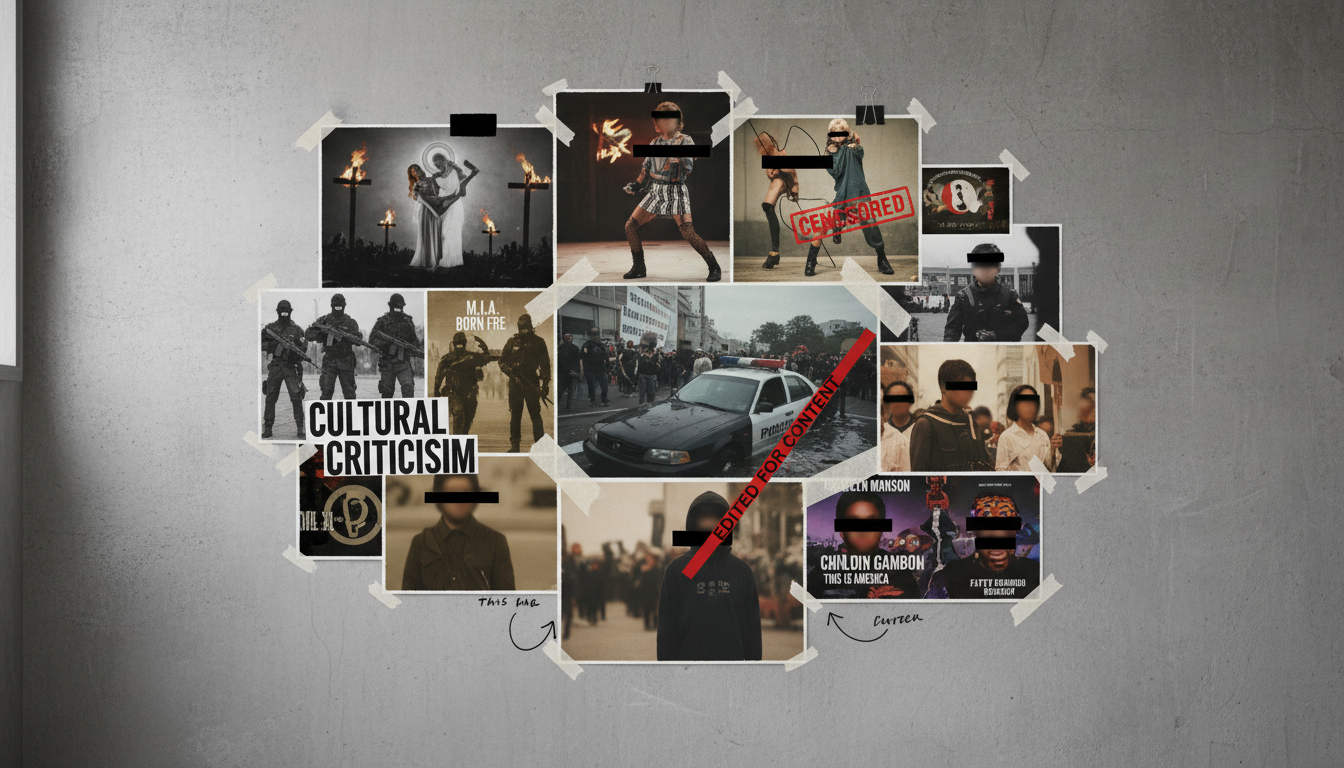
The most memorable videos often sparked controversy. Artists pushed boundaries around violence, sexuality, politics, and taste. These provocations generated publicity while raising questions about artistic expression versus responsibility.
Violence and Graphic Content
Rihanna’s “Bitch Better Have My Money” featured kidnapping and implied torture. The graphic content prompted debates about women depicting violence versus being victimized by it. Some praised the video’s reversal of power dynamics. Others found it gratuitously disturbing.
“This Is America” forced viewers to confront gun violence that many Americans prefer ignoring. The shocking juxtaposition of entertainment and murder made people uncomfortable intentionally. That discomfort served the video’s purpose of critiquing American complacency.
YouTube’s community guidelines restricted some content. Videos needed edited versions to avoid age-gating or removal. This censorship frustrated directors who felt it neutered their artistic vision. The tension between platform rules and creative expression defined the decade.
Sexual Content and Representation
Janelle Monáe’s “PYNK” celebrated female sexuality explicitly. The vagina pants provoked pearl-clutching from conservative audiences while thrilling fans tired of male-gazey content. The video’s queerness added another layer of representation importance.
Debates about female sexuality versus objectification continued throughout the decade. When women directed their own sexual imagery, it read differently than male-directed equivalents. Agency became central to these discussions.
LGBTQ+ representation increased dramatically in music videos from all genres. Artists came out through video releases. Same-sex romance appeared in mainstream content. This visibility mattered enormously to young people seeing themselves reflected in pop culture.
Political Statements and Backlash
“Formation” generated backlash from people who claimed Beyoncé was anti-police. The video’s Black Panther references and social justice themes made some audiences uncomfortable. Right-wing media amplified controversy, inadvertently promoting the video through outrage.
Artists faced pressure from all sides. Fans demanded political engagement. Labels worried controversy would alienate mainstream audiences. International markets had different sensitivities. Directors navigated these competing interests while trying to protect artistic vision.
Some videos were banned in specific countries. Censorship varied based on local laws and cultural norms. These restrictions sometimes created underground buzz that made videos more popular than mainstream releases.
Cultural Appropriation Debates
Music videos sparked conversations about cultural appropriation throughout the decade. When white artists used black aesthetics, critics questioned whether it was appreciation or exploitation. These debates highlighted ongoing racial tensions in pop culture.
Artists defended themselves with varying success. Some acknowledged mistakes and learned. Others doubled down defensively. The conversations pushed industry toward more mindful engagement with culture outside artists’ backgrounds.
Collaborations became one solution. When artists worked with communities rather than taking from them, videos felt more authentic. This approach required humility and genuine relationship-building beyond transactional engagement.
Animation and Experimental Techniques
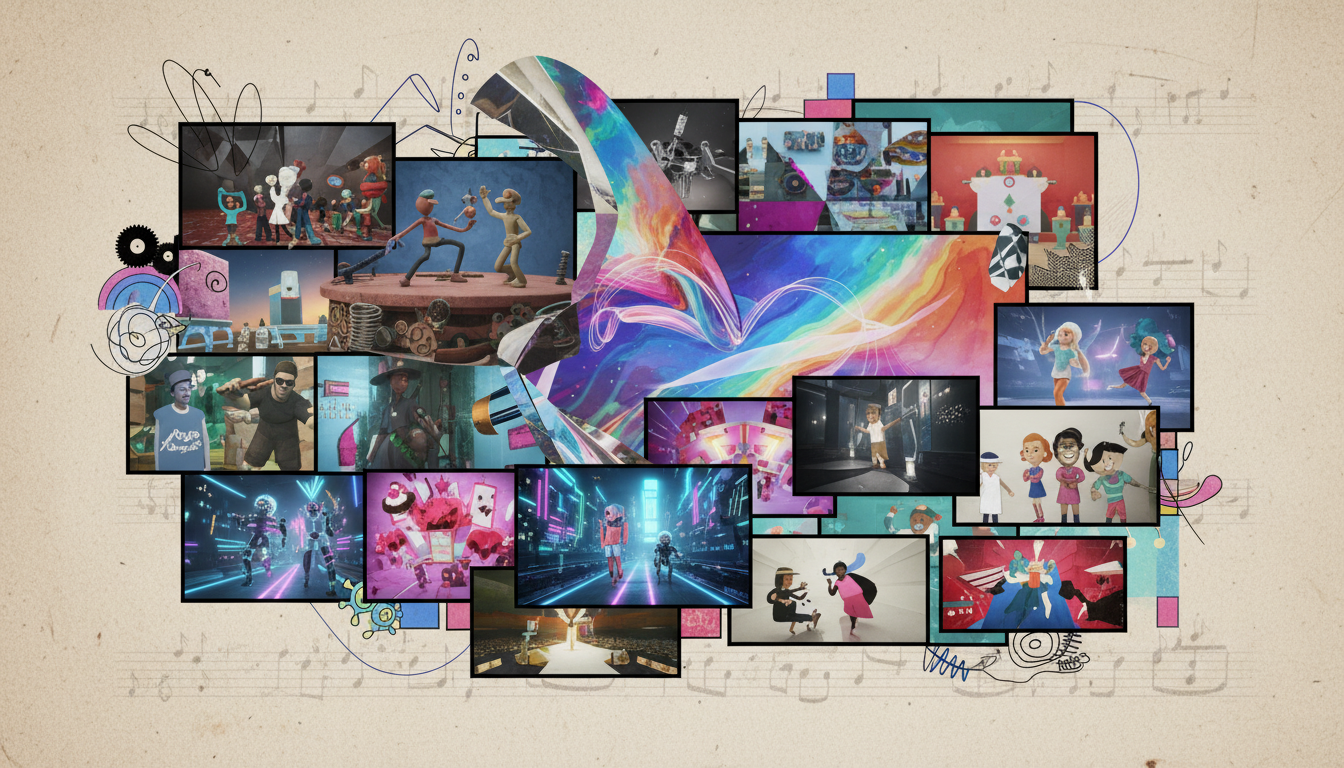
Animation offered limitless creative possibilities for music videos. Directors used techniques ranging from traditional hand-drawn animation to cutting-edge CGI. These videos proved that the format could compete with any visual medium for artistic innovation.
Stop-Motion and Claymation
Stop-motion animation created distinctive aesthetics impossible to replicate digitally. The technique’s handmade quality appealed to artists wanting organic feels. Each frame required photographing physical objects moved incrementally, making production incredibly time-intensive.
Artists embraced the medium’s quirky charm. Stop-motion videos stood out in feeds filled with live-action content. The technique worked particularly well for indie artists whose music already had handmade qualities.
Production costs could be managed through small crews and extended timelines. Animators worked for months on videos that major labels would schedule for three-day shoots. This patience created videos with personality and detail that rushed productions couldn’t achieve.
Rotoscoping and Artistic Filters
Rotoscoping—tracing over live-action footage frame-by-frame—created dreamlike effects. Videos could look like moving paintings or graphic novels. The technique bridged live-action and animation, creating unique visual languages.
A-ha’s “Take On Me” popularized rotoscoping in the 1980s, but 2010s artists rediscovered the technique. Modern software made the process faster without losing handmade qualities. The result was videos that looked vintage and contemporary simultaneously.
Various artistic filters and styles emerged through digital tools. Videos could mimic oil painting, watercolor, or comic book aesthetics. These choices weren’t just stylistic but narrative—the visual treatment reinforced songs’ emotional content.
CGI and Virtual Environments
Computer-generated imagery created worlds impossible to build practically. Artists performed in digital landscapes limited only by imagination and rendering power. As software improved, these environments became increasingly photorealistic.
Some videos took place entirely in virtual spaces. Characters, settings, and effects were all digital. This approach appealed to artists wanting to escape physical limitations or create science fiction scenarios.
The line between live-action and CGI blurred throughout the decade. Most big-budget videos combined both seamlessly. Viewers often couldn’t tell what was practical versus computer-generated, creating magic that served the music.
Mixed Media and Collage Techniques
Some directors combined multiple techniques in single videos. Live-action might transition into animation then back. These hybrid approaches created jarring or harmonious effects depending on execution.
Collage aesthetics appeared frequently in experimental videos. Directors layered different visual elements like mixed-media art projects. The fragmentation could represent psychological states or simply create visual interest.
These experimental techniques found audiences online more easily than in MTV era. YouTube didn’t care if videos fit conventional formats. Viewers seeking something different could find and share experimental work, creating niche appreciation that sustained adventurous directors.
The 2010s in Retrospect: What We Learned
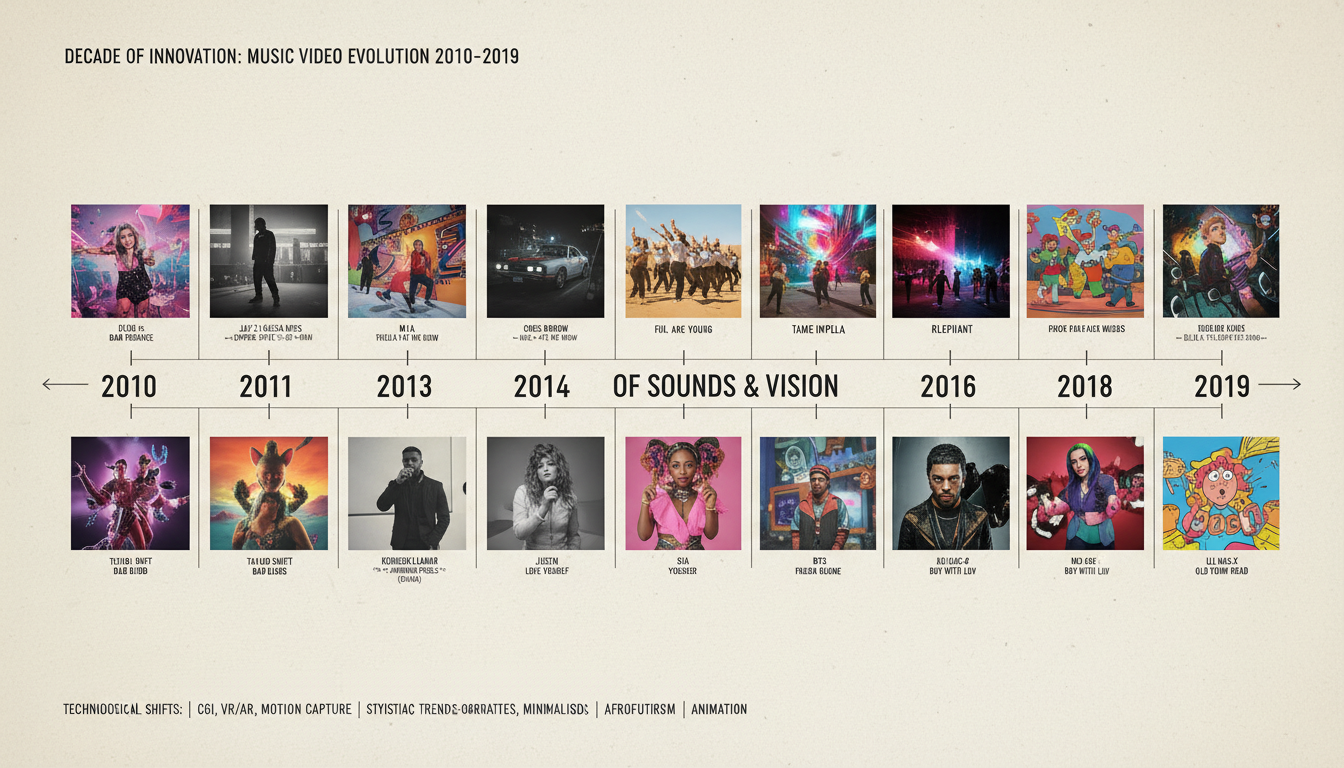
Looking back at the decade reveals patterns about art, technology, and culture. Music videos served as cultural barometers, reflecting and shaping how we thought about race, gender, politics, and creativity. The lessons from these ten years will influence the format’s future.
The Format’s Resilience
Many predicted music videos would die as MTV abandoned them. Instead, the format thrived by finding new distribution channels. YouTube gave videos permanent homes rather than fleeting TV airings. This immortality incentivized higher quality since content would live indefinitely.
Artists recognized videos as essential rather than supplemental. In streaming era, visual content helped songs cut through algorithmic noise. A great video could revive a track that radio ignored. This value kept budgets flowing even as record sales declined.
The format proved adaptable to changing technologies and platforms. Directors embraced vertical video for Instagram Stories. They created short loops for social sharing. The core concept—pairing music with imagery—remained relevant even as delivery methods evolved.
Democratization and Its Consequences
YouTube democratized music video distribution, letting anyone reach global audiences. This lowered barriers for diverse creators who traditional gatekeepers excluded. We got more varied perspectives and experimental work than MTV-era monopoly allowed.
But democratization also meant infinite competition for attention. Thousands of videos uploaded daily competed for views. Quality alone didn’t guarantee success. Marketing, timing, and luck mattered as much as creativity.
The best work still rose through combination of merit and promotion. Artists with resources could amplify quality content through advertising. Independent artists needed hustle, networking, and occasionally viral luck to break through.
Social Consciousness and Art
The decade showed that entertainment and political consciousness could coexist. Videos addressing racism, sexuality, and inequality found massive audiences. This demolished the myth that audiences only wanted escapism.
Artists learned they could make powerful statements without lecturing. The best political videos worked as art first. “This Is America” succeeded because it was brilliantly crafted, not just because it had important message. Form and content reinforced each other.
This trend will likely continue. Audiences especially young ones expect artists to engage with social issues. Music videos provide perfect medium for these statements because they reach people emotionally before intellectually.
The Director as Auteur
Directors like Hiro Murai, Melina Matsoukas, and Colin Tilley achieved recognition comparable to film directors. Their names carried weight. Artists sought them out specifically for their visual signatures. This elevated the craft beyond hired-gun mentality.
The auteur trend benefited the format by attracting serious talent. Directors saw music videos as legitimate art form worth dedicating careers toward. This influx of talent pushed quality higher throughout the decade.
Collaborations between established directors and musicians created some of the decade’s best work. Both parties brought expertise and pushed each other toward excellence. These partnerships worked when egos stayed secondary to vision.
What’s Next: The Future of Music Videos
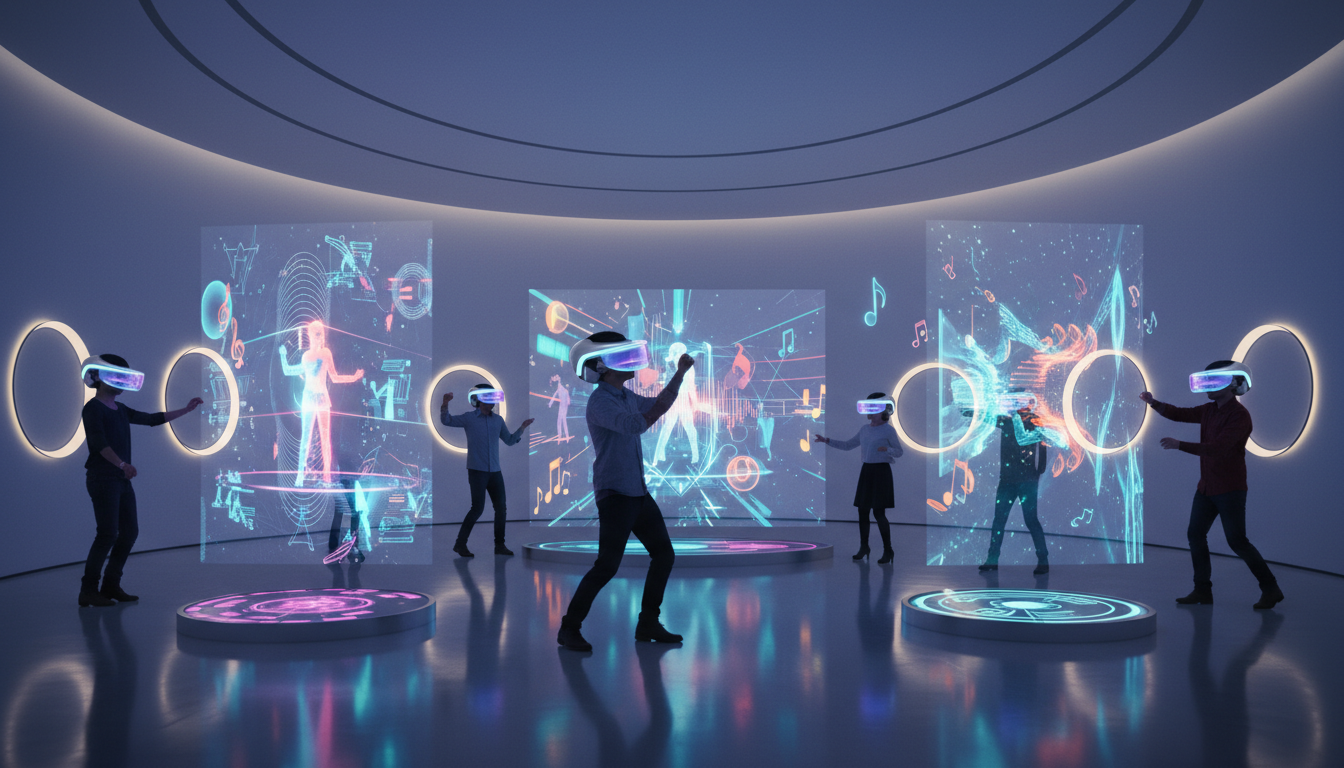
The 2010s established foundations that will shape music videos for years to come. Technology continues advancing while cultural expectations evolve. Understanding current trends helps predict where the format is headed.
Virtual Reality and Immersive Experiences
VR technology promises fully immersive music videos where viewers control perspective. Some artists already experimented with 360-degree videos on YouTube. As headsets become more affordable, VR experiences could become standard album releases.
The challenge is creating content that justifies the technology. Gimmicky VR won’t attract audiences. But directors who use the medium creatively could redefine what music videos mean. Imagine experiencing “This Is America” from inside the warehouse rather than as observer.
Interactive elements could let viewers choose camera angles or story paths. This participation transforms passive viewing into active exploration. Artists could release videos that reveal new details through multiple viewings from different perspectives.
AI and Generative Content
Artificial intelligence tools will influence music video production in coming years. AI can already generate images, edit footage, and create effects that previously required specialists. This technology will democratize high-quality production while raising questions about human creativity’s role.
Some artists might create entirely AI-generated videos. The technology could animate artists without requiring their physical presence. This raises both practical possibilities and philosophical questions about authenticity and authorship.
More likely, AI will become another tool directors use alongside traditional techniques. Smart directors will leverage technology while maintaining human creativity and emotional truth that audiences connect with.
Short-Form and Platform-Specific Content
TikTok’s influence ensures short-form content will remain crucial. Artists might release traditional videos alongside 15-second versions optimized for social media. Different platforms require different approaches, and successful artists will master multiple formats.
Vertical video will become more common as mobile viewing dominates. Directors will shoot specifically for phone screens rather than treating vertical as afterthought. This requires rethinking composition and framing for narrower aspect ratios.
Platform exclusivity deals might emerge as streaming services compete for content. Artists could release videos exclusively on Apple Music or Spotify before wider distribution. These deals would provide funding while potentially fragmenting audiences.
Continued Social Consciousness
Artists will likely continue using videos for political and social statements. The success of activist videos from the 2010s proved audiences respond to meaningful content. Future videos might address climate change, economic inequality, and other pressing issues.
The key will be avoiding preachiness. The best political art works metaphorically rather than literally. Directors who can embed messages in compelling narratives will succeed where heavy-handed approaches fail.
Representation behind the camera matters as much as on screen. Diverse directing, cinematography, and creative teams will bring perspectives that mainstream production historically excluded. This diversity will enrich the format creatively and culturally.
The Eternal Cycle of Innovation
Music videos will continue evolving as technology and culture change. Each generation brings new ideas while building on previous innovations. The format survives because it’s fundamentally about human expression through sound and image—needs that won’t disappear.
Tomorrow’s groundbreaking videos might use technologies we haven’t imagined. But they’ll succeed for the same reasons 2010s videos did: emotional resonance, creative vision, and ability to capture cultural moments. The best videos transcend their creation date to become timeless.
Conclusion: A Decade That Redefined Visual Music
The 2010s proved music videos could still matter in fragmented media landscape. These ten clips represent a format that refused to die and instead evolved into something more powerful than its MTV-era origins.
From Childish Gambino’s cultural bomb to David Bowie’s final farewell, these videos transcended entertainment to become art that sparked conversations, influenced movements, and changed how we experience music. They demonstrated that the music video format could accommodate any ambition.
The decade taught us several crucial lessons. First, democratization through YouTube and social media enabled diverse voices previously excluded by gatekeepers. Second, audiences reward authenticity and risk-taking over polished conventionality. Third, the best videos serve the music while adding dimensions songs alone can’t achieve.
Directors emerged as auteurs comparable to film directors. Hiro Murai, Melina Matsoukas, Colin Tilley, and others brought cinematic sophistication to the format. Their work inspired the next generation of visual storytellers who will shape music videos throughout the 2020s.
Artists recognized that visual presentation was no longer optional. In streaming era where countless songs compete for attention, compelling videos help tracks break through algorithmic noise. This reality ensures music videos will remain central to pop culture.
The technical innovations of the 2010s—long takes, drone cinematography, seamless visual effects—became standard tools. Future directors will build on these foundations while discovering new techniques that seem impossible today.
Most importantly, these videos reminded us that music combined with image creates something greater than either alone. A great song gains depth through visual interpretation. A striking image gains emotional power through musical accompaniment. The synthesis is what makes the format endure.
As we move forward, the music videos from this list will age differently. Some will feel dated as aesthetics evolve. Others will gain appreciation as time reveals their prescience. All of them captured specific cultural moments that defined the decade.
The next ten years will bring challenges and opportunities we can’t fully predict. New platforms will emerge. Technologies will advance. Cultural conversations will shift. But the fundamental human desire to experience music visually will persist.
These ten videos set standards for excellence that future work will be measured against. They showed what’s possible when artists, directors, and crews collaborate toward shared vision. They proved that music videos can still shock, move, and inspire us in an age of constant content.
The 2010s gave us a decade of music videos that mattered. They entertained, provoked, and sometimes changed how we see the world. That’s more than most art forms achieve. It’s why we’ll be analyzing, celebrating, and learning from these videos for years to come.
Explore More Music Video Retrospectives
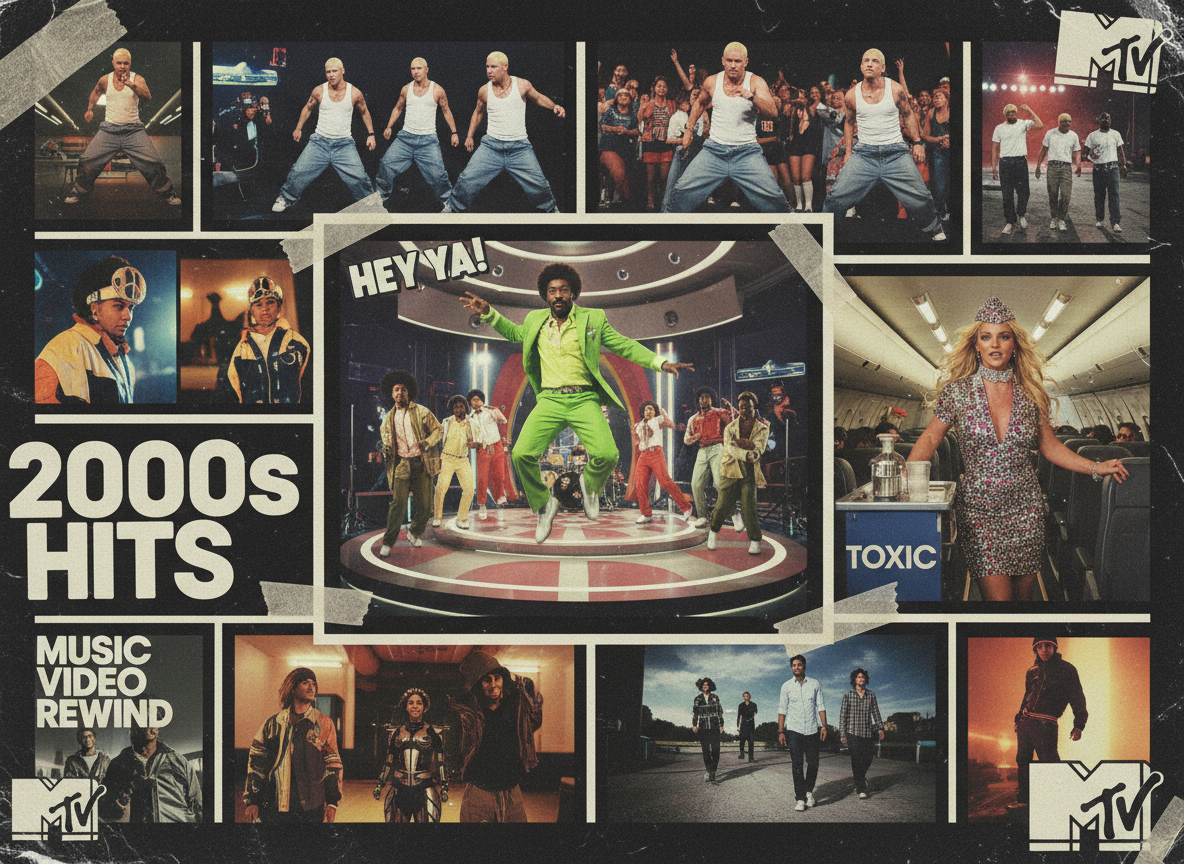
The Best Music Videos of the 2000s
Journey back to the pre-YouTube era when MTV still played music videos. Discover the clips that defined a generation, from OutKast’s “Hey Ya!” to Johnny Cash’s haunting “Hurt” cover. Explore how directors transitioned from analog to digital.
Music Video Directors Who Changed The Game
Meet the visionaries behind the camera who transformed music videos into art form. From Spike Jonze’s surrealist masterpieces to Hype Williams’ glossy hip-hop aesthetics. Learn how these directors shaped visual culture across four decades.
Most Expensive Music Videos Ever Made
Explore the astronomical budgets behind music’s most lavish productions. From Michael Jackson’s multi-million dollar epics to modern spectacles. Learn what it takes to create videos that cost more than feature films and whether the investment pays off.
Social Media’s Role in Video Virality
Social media platforms transformed how music videos reached audiences and achieved cultural impact. Twitter, Instagram, TikTok, and Facebook amplified videos beyond YouTube’s native reach. The conversation around videos often became as important as the content itself.
Twitter and Real-Time Reaction Culture
Twitter became the primary platform for music video discourse. Drops were announced via tweet, creating anticipation. When videos premiered, Twitter exploded with real-time reactions. Trending topics gave videos immediate visibility to users who hadn’t actively sought them.
The tweet-and-quote culture meant memorable frames from videos circulated as memes within hours. “This Is America” generated thousands of analytical threads dissecting every symbol. Users competed to identify references and meanings, creating crowdsourced video analysis.
Artists engaged directly with fans on Twitter during premieres. This interaction made releases feel like communal events. The platform’s speed meant buzz built and peaked within 24-48 hours. Videos needed immediate impact to capitalize on that brief window.
Instagram’s Visual Storytelling
Instagram’s visual focus made it perfect for video promotion. Artists posted behind-the-scenes content building anticipation before releases. Teaser clips in Instagram Stories generated millions of views before full videos premiered.
The platform’s aesthetic sensibility influenced how videos were shot. Directors knew certain frames would be screenshot and shared. Fashion-forward moments and visually striking compositions received extra attention because they would live on Instagram feeds.
Instagram’s Reels feature in the decade’s final year created new distribution channel. Short clips from videos could go viral independently, driving traffic back to full versions. This fragmentation changed how directors structured videos to accommodate social sharing.
TikTok’s Disruptive Influence
TikTok launched globally in 2018 and immediately changed music promotion. Songs went viral through user-generated content rather than official videos. This democratization meant anyone’s dance could make a track popular.
Artists started creating content specifically for TikTok virality. Music videos incorporated dance moves designed to be replicated. The platform’s young user base made it crucial for reaching Generation Z audiences.
Some songs from earlier in the decade resurged through TikTok trends. Clips from music videos that flopped initially found new audiences years later. The platform gave content longer cultural lifespan than previous social media allowed.
Facebook’s Demographic Reach
Facebook remained important for reaching older demographics. Parents and older music fans engaged with content there more than on younger platforms. Share functionality meant videos could reach beyond typical fan bases through friends-of-friends networks.
Facebook Live features let artists host premiere events where they watched and commented alongside fans. This created appointment viewing similar to old MTV premieres but more interactive and personal.
The platform’s video player competed with YouTube for views. Some artists released videos simultaneously on both platforms to maximize reach. The competition benefited artists by giving them leverage in platform negotiations.