
Top 10 1980s Music Videos That Defined Gen X Culture
The 1980s didn’t just give us big hair and shoulder pads. The decade revolutionized music forever when MTV launched in 1981 with the words “Ladies and gentlemen, rock and roll.” For Gen X, this wasn’t just entertainment. It was our cultural awakening.
Music videos transformed from simple performance clips into cinematic masterpieces. Artists became visual storytellers. Directors pushed creative boundaries. And we sat glued to our television sets, waiting for our favorite videos to play.
The impact was profound. These weren’t just songs with pictures. They were cultural touchstones that shaped fashion, language, and identity. Every Gen Xer remembers exactly where they were when they first saw certain videos.
This definitive ranking celebrates the music videos that defined our generation. Each selection earned its place through artistic innovation, cultural impact, and lasting influence. From groundbreaking animation techniques to boundary-pushing narratives, these ten videos changed music forever.
1. Michael Jackson – “Thriller” (1983)
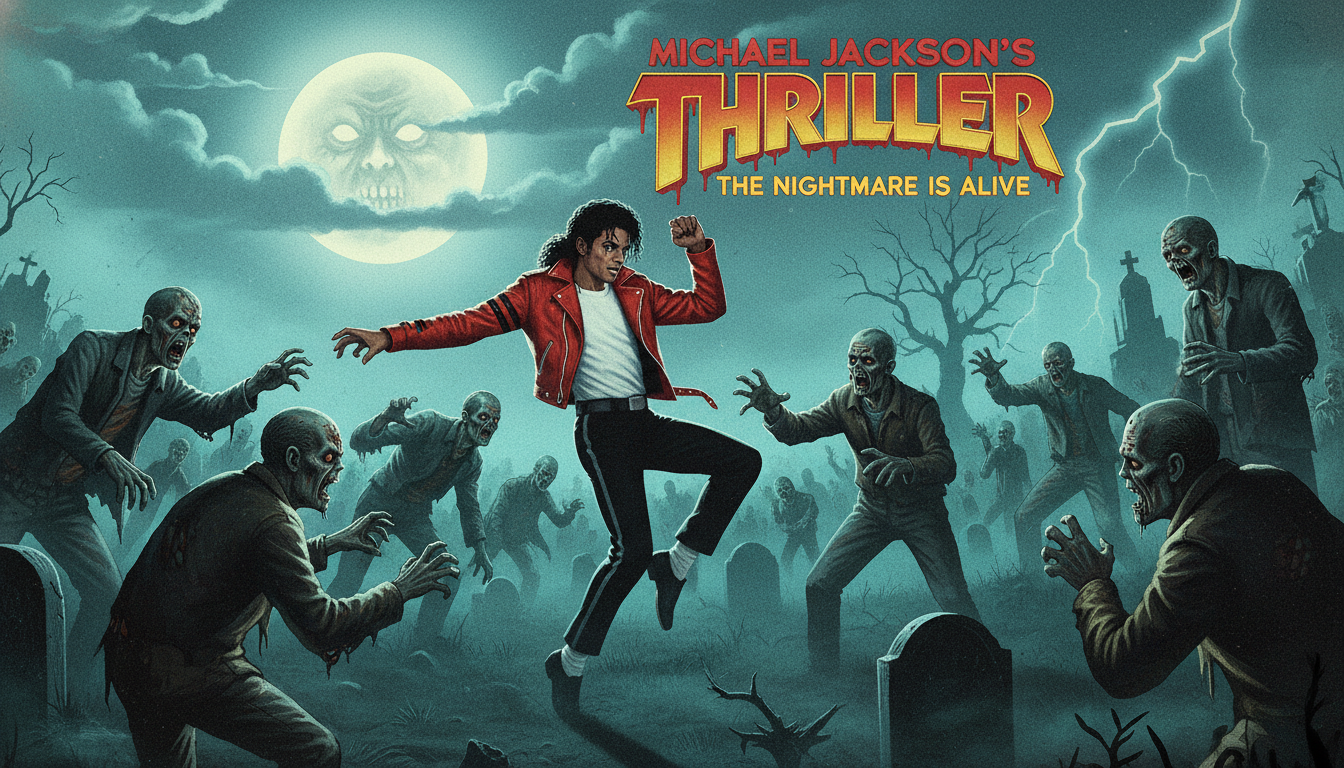
Nothing prepared the world for “Thriller.” Michael Jackson and director John Landis created something unprecedented – a fourteen-minute short film that transcended the music video format entirely. The production budget of $500,000 was unheard of at the time.
The video premiered on December 2, 1983, and changed everything overnight. Blockbuster choreography, Hollywood-quality special effects, and genuine narrative structure made this more than just a promotional tool. It became a cultural phenomenon that defined the entire decade.
Vincent Price’s legendary voice-over added theatrical gravitas. The zombie dance sequence became instantly iconic. Jackson’s red leather jacket turned into one of music’s most recognizable costumes. Even today, decades later, the choreography gets recreated worldwide.
Cultural Impact
The video helped break down racial barriers on MTV. It proved music videos could be legitimate art forms. Sales of the “Thriller” album skyrocketed, eventually becoming the best-selling album of all time with over 70 million copies sold worldwide.
- First music video inducted into the National Film Registry
- Revolutionized the music video industry’s production standards
- Created the template for narrative-driven music videos
- Generated unprecedented MTV airplay and viewer engagement
The influence extended beyond music into fashion and dance culture. Thriller jackets flew off shelves. Dance studios taught the routine. Halloween was never the same. For Gen X, this video represented the pinnacle of what the medium could achieve.
2. Peter Gabriel – “Sledgehammer” (1986)
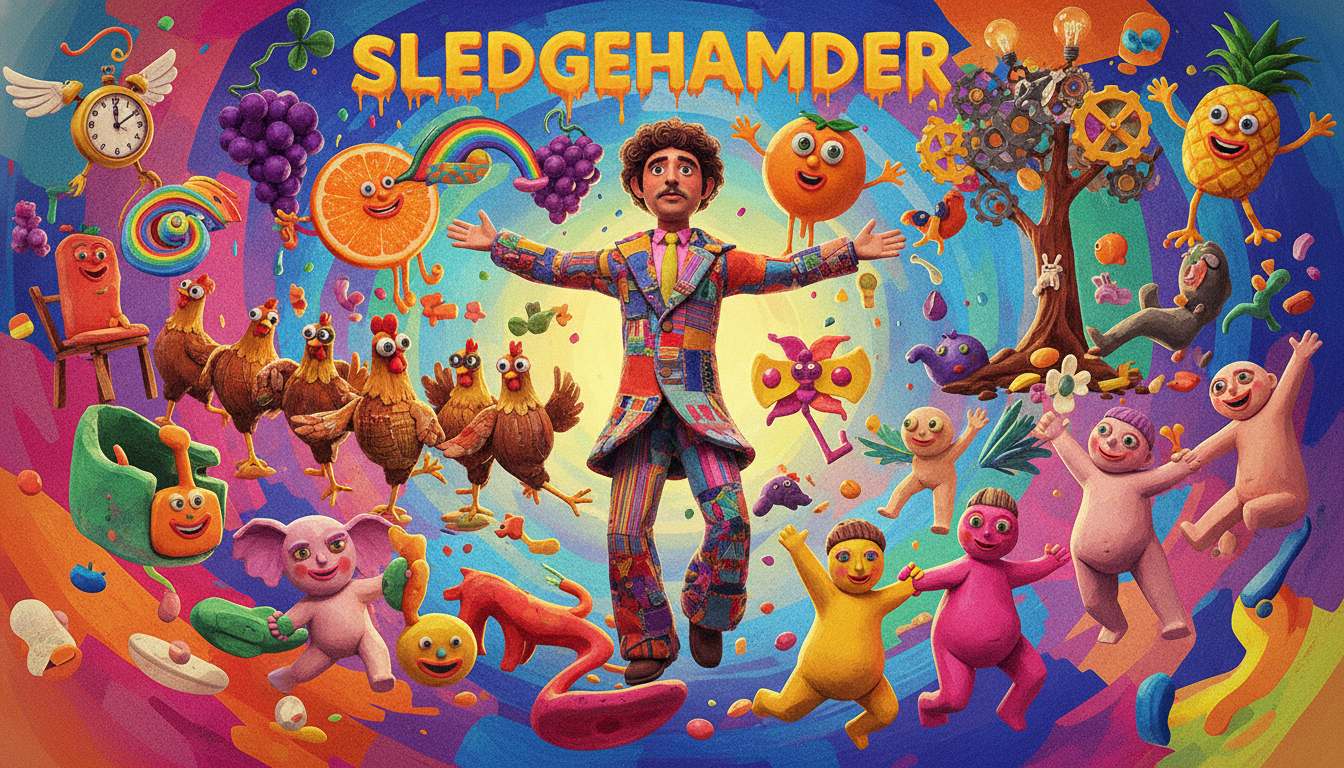
Peter Gabriel’s “Sledgehammer” pushed animation boundaries in ways never seen before. The collaboration with Aardman Animations and Brothers Quay resulted in a kaleidoscopic masterpiece using stop-motion, claymation, and pixilation techniques.
Every frame was meticulously crafted. Gabriel spent grueling hours lying on glass under bright lights while animators worked above him. The dedication paid off spectacularly. The video won nine MTV Video Music Awards in 1987, a record that stood for years.
The surrealist imagery perfectly matched the song’s playful energy. Dancing chickens, morphing fruit, and Gabriel’s face transforming into various objects created visual candy that rewarded repeated viewings. No two watches revealed the same details.
For animation enthusiasts, this video represented a quantum leap forward. It proved that experimental techniques could achieve mainstream success. The blend of humor, artistry, and technical innovation captured Gen X’s appreciation for creativity that challenged conventions.
Technical Innovations
- Combined multiple animation techniques seamlessly
- Used pixilation to create surreal human movement
- Employed claymation for character development
- Integrated live-action with animation flawlessly
The song itself became a massive hit, reaching number one on the Billboard Hot 100. But the video elevated it to legendary status. MTV played it constantly. Artists studied it religiously. Animation studios saw new possibilities emerge from Gabriel’s creative vision and willingness to endure discomfort for art.
3. a-ha – “Take on Me” (1985)
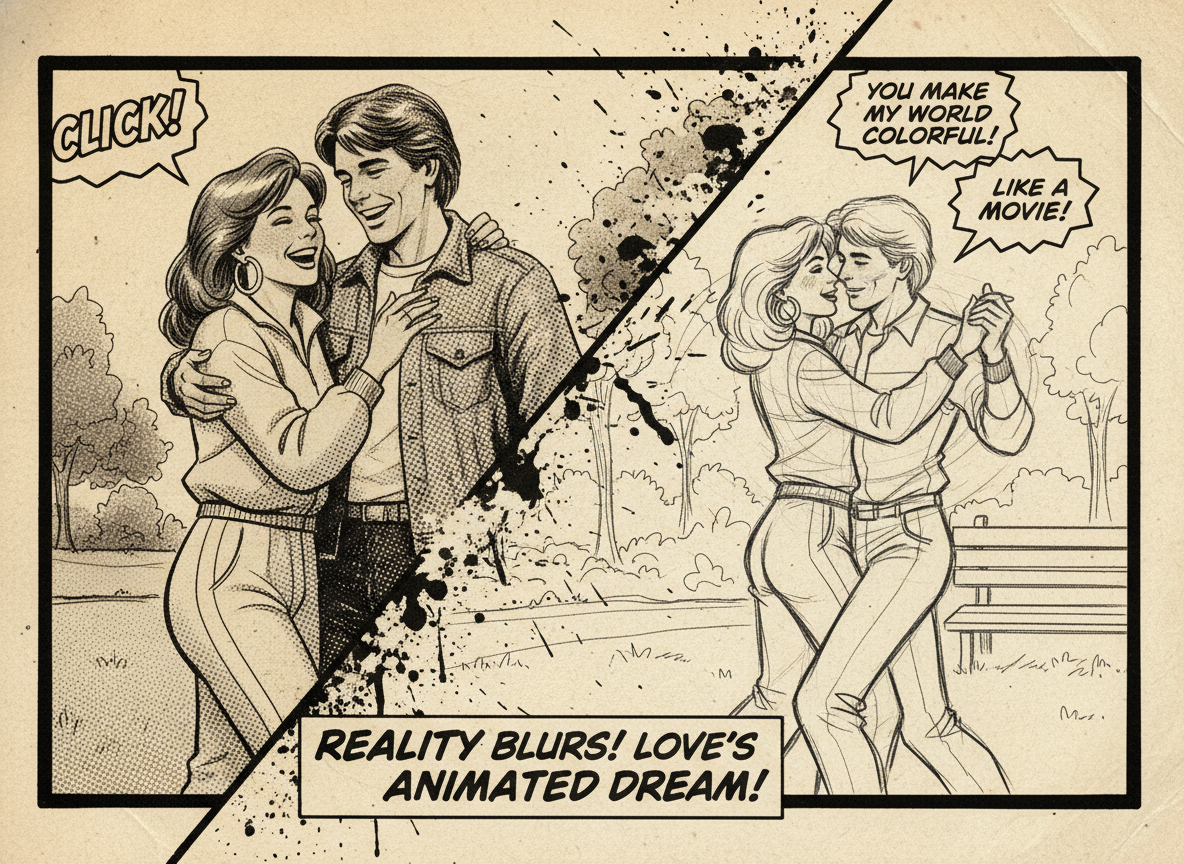
Norwegian band a-ha created magic by blending live-action with pencil-sketch animation. The rotoscoping technique required artists to trace over 3,000 frames by hand. The result was a romantic visual narrative that captivated MTV audiences worldwide.
The story follows a young woman pulled into a comic book world by her illustrated crush. The fantasy resonated deeply with Gen X, who grew up reading comics and dreaming of impossible adventures. Lead singer Morten Harket’s striking looks didn’t hurt the video’s appeal either.
Director Steve Barron took inspiration from his earlier work, but “Take on Me” perfected the approach. The seamless transitions between real life and illustration created a dreamlike quality. Each viewing revealed new artistic details in the hand-drawn sequences.
The video helped the song become a massive international hit. It topped charts in over twenty countries. The distinctive animation style influenced countless videos that followed. For many Gen Xers, this represented the perfect marriage of artistic ambition and pop sensibility.
Remember When MTV Actually Played Music?
Get weekly doses of authentic ’80s nostalgia, forgotten hits, and the stories behind the videos that defined our generation delivered straight to your inbox. Join thousands of fellow Gen Xers reliving the golden age.
4. Dire Straits – “Money for Nothing” (1985)
Dire Straits ventured into uncharted territory with computer-generated animation. The collaboration between director Steve Barron and Ian Pearson from Rushes Postproduction resulted in groundbreaking CGI that looked like nothing else on television.
The blocky, primitive-looking characters weren’t a limitation but a stylistic choice that became iconic. Those angular delivery men and musicians represented the cutting edge of digital animation technology. What seems simple today was revolutionary in 1985.
Mark Knopfler’s lyrics commented on the music industry from a working man’s perspective. The video amplified this commentary by depicting band members as CGI characters. The irony wasn’t lost on viewers – a song about money featured expensive, pioneering animation techniques.
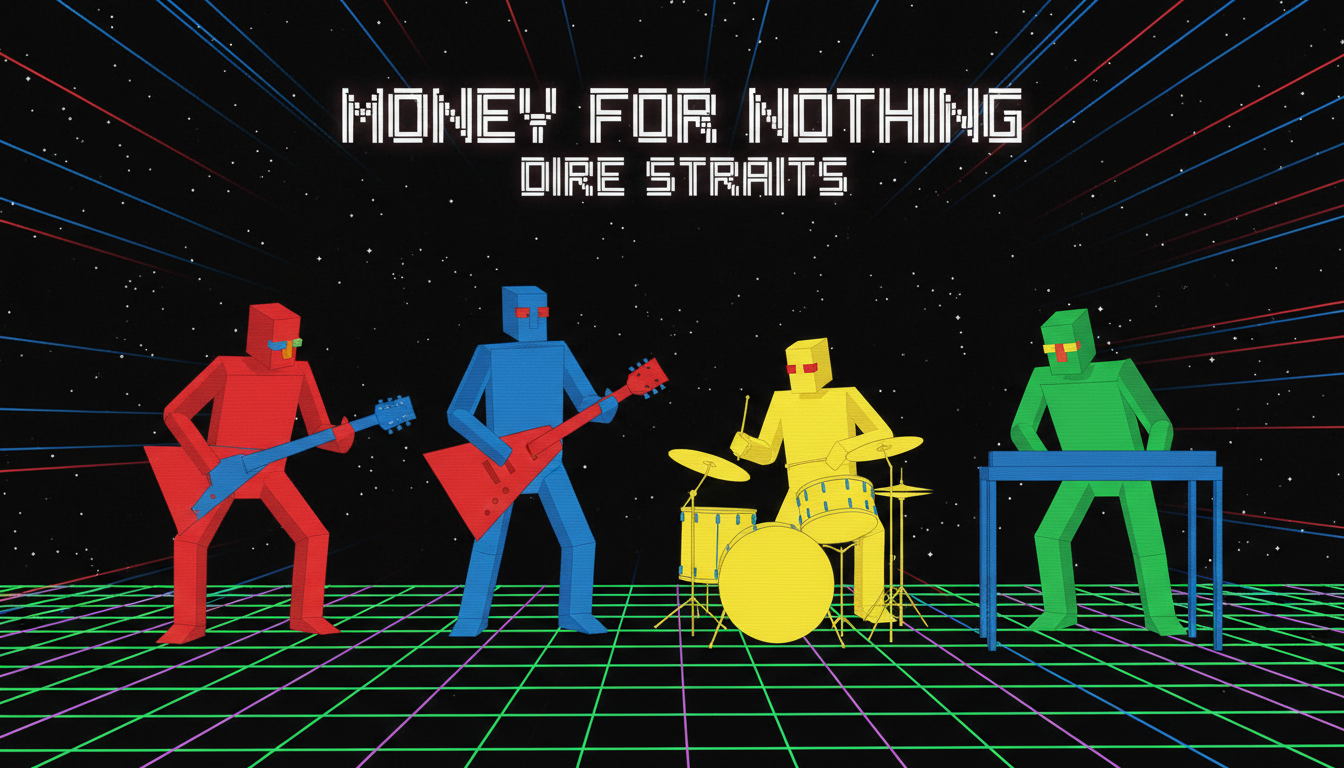
The video became one of MTV’s most played during the mid-1980s. It won Video of the Year at the 1986 MTV Video Music Awards. For Gen X technology enthusiasts, this glimpse into digital animation’s future was mesmerizing. The blend of rock authenticity with futuristic visuals captured the decade’s technological optimism.
Revolutionary Elements
- First extensive use of CGI in music videos
- Pioneered 3D character animation techniques
- Created instantly recognizable visual identity
- Influenced video game graphics development
- Demonstrated commercial viability of computer animation
Technical Limitations
- Required massive computing power for the era
- Production costs were extremely high
- Rendering time was extraordinarily long
- Limited color palette and detail possible
- Characters appeared stiff and mechanical
5. Madonna – “Like a Prayer” (1989)
Madonna sparked worldwide controversy with “Like a Prayer.” Director Mary Lambert crafted a narrative exploring religious imagery, racial injustice, and sexuality. The Vatican condemned it. Pepsi pulled a commercial. The video became one of the decade’s most discussed cultural moments.
The story follows Madonna witnessing a crime and finding refuge in a church. Burning crosses, stigmata imagery, and Madonna kissing a Black saint pushed boundaries deliberately. This wasn’t controversy for shock value alone – it addressed serious social issues through provocative symbolism.
The gospel choir brought authentic spiritual power to the track. The video intercut religious imagery with scenes depicting racism and false accusation. Madonna danced in front of burning crosses, reclaiming the symbol from hate groups. Every frame carried intentional meaning.
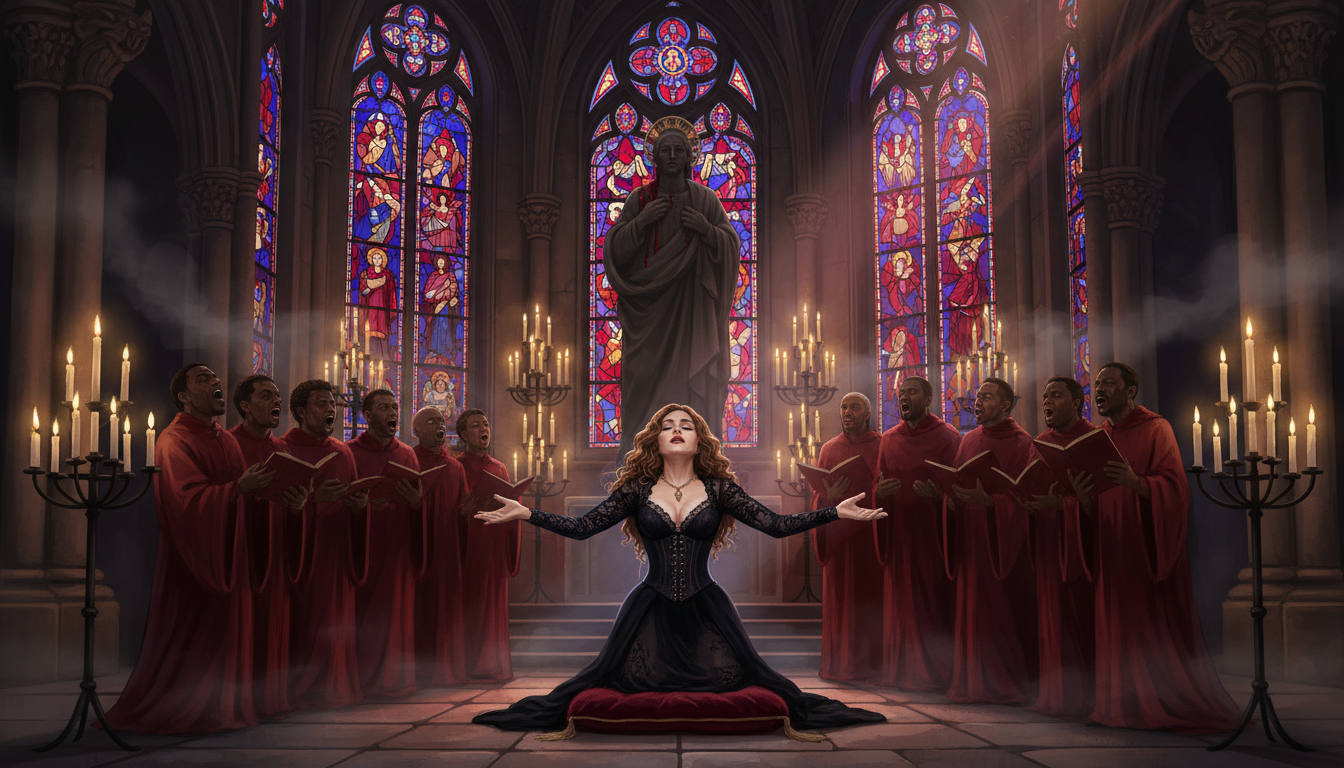
The controversy only amplified the video’s impact. MTV initially restricted its airplay to late-night hours. Religious groups organized protests. But the artistic vision and powerful message resonated with audiences. The video forced conversations about race, religion, and artistic freedom.
For Gen X, Madonna represented fearless artistic expression. She consistently pushed boundaries and refused to apologize. “Like a Prayer” exemplified her willingness to sacrifice commercial relationships for artistic integrity. The video remains one of her most powerful statements.
6. Guns N’ Roses – “November Rain” (1992)
Though released in early 1992, “November Rain” represents the culmination of 1980s rock video excess. The nine-minute epic cost over $1.5 million to produce, making it one of the most expensive music videos ever created at the time.
Director Andy Morahan created a cinematic experience spanning a wedding, elaborate concert sequences, and tragedy. Axl Rose’s piano performance in a desert was iconic. Slash’s guitar solo in front of a church became legendary. The helicopter shots and elaborate sets rivaled Hollywood productions.
The narrative drew inspiration from the short story “Without You” by Del James. A rock star’s tumultuous relationship culminates in marriage and unexpected tragedy. The ambitious storytelling required a budget and runtime that pushed industry standards to their limits.
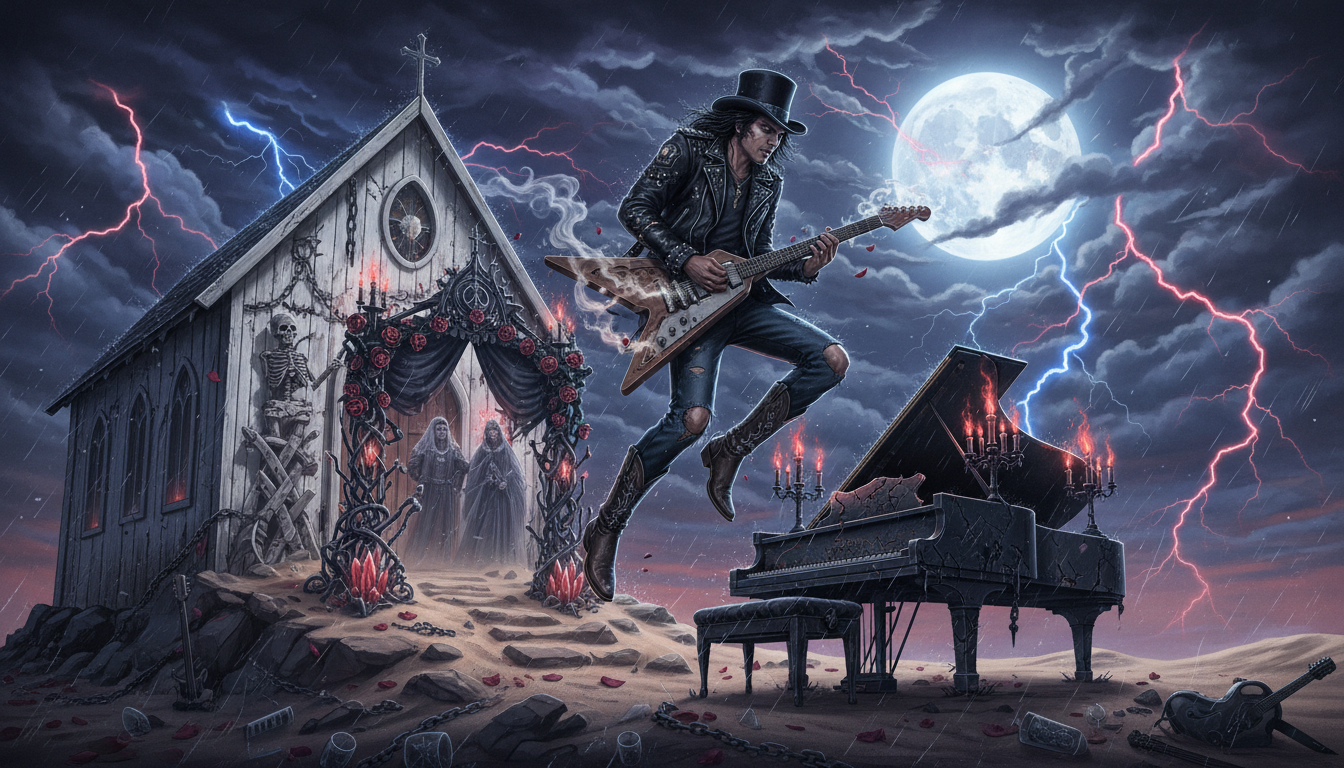
The video helped the song dominate MTV and rock radio for months. Guns N’ Roses was at their commercial peak. The band’s willingness to create such an elaborate, expensive production demonstrated rock’s mainstream dominance during the era.
Production Scale
- Shot over multiple locations with large crews
- Featured elaborate wedding scene with hundreds of extras
- Included helicopter cinematography
- Used orchestra and choir for authenticity
- Required extensive post-production work
Cultural Significance
- Epitomized rock video ambition
- Influenced power ballad video aesthetics
- Demonstrated MTV’s continued dominance
- Showcased band at their commercial peak
- Created multiple iconic visual moments
7. The Police – “Every Breath You Take” (1983)
The Police created an elegant, minimalist masterpiece with “Every Breath You Take.” Directors Kevin Godley and Lol Creme used stark black-and-white cinematography and dramatic lighting. The simplicity was deliberate and powerful.
Sting’s intense gaze into the camera created uncomfortable intimacy. The song’s lyrics, often misinterpreted as romantic, actually describe obsessive surveillance. The video’s aesthetic reinforced this darker interpretation through film noir-inspired visuals.
The band members appear separately in dramatically lit sequences. Shadows and light create geometric patterns across their faces. The technical execution was flawless. Every frame was composed with photographic precision.
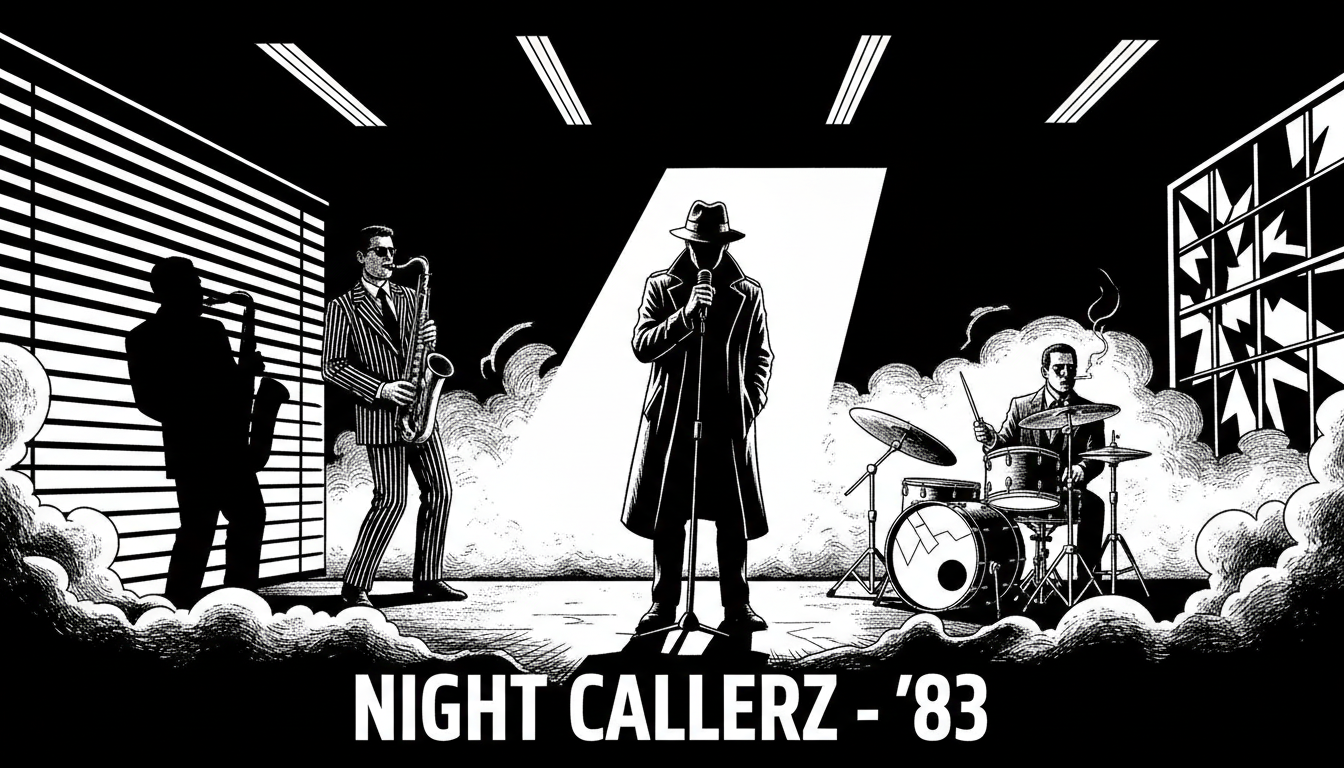
The video won Video of the Year at the inaugural MTV Video Music Awards in 1984. Its influence on music video cinematography was profound. The proof that powerful visuals didn’t require elaborate budgets or special effects inspired countless artists.
For Gen X viewers, the video’s sophistication stood apart from more flamboyant productions. The Police demonstrated that restraint and artistic vision could create equally compelling content. The song became one of the decade’s biggest hits, spending eight weeks at number one.
8. Duran Duran – “Rio” (1982)
Duran Duran epitomized New Wave glamour with “Rio.” Director Russell Mulcahy shot the video in Antigua and Sri Lanka, creating a sun-drenched fantasy of yachts, beautiful locations, and sophisticated style. The budget was substantial, and every dollar showed on screen.
The band members performed on a yacht while a mysterious woman painted. The exotic locations and fashion-forward styling established Duran Duran as style icons. MTV played the video constantly, making the band international superstars.
Mulcahy’s dynamic camera work and vibrant color palette became his signature style. The quick cuts and energetic editing matched the song’s upbeat tempo perfectly. Body-painted model Reema Ruspoli became the video’s visual centerpiece, adding artistic and exotic appeal.

The video helped establish MTV’s reputation for showcasing aspirational lifestyles. For viewers stuck in suburban America, these glimpses of exotic locations and glamorous living were intoxicating. Duran Duran became synonymous with sophisticated pop style.
MTV Impact
The success of “Rio” demonstrated music videos’ power to create star personas. The band’s carefully crafted image influenced fashion, hair styles, and attitudes. They bridged the gap between underground New Wave and mainstream pop, making alternative music accessible.
9. Cyndi Lauper – “Girls Just Want to Have Fun” (1983)
Cyndi Lauper’s breakthrough video captured pure joy and female empowerment. Director Edd Griles created a colorful celebration of individuality. Lauper’s quirky style, rainbow-bright hair, and infectious energy made her an instant icon for young women everywhere.
The narrative shows Lauper arriving home to disapproving parents before leading a parade of dancing girls through New York streets. The video celebrated female friendship and independence. Lauper’s mother actually appeared in the video, adding authentic warmth.
Wrestling legend Captain Lou Albano played her father, bringing unexpected star power. The diverse cast of women dancing through the city reflected genuine inclusivity. The energy was infectious and empowering.
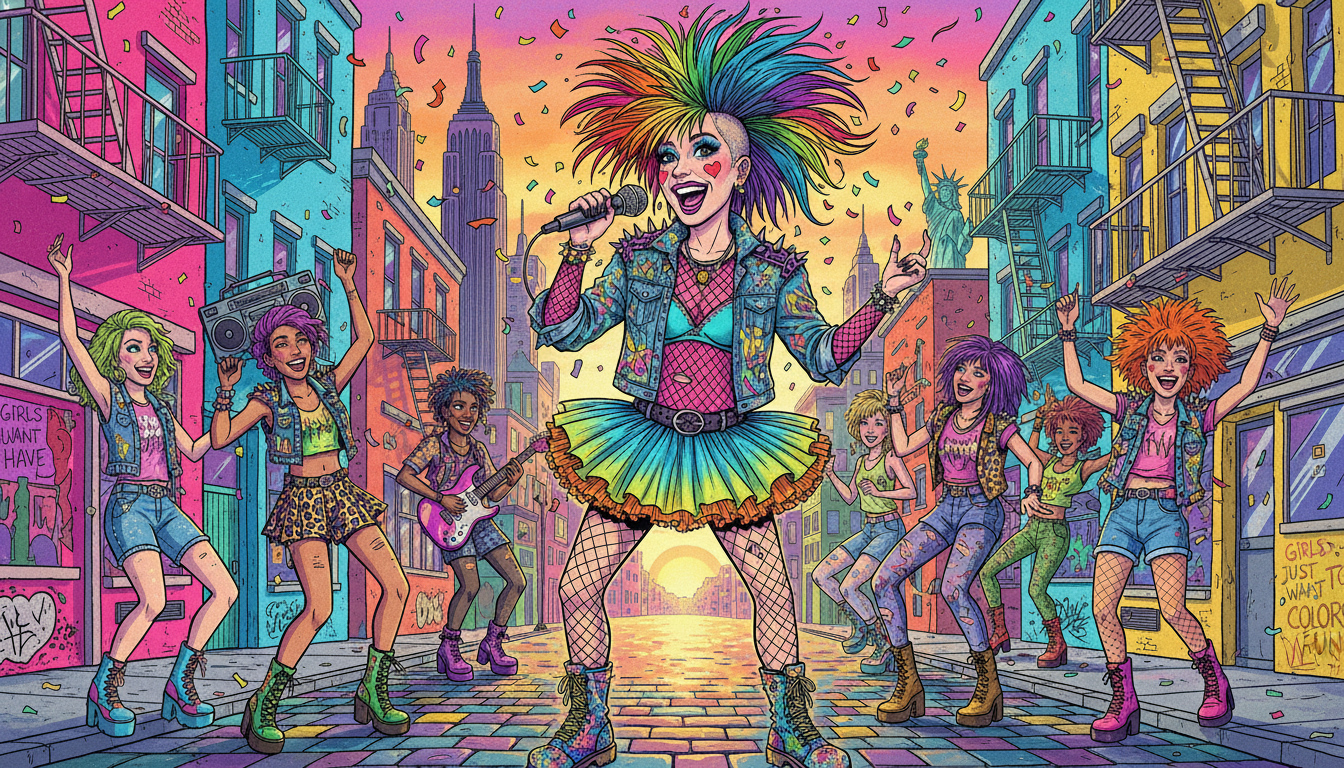
The video helped transform Robert Hazard’s original song into a feminist anthem. Lauper’s interpretation and visual presentation gave it new meaning. For Gen X women, she represented freedom to express individuality without apology.
MTV embraced the video immediately. It became one of the network’s most played videos in 1983 and 1984. Lauper won the Best Female Video award at the first MTV Video Music Awards. Her impact on fashion and music culture was immediate and lasting.
10. Genesis – “Land of Confusion” (1986)
Genesis collaborated with British satirical television show “Spitting Image” to create political commentary through puppet animation. The result was simultaneously entertaining and thought-provoking, addressing Cold War tensions and political dysfunction through exaggerated caricatures.
Grotesque latex puppets of Ronald Reagan, Margaret Thatcher, and other world leaders populated a nightmarish landscape. Phil Collins’ puppet sat in bed watching the chaos unfold on television. The satire was sharp and uncompromising.
The song’s lyrics criticized political leadership and social issues. The video amplified these themes through visual metaphor. Reagan’s puppet accidentally triggering nuclear war provided dark humor that reflected genuine Cold War anxieties.

The video became a major hit worldwide, particularly in Europe where political satire was more accepted. It won a Grammy Award nomination and received extensive MTV airplay. The bold political statement stood out among more escapist content.
For socially conscious Gen Xers, the video validated using pop culture for political commentary. Genesis demonstrated that commercial success and artistic substance weren’t mutually exclusive. The collaboration between rock band and satirical television program created something genuinely unique.
The Evolution of Music Videos in the 1980s
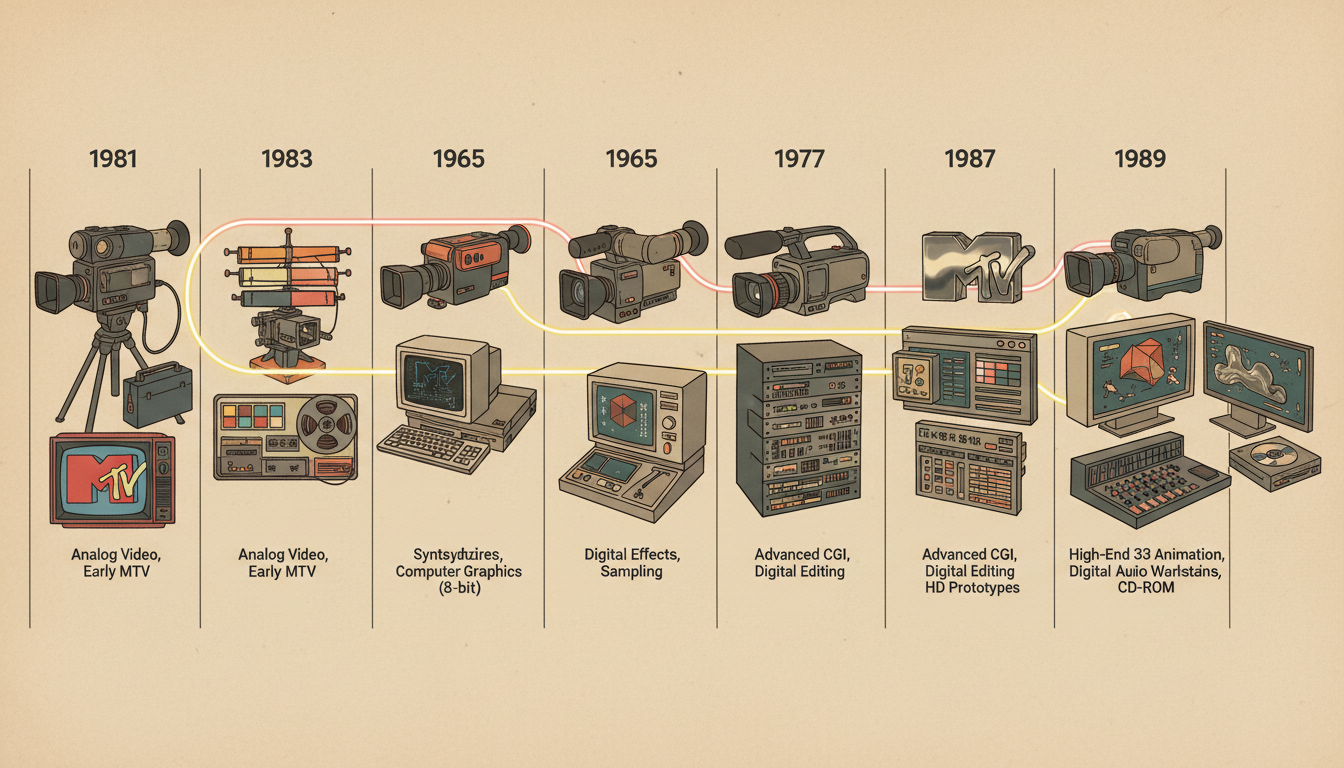
The transformation from simple performance clips to elaborate productions happened remarkably fast. When MTV launched on August 1, 1981, most videos were low-budget affairs shot in studios. Artists performed while cameras captured them from various angles.
The Buggles’ “Video Killed the Radio Star” was the first music video broadcast on MTV. It was symbolic but hardly revolutionary in production. Within just a few years, the medium evolved dramatically.
Several factors drove this rapid evolution. MTV’s success proved videos sold records. Labels allocated bigger budgets. Directors from film and advertising brought cinematic techniques. Technology advanced, making special effects more accessible.
Budget Increases
Early 1980s videos typically cost between $5,000 and $50,000 to produce. By the late 1980s, budgets of $200,000 to $500,000 became common for major artists. Michael Jackson’s “Thriller” broke the million-dollar barrier, setting new standards.
This budget inflation reflected the medium’s growing importance. A hit video could make or break an album. Artists and labels viewed video production as essential marketing investment rather than optional promotion.
Technical Innovations
Animation techniques expanded dramatically. Stop-motion, claymation, rotoscoping, and early CGI all found application in music videos. Directors experimented freely, knowing MTV would showcase innovative work.
Camera technology improved throughout the decade. Steadicam allowed smooth mobile shots. Video editing became more sophisticated. Special effects that required film lab work became achievable with video equipment.
Early Decade (1981-1984)
Characterized by experimentation and establishing conventions.
- Studio performance videos dominated
- Modest budgets and simple concepts
- Directors learning the medium
- MTV building audience
Mid Decade (1985-1987)
The golden age with massive innovation and investment.
- Budgets increased dramatically
- Narrative storytelling became standard
- Special effects widely adopted
- International production common
Late Decade (1988-1989)
Refinement and occasional excess marked this period.
- Cinematic production values expected
- Social commentary more frequent
- Genre-specific aesthetics developed
- Alternative styles emerged
Cultural Impact
Music videos became central to youth culture and identity.
- Fashion trends originated from videos
- Dance moves spread globally
- Artists became visual brands
- MTV influenced all media
Director Emergence
Certain directors became stars in their own right. Russell Mulcahy, Steve Barron, David Fincher, and others developed distinctive visual signatures. Their work was anticipated and discussed.
These directors often graduated to feature films. The music video became a training ground for cinematic talent. The compact format allowed experimentation with techniques later applied to movies.
MTV and Gen X Cultural Identity
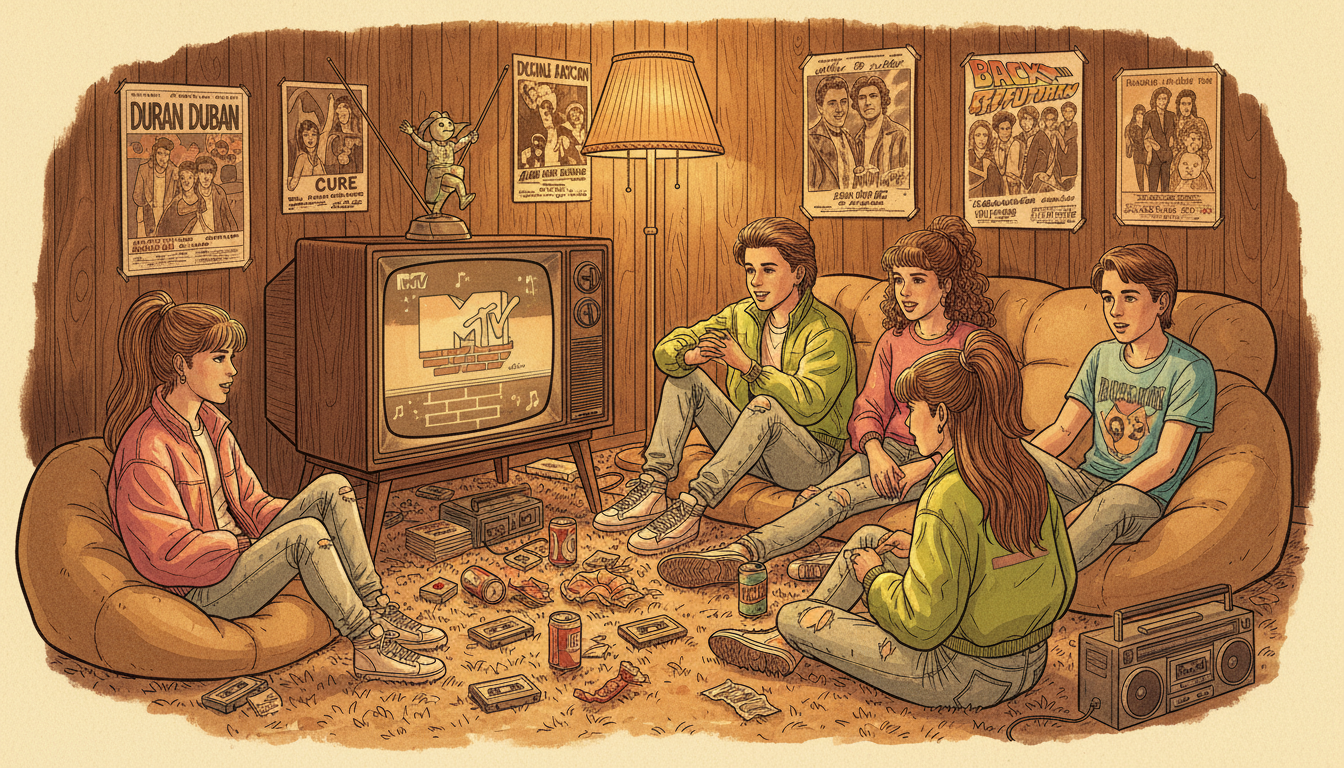
For Generation X, MTV wasn’t just a music channel. It was the primary source of cultural information. Before the internet, before social media, MTV connected young people to music, fashion, and ideas from around the world.
Coming home from school meant turning on MTV. Hours disappeared watching videos, waiting for favorites to appear. The experience was communal yet personal. Everyone watched the same content, but it spoke to individual identity formation.
MTV shaped how Gen X understood music. Visual presentation became inseparable from songs themselves. Artists needed compelling videos to achieve success. The medium favored those who understood its unique language.
Fashion Influence
Music videos dictated fashion trends instantly and completely. Madonna’s “Like a Virgin” made lace gloves and layered crosses essential accessories. Michael Jackson’s military jackets spawned countless imitations. Cyndi Lauper’s colorful eclecticism gave permission for individual expression.
Suburban malls sold approximations of video fashions. Teen magazines featured how-to articles recreating artist looks. The democratization of style accelerated. Regional differences diminished as everyone accessed the same visual references.
Dance Culture
Music video choreography spread globally with unprecedented speed. Michael Jackson’s moonwalk became universally attempted. Paula Abdul’s work with Janet Jackson established new standards. Dance became essential to pop music presentation.
School dances and parties featured moves learned from repeated video viewings. VCRs allowed frame-by-frame study. Dance studios offered classes in video-specific choreography. The integration of dance and pop music reached new levels.
Gen X Reality: We recorded favorite videos on VHS tapes, creating personal compilations. We’d hit record the moment a beloved video started, sometimes waiting hours. Those tapes were treasured possessions, worn from repeated viewing until the tape degraded.
Representation and Identity
Music videos provided visibility for marginalized identities. Artists of color, women, LGBTQ performers, and others found platforms for representation. This visibility mattered deeply to young viewers seeking reflections of themselves.
Videos also reinforced stereotypes and problematic representations. The medium’s power cut both ways. Critical consumption became necessary as awareness grew about objectification and limited diversity.
Gen X learned to negotiate these contradictions. We loved the music while questioning the messaging. This critical engagement shaped generational media literacy that persists today.
Technology and Creativity in 1980s Music Videos
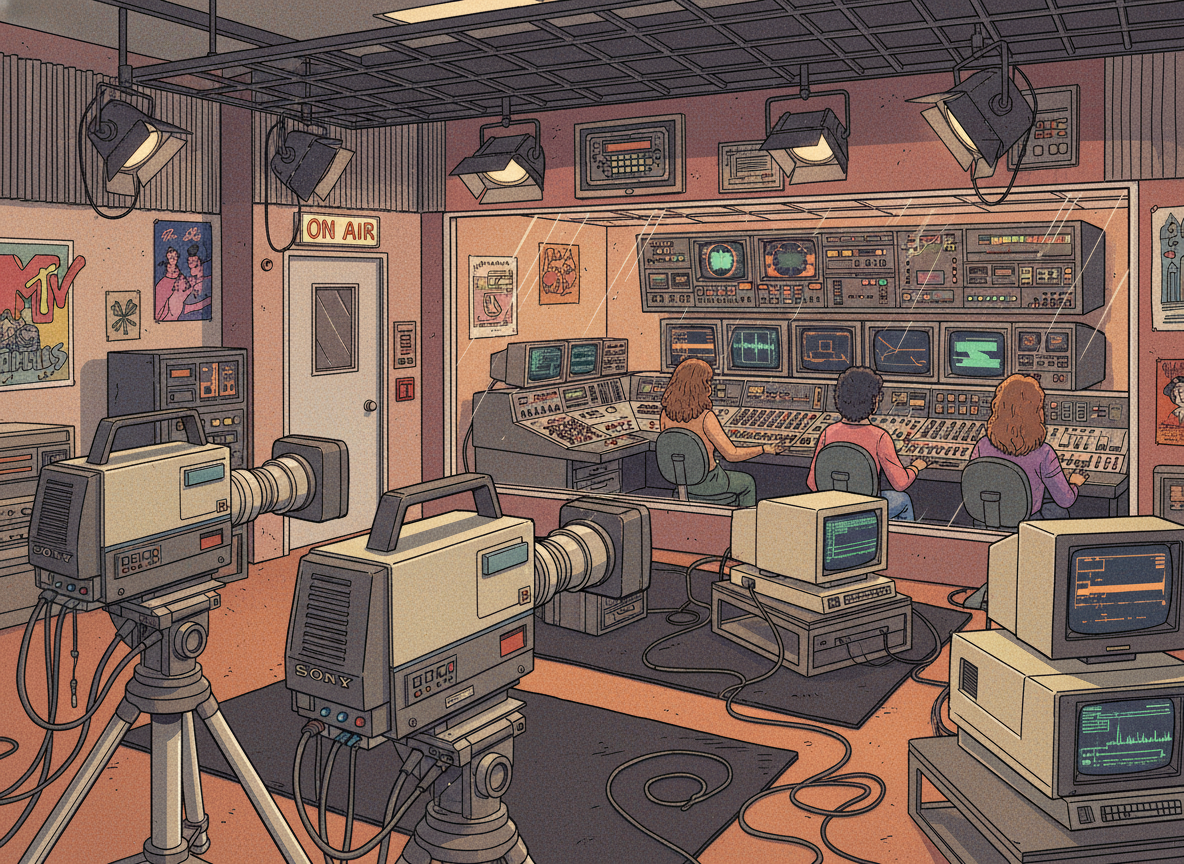
The technological limitations of the 1980s paradoxically fueled creativity. Directors couldn’t rely on unlimited digital effects. Practical effects, innovative camera work, and creative problem-solving produced memorable visuals.
Video editing was linear and time-consuming. Editors physically cut and spliced tape. Computer effects required expensive dedicated equipment. Every visual trick demanded technical skill and planning.
Practical Effects
Many iconic video moments used practical in-camera effects. Forced perspective, creative lighting, and physical props created illusions. The tangible quality of these effects gave videos distinctive character.
Peter Gabriel lying under glass for “Sledgehammer” exemplifies this approach. The physical discomfort was real. The animators worked directly above him. No digital trickery was possible.
Early Computer Graphics
Computer-generated imagery was in its infancy. The Quantel Paintbox, introduced in 1981, allowed digital image manipulation. The cost was prohibitive, limiting use to high-budget productions.
Dire Straits’ “Money for Nothing” pushed CGI boundaries. The rendering required industrial computers. Each frame took hours to process. The blocky aesthetic reflected technological constraints.
Technical Note: A single minute of CGI animation in “Money for Nothing” required approximately three weeks of continuous computer processing time on high-end workstations. Total production time exceeded four months.
Animation Techniques
Traditional animation found new applications. Rotoscoping, used since early film, was perfected in videos like “Take on Me.” Stop-motion animation gained prominence. Claymation became associated with innovative music videos.
These techniques were labor-intensive. Thousands of individual frames required hand-crafting. The dedication produced unique visual styles impossible to achieve through other means.
Film vs. Video
Shooting on film provided superior image quality but increased costs dramatically. Video was cheaper but looked less cinematic. Directors chose based on budget and desired aesthetic.
High-budget productions like “Thriller” shot on 35mm film for theatrical quality. Most videos used video formats. The technical differences were visible, contributing to each video’s distinctive look.
Controversies and Boundaries Pushed
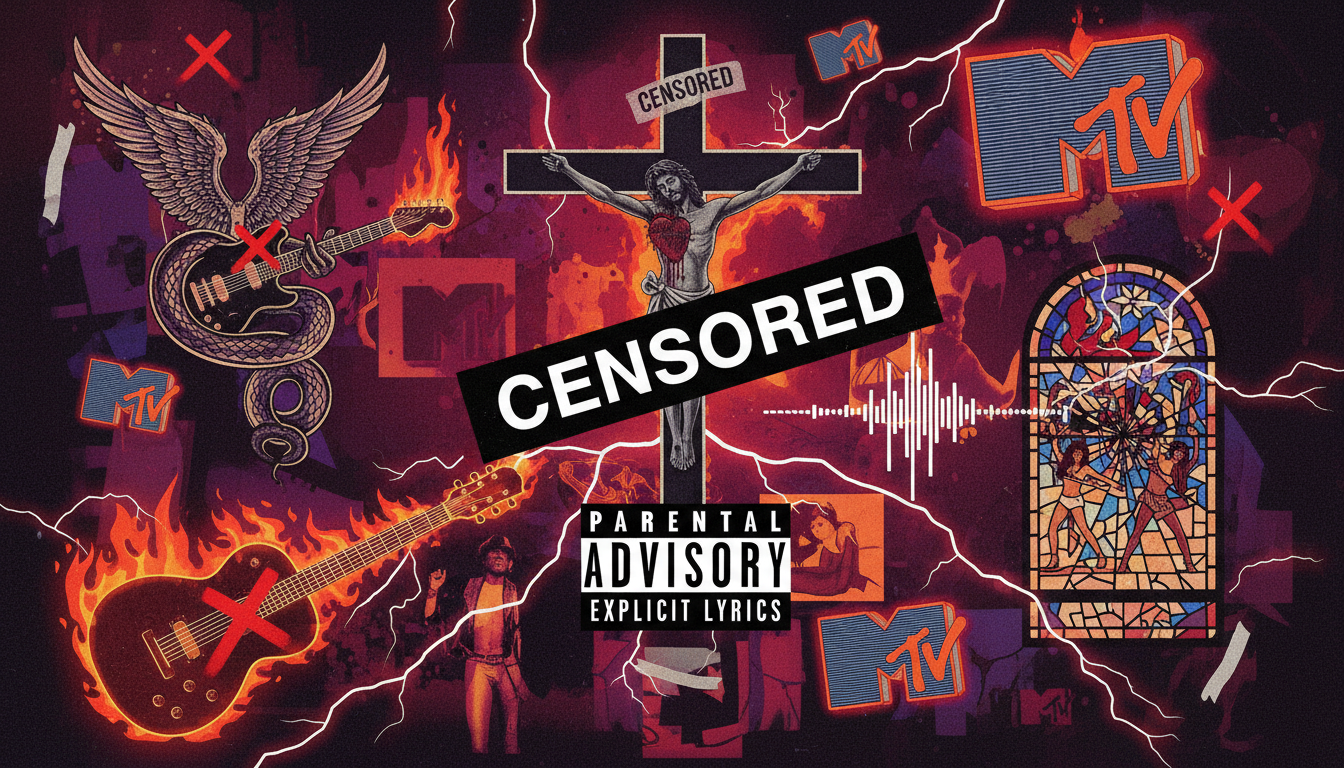
The 1980s music video era was marked by constant boundary-pushing. Artists tested limits of acceptable content. MTV struggled with where to draw lines. Parents and advocacy groups protested regularly.
Sexual content sparked frequent controversy. Madonna’s videos consistently challenged norms. “Justify My Love” was banned from MTV entirely in 1990. The commercial benefits of controversy weren’t lost on artists.
Religious Imagery
Madonna’s “Like a Prayer” generated the decade’s biggest religious controversy. The Vatican’s condemnation and Pepsi’s withdrawal demonstrated the real-world stakes. Yet the controversy amplified the video’s reach exponentially.
Other artists incorporated religious imagery more subtly. The line between artistic expression and blasphemy was constantly negotiated. For Gen X viewers, these controversies raised questions about censorship and artistic freedom.
Violence and Dark Themes
Heavy metal videos pushed boundaries with violent and occult imagery. Ozzy Osbourne, Judas Priest, and others faced accusations of corrupting youth. The Parents Music Resource Center (PMRC) targeted music videos specifically.
The resulting Congressional hearings in 1985 brought music video content into political discourse. Warning labels and restricted airplay times resulted. The generational divide over music video appropriateness reflected broader cultural tensions.
Gender and Sexuality
Representation of women in videos ranged from empowering to objectifying. The male gaze dominated many productions. Female artists fought for creative control to present alternative visions.
Videos like Cyndi Lauper’s “Girls Just Want to Have Fun” offered feminist perspectives. Others reinforced traditional gender roles and sexual objectification. The tension between these approaches sparked ongoing discussions.
Historical Context: Many 1980s music videos contain imagery and themes that would be considered problematic today. Viewing them requires understanding the historical context while acknowledging evolved standards around representation and consent.
Racial Representation
MTV faced criticism for limited diversity in early years. Michael Jackson’s success helped break racial barriers. Prince, Whitney Houston, and other Black artists gained visibility. Yet systemic bias persisted.
The network’s initial resistance to playing “Billie Jean” reflected industry racism. Jackson’s unprecedented success forced change. The evolution from near-total exclusion to substantial representation happened within a few years.
Lasting Impact on Music Industry
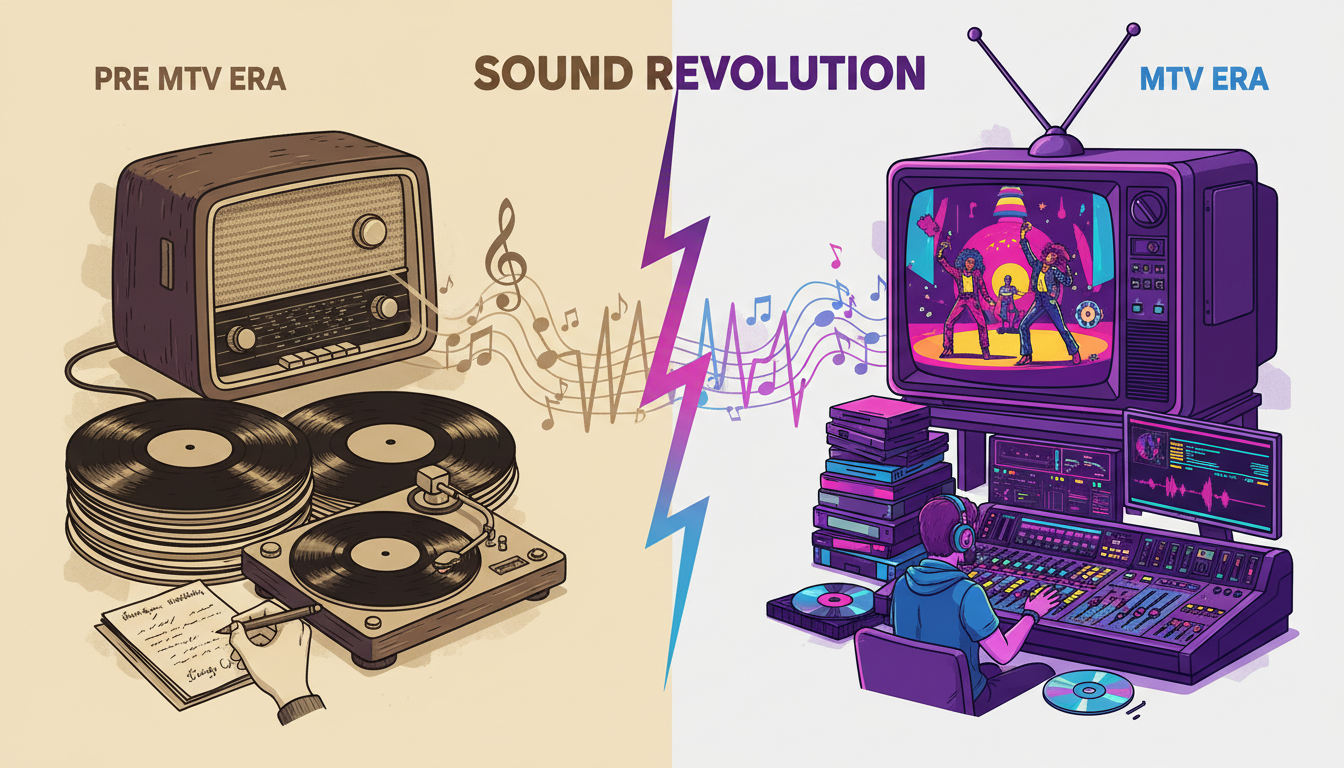
The 1980s music video revolution permanently altered the music industry’s structure and priorities. Visual presentation became mandatory for commercial success. Artists without compelling visual identities struggled regardless of musical talent.
Record labels restructured around video production. Budgets allocated for video creation grew exponentially. A&R departments considered visual potential when signing artists. The industry had fundamentally transformed.
Marketing Transformation
Music videos became the primary promotional tool. Radio remained important, but visual presence on MTV was essential. Album release strategies built around video premieres. The music video drove sales more effectively than traditional advertising.
International markets opened through MTV’s global expansion. Artists could reach worldwide audiences simultaneously. Regional success translated to international careers faster than ever before.
Artist Development
New artists faced higher barriers to entry. Musical talent alone was insufficient. Visual concepts, choreography, styling, and screen presence became essential skills. The complete package was required.
Established artists from pre-MTV eras struggled adapting. Some embraced the medium successfully. Others found their careers diminishing despite unchanged musical abilities. Visual era demanded visual performers.
Genre Impact
Different genres adapted unevenly to video dominance. Pop and new wave thrived. Rock struggled initially before finding video-friendly approaches. Hip-hop embraced videos enthusiastically, using them for cultural expression.
MTV’s format preferences influenced which genres received exposure. Visually dynamic styles benefited. Complex or understated music faced challenges. The medium shaped musical aesthetics themselves.
Industry Statistics
By 1987, record labels spent an estimated $150-200 million annually on music video production. Videos accounted for up to 20% of total album marketing budgets for major releases.
- MTV reached 30 million households by 1985
- Video production costs increased 400% from 1981-1989
- Artists with regular MTV rotation saw 30-40% higher album sales
- International video distribution grew 500% during the decade
Career Trajectories
Music videos created careers overnight. A-ha went from unknown Norwegian band to global superstars based largely on “Take on Me.” Duran Duran’s visual appeal propelled them beyond new wave niche.
Conversely, talented musicians without video-friendly qualities faced limited opportunities. The democratization promised by punk era gave way to new barriers requiring significant resources.
Production Directors Who Shaped the Era
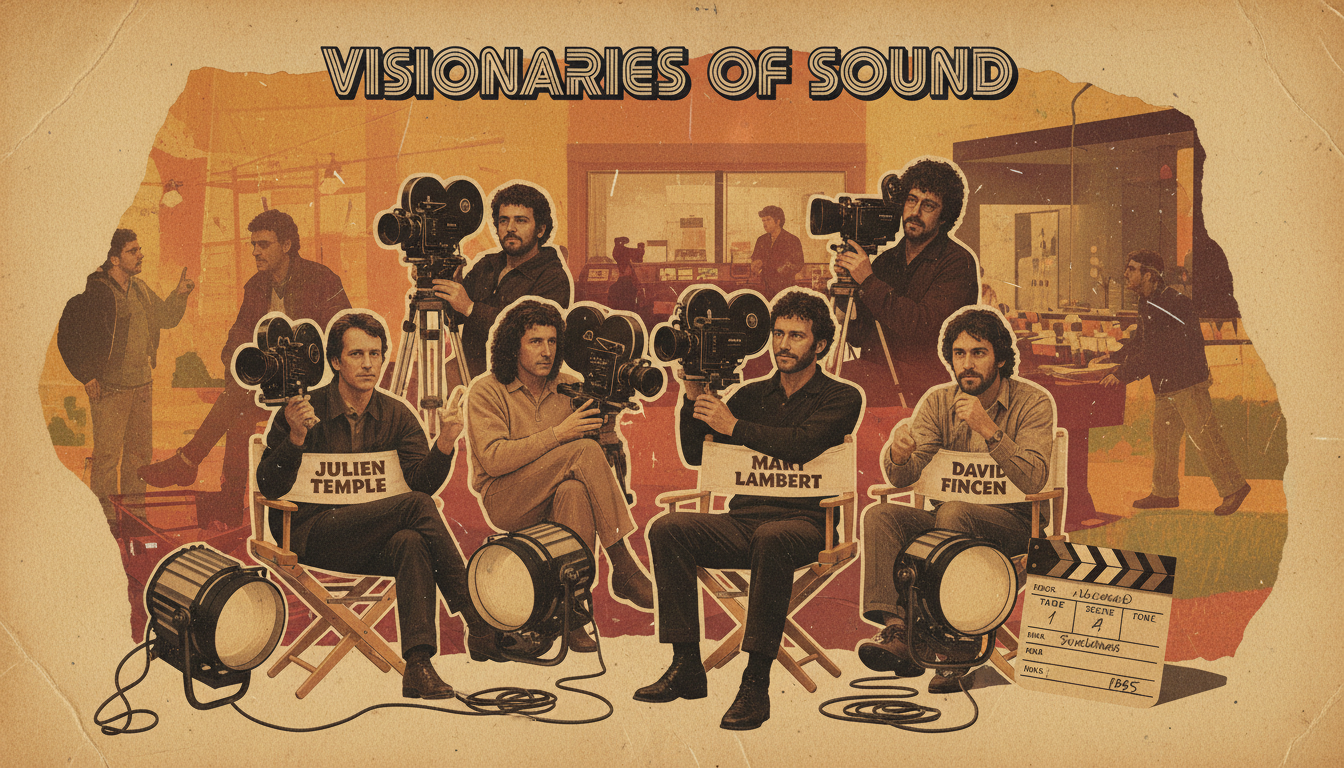
While artists received recognition, directors were the creative visionaries translating songs into visual experiences. Several directors established signatures that defined the era’s aesthetic.
Russell Mulcahy
The Australian director brought cinematic techniques and exotic locations to music videos. His work with Duran Duran established the band’s glamorous image. Quick cuts, dramatic camera movements, and vibrant colors characterized his style.
Mulcahy directed over 300 music videos during the 1980s. His commercial success led to feature film opportunities. The transition from music videos to movies became a common career path he helped establish.
Steve Barron
Innovation defined Barron’s approach. From “Take on Me’s” rotoscoping to “Money for Nothing’s” CGI, he constantly pushed technical boundaries. His willingness to experiment with new technologies produced groundbreaking results.
Barron understood that music videos required different storytelling than film. The compressed timeframe demanded immediate visual impact. His narrative efficiency influenced both music videos and later commercial advertising.
David Fincher
Before directing “Fight Club” and “The Social Network,” Fincher crafted innovative music videos. His meticulous attention to detail and dark aesthetic stood out. Videos for Madonna, Aerosmith, and others showcased his emerging talent.
Fincher’s music video work demonstrated serious artistic ambition. The medium attracted talented filmmakers who used it as both income source and creative laboratory.
Mary Lambert
Lambert directed Madonna’s most iconic videos including “Like a Prayer” and “Material Girl.” Her feminist perspective and willingness to embrace controversy aligned perfectly with Madonna’s artistic vision.
As one of few prominent female directors in the field, Lambert proved women could succeed in the male-dominated industry. Her work influenced how female artists presented themselves visually.
Directorial Innovation
- Brought film school techniques to music videos
- Established visual signatures and personal styles
- Collaborated closely with artists on concepts
- Pushed technical boundaries consistently
- Created template for music video as art form
These directors elevated music videos from promotional afterthoughts to legitimate art form. Their creative ambition attracted studio investment. The medium’s prestige grew as talented filmmakers contributed their skills.
Many 1980s video directors went on to successful film careers. The music video served as both training ground and portfolio. Hollywood studios recruited from music video ranks regularly by decade’s end.
Gen X Nostalgia and Modern Relevance
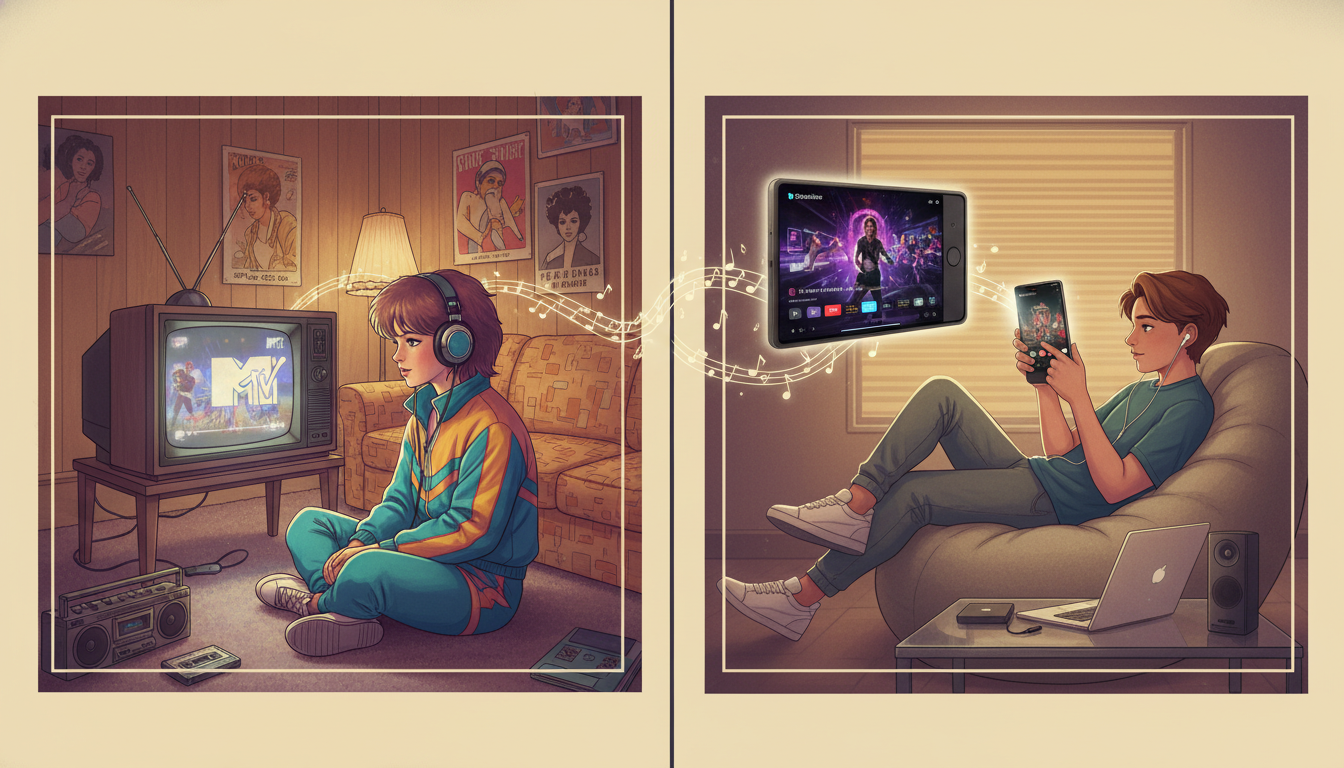
For Gen X, these music videos represent more than entertainment history. They’re formative memories that shaped cultural identity. The songs remain embedded in collective consciousness. The visuals are instantly recognizable decades later.
Nostalgia for the 1980s has become a cultural force. Movies, television shows, and music draw inspiration from the decade’s aesthetic. Gen X’s cultural touchstones influence younger generations’ understanding of the era.
Streaming Era Differences
Modern music consumption differs fundamentally from the MTV era. On-demand streaming replaces scheduled programming. Viewers choose content rather than waiting for rotation. The communal experience is lost.
Yet music videos remain important. YouTube serves similar functions to MTV. Visual presentation still drives artist success. The medium evolved but didn’t disappear.
Production Value Shifts
Contemporary music videos often surpass 1980s productions in technical sophistication. Digital effects enable previously impossible visuals. Budgets can exceed movie productions.
However, unlimited technical possibilities don’t guarantee creative success. Some modern videos lack the innovative spirit that defined the 1980s. Technology replaced by more technology doesn’t always improve artistry.
Cultural Legacy
The 1980s established templates still used today. Narrative videos, performance videos, conceptual videos all trace lineage to that era’s innovations. Directors and artists built vocabulary that remains relevant.
References to 1980s videos appear constantly in contemporary culture. Homages, parodies, and direct quotations acknowledge the era’s influence. New artists recognize they’re building on established foundations.
“MTV didn’t just change how we consumed music. It changed how we understood ourselves. Every video was a glimpse into possible identities we could try on. It was transformative in ways that streaming can never replicate.”
Preservation and Access
Digital archiving has made 1980s music videos widely accessible. YouTube hosts thousands of videos from the era. Younger generations can explore the decade’s visual culture comprehensively.
This accessibility creates interesting dynamics. Gen X nostalgia meets genuine discovery by younger viewers. The videos stand on their own merits while carrying historical significance.
The Enduring Power of 1980s Music Videos
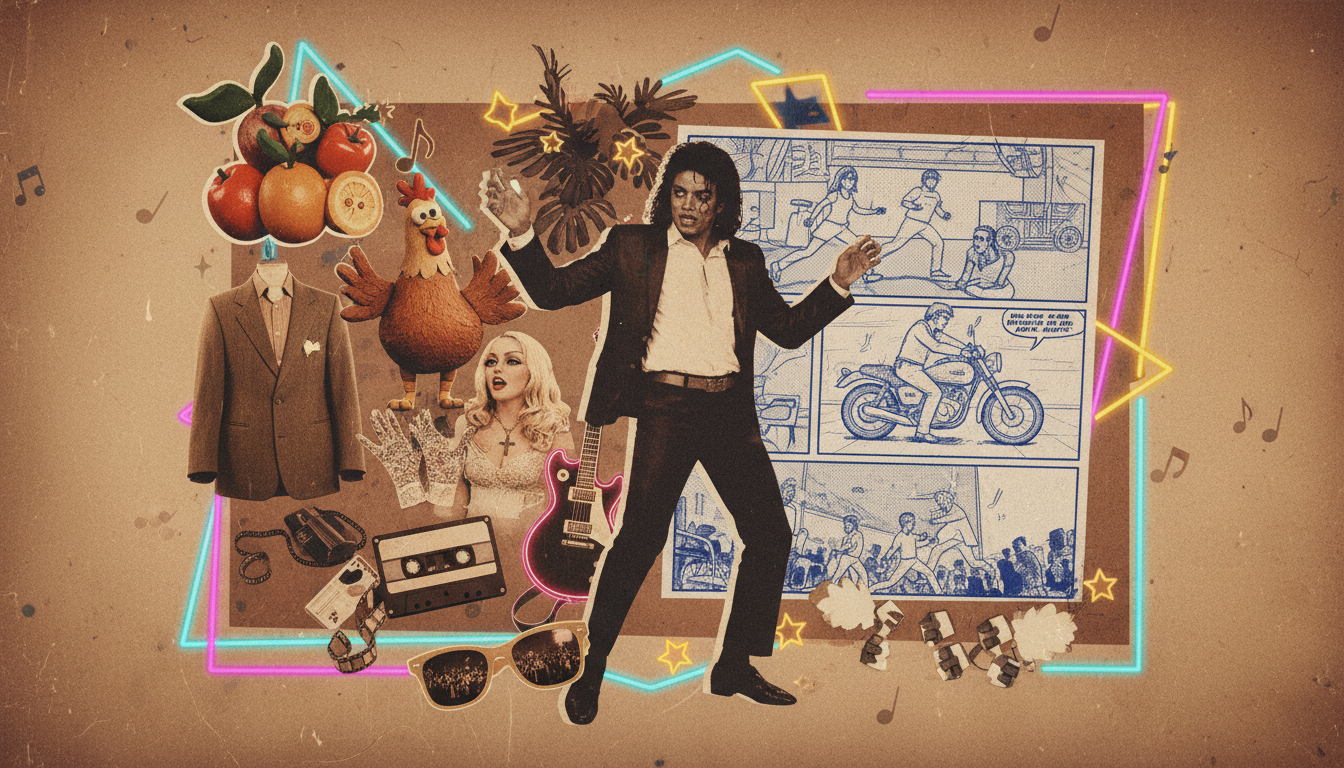
These ten music videos represent the peak of a unique cultural moment. MTV’s dominance, technological innovation, and artistic ambition converged to create something unprecedented. For Gen X, they weren’t just videos but cultural education.
The medium emerged, flourished, and transformed within a single decade. What began as promotional afterthought became art form. Directors, artists, and audiences collaboratively built a new visual language.
Looking back across decades, these videos retain their power. The creativity born from technological limitations produced work that digital abundance hasn’t surpassed. The human ingenuity solving production challenges created memorable, distinctive visuals.
For those who lived through the era, these videos trigger immediate emotional responses. The songs transport us to specific moments in our youth. The visuals remain crisp in memory despite years passed.
Younger generations discovering these videos through streaming platforms encounter them differently. Historical artifacts rather than contemporary culture. Yet the artistry transcends era. Good work remains compelling regardless of when created.
The 1980s music video era won’t be replicated. The specific conditions that created it no longer exist. Scheduled programming, limited channels, and appointment viewing have vanished. But the creative legacy endures.
These ten videos earned their place through innovation, cultural impact, and artistic achievement. They represent the best of what the medium accomplished. They defined a generation’s visual vocabulary. They changed music forever.
Share Your ’80s Music Video Memories
Which video defined your generation? What moment from MTV do you remember most vividly? Connect with thousands of fellow Gen Xers sharing their stories and discovering forgotten gems from the era that shaped us.
The videos documented here influenced everything that followed. Modern artists reference them constantly. Film directors cite them as inspiration. The ripple effects continue spreading outward.
For Gen X, revisiting these videos provides more than nostalgia. It’s reconnecting with the cultural moments that formed our identities. These weren’t just songs with pictures. They were our companions through adolescence and young adulthood.
The decade gave us unprecedented visual creativity. Artists and directors willing to experiment created work that still astonishes. The medium was young, the possibilities seemed endless, and the results were extraordinary.
These ten music videos stand as monuments to that creative explosion. They represent different aspects of what made the era special. From Michael Jackson’s cinematic ambition to Genesis’s political satire, from Peter Gabriel’s animation innovation to Madonna’s controversial artistry, each video contributed something essential.
The 1980s were when music became truly visual. When artists became complete performers. When videos became as important as the songs themselves. These ten exemplars showed what the medium could achieve at its peak.