

Planning a trip to Black Rock City starts with a simple question: the phrase above points to ticket prices, travel, gear, and the surprise purchases that hit first-timers. This week-long desert city demands self-reliance, so most spending happens before you arrive.
In this buyer’s guide, you’ll see clear cost categories: tickets, vehicle pass, travel, lodging, camp dues, gear, and food/water. We’ll compare ranges, flag places where expenses balloon (RVs, late bookings), and offer sample totals to help you benchmark.
Expect budgeting to look like a planned trip, not a festival weekend. Where you sleep, how you get to the Black Rock desert, and whether you borrow or buy gear are the biggest levers. Remember: part of the culture is to prepare rather than rely on on-playa purchases.
For extra prep tips and event planning details, check this event prep guide.
Key Takeaways
- Budget includes tickets, vehicle pass, travel, lodging, gear, and food/water.
- Most costs occur before arrival; on-playa buys are limited.
- Sleeping arrangements and transport drive big price differences.
- Compare options early to avoid steep last-minute fees.
- Use the sample totals in this guide to estimate your personal expenses.
What “Total Cost” Really Means at Burning Man in Black Rock City
Your real tab includes more than admission: it spans transport, shelter, water, and safety supplies. In practice, total budget covers tickets, a vehicle pass, travel to Nevada, camp dues, gear to handle dust and heat, food and a week of water, plus post-trip cleanup.
The event is not a typical festival where you buy food and drinks on site. You spend time preparing for a remote, temporary metropolis. That means weeks of shopping, packing, and testing gear so basic needs hold up under desert conditions.
Planning matters. Last-minute buys on playa are limited and expensive. Running out of water, shade, batteries, or lighting can create real safety problems for you and other people.
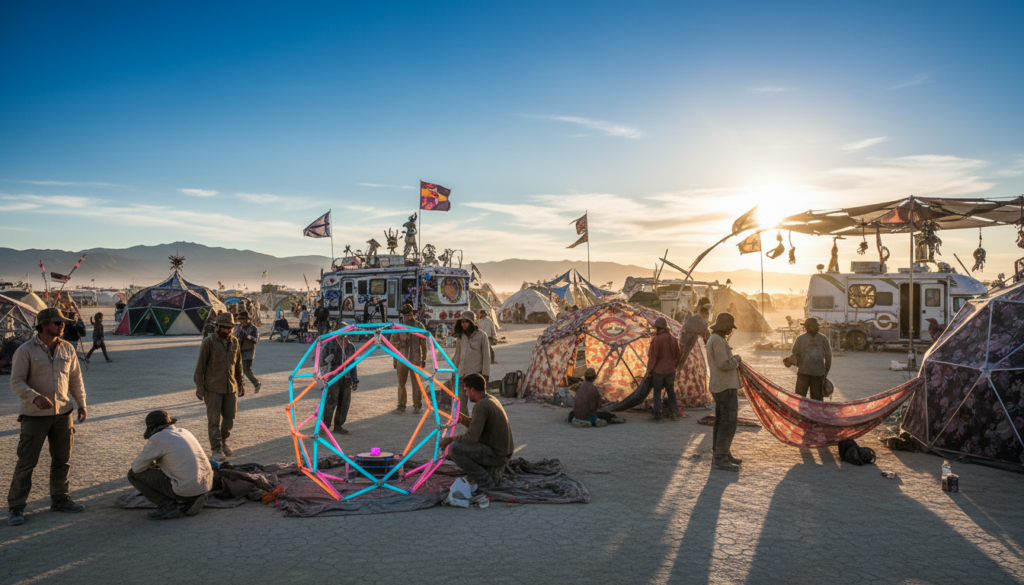
What you can buy on the playa: mostly ice and coffee, occasional treats, and charitable give-away items. What you cannot rely on is a vendor network for essentials; money rarely solves gear gaps once inside the city.
- Bring: shelter, water for a week, shade, lighting, dust masks, and spare parts.
- Expect hidden costs from dust, wind, and heat — add ruggedized gear and backups.
- Community matters: many expenses are shared through camps, not vendors.
| Cost Category | Examples | Why it matters |
|---|---|---|
| Transport & Vehicle Pass | Gas, rentals, $150 vehicle pass | Gets you to the playa and parked safely |
| Shelter & Shade | Tent, hexayurt, shade structures | Comfort and survival in heat and dust |
| Water & Food | Week-long supply, cooking gear | Avoids dangerous shortages |
| Playa-Proofing Gear | Goggles, masks, tarps, duct tape | Protects equipment and people |
Burning Man Tickets: Price Tiers, Sale Windows, and What You’re Paying For
The ticket path is tiered, timed, and limited — plan for both chance and timing.

Tier snapshot for 2025: $550, $650, $750, $950, $1,500, and $3,000. Each tier is offered in limited quantities, so the exact price you secure depends on availability during sale windows.
Sale windows and registration
Key dates: the TOMORROW Sale on April 30, 2025 (pre-register April 21–29) and the OMG Sale on July 30, 2025 (registration July 21–29). Pre-registration is required for both events.
Purchase limits and resale safety
Orders are capped at two tickets and one vehicle pass per purchase. This affects couples, groups, and campmates who must coordinate purchases across multiple transactions.
Why prices vary
Reported production costs were about $749 per person in 2024. That figure often gets cited as a ~ $750 breakeven point. Higher-priced tiers help subsidize lower tiers so the event can cover infrastructure and services.
“Tickets fund the infrastructure that builds Black Rock City for the week — from safety and sanitation to roads and art support.”
- Limited quantities: Popular tiers sell out fast; budget-minded buyers may need to join later sales or STEP.
- STEP: The Secured Ticket Exchange Program offers a safer path for transfers than sketchy resale sites.
- What you pay for: city infrastructure, safety teams, toilets, medical, and large-scale art logistics.
| Item | 2025 Example | Notes |
|---|---|---|
| Low tier | $550–$750 | Limited; often targeted by budget attendees |
| Mid tier | $950–$1,500 | Balances availability and subsidy |
| High tier | $3,000 | Helps cover costs for the whole event |
Mandatory Entry Costs Beyond the Ticket: Vehicle Pass, Taxes, and Fees
A ticket gets you in, but several required charges follow before you arrive at the playa. These extras are small individually, yet they matter when you finalize your budget.
What is mandatory: a vehicle pass, taxes, and site fees appear at checkout and at the gate. The official vehicle pass is $150 per vehicle for 2025. Purchases are subject to taxes and additional fees, and only one vehicle pass may be bought per transaction.
Splitting the vehicle pass
Groups commonly split the vehicle pass several ways. Divide evenly by person, split by seat, or apportion by how much gear each traveler brings. Even non-driving attendees share this line item when planning with others.
Taxes, fees, and a small buffer
Expect taxes and transaction fees on top of the $150 sticker. Add a simple buffer so you don’t under-budget. Fees vary by payment method, so plan an extra 5–10% to be safe.
- One pass per vehicle: limits purchases and affects coordination when multiple buyers are involved.
- Fewer vehicles: lowers total passes needed but can complicate packing and comfort in a car or van.
| Item | Example | Per-person math |
|---|---|---|
| Vehicle pass | $150 | 4 people → $37.50 each |
| Taxes & fees | ~5–10% | Budget a small buffer |
| Purchase limit | 1 pass/transaction | Coordinate buyers |
Bottom line: lock the vehicle pass and fees into your plan early. They are unavoidable and easy to divide, so include them as a fixed line item in your trip budget.
How Much Does Burning Man Cost for Travel to Nevada and Getting to Black Rock?
Choosing your arrival hub can change both dollars spent and stress on arrival. Reno is the closest major airport and usually means a shorter final drive into rock city.
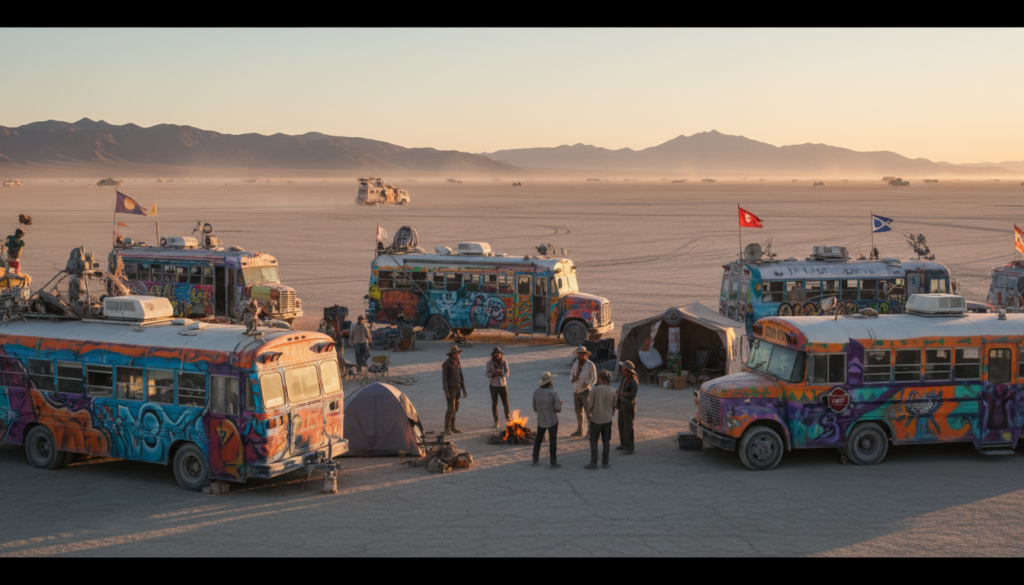
Flying into Reno vs. San Francisco or Los Angeles
Reno cuts drive time — about two hours to the desert without traffic. Bigger hubs like San Francisco or Los Angeles often offer cheaper international fares and allow RV pickups.
Drive time planning and practical alternatives
Sacramento is a useful mid option with roughly a 4.5-hour drive to the playa. Drive time is more than miles; expect delays at gate check and exodus day congestion.
Gas, rideshares, and hotel nights
Budget for round-trip gas, possible rideshares between airport and supply stops, and one or two pre/post hotel nights. Add a time buffer for weather or missed connections.
“Pick the travel plan that fits your group: shorter drives save energy, while big hubs may lower airfare and let you collect an RV.”
| Option | Typical Drive | Best for | Notes |
|---|---|---|---|
| Reno | ~2 hours | Short final leg, lower stress | Closest airport to rock city; good for small vehicles |
| San Francisco / Los Angeles | 6+ hours | Cheap international fares, RV pickup | Useful if renting large vehicles or bundling supplies |
| Sacramento | ~4.5 hours | Practical compromise | Lower travel time than SF/LA, sometimes cheaper than Reno |
| Common add-ons | — | All travelers | Gas, rideshares, hotel nights, time buffer |
Tip: compare total travel time, vehicle needs, and group comfort when you plan the trip. For gas-saving tactics, see ways to cut fuel spend.
Biggest Budget Variable: Where You Sleep (Tent, Hexayurt, Van, or RV)
Where you sleep on the playa is the single biggest lever in your budget and comfort. Your shelter choice shapes spending on cooling, power, and dust control.
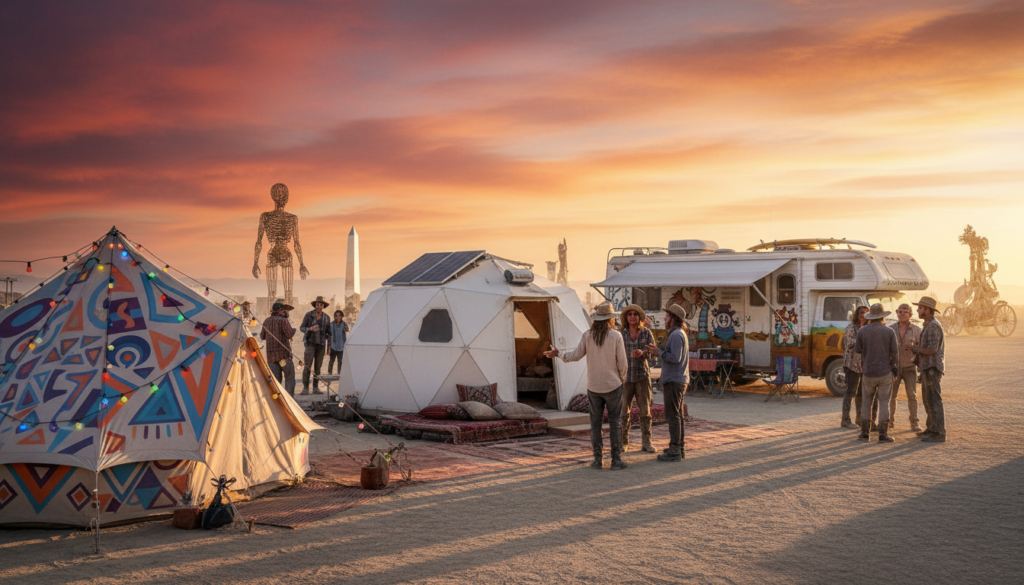
Common options and comfort trade-offs
Tents are the cheapest and simplest. They need tarps, sealed bins, and regular cleaning from dust.
Vans give more privacy and a bit of temperature control but still require ventilation and storage planning.
Hexayurts sit between tents and RVs. They offer solid walls, can accept a split AC, and are often cheaper when costs are shared.
RV reality check
Rentals commonly run $4,000–$9,000 for the week. Prices climb fast near the event, so late bookings carry a premium.
Hexayurt setup example
A past attendee borrowed a yurt free (new ≈ $600, used ≈ $150). Shared purchases included $111 for hooks/rope/tape, $180 for a split AC, and $20 for an extension lead.
Generator access often comes via campmates, which cuts individual spend and adds power reliability.
- Dust changes everything: seal seams, store gear in bins, and plan extra cleaning time.
- Camp coordination: many people join camps or friends to split shelters, power, and water.
- Practical tip: choose the simplest setup that still lets you sleep well — rest makes the week enjoyable.
For longer-term comfort and packing ideas, see these glamping packing tips.
Camp Dues and Community Costs: What Camps Can Add to Your Burning Man Budget
Joining an organized camp can shift much of your prep work into a single shared line item.
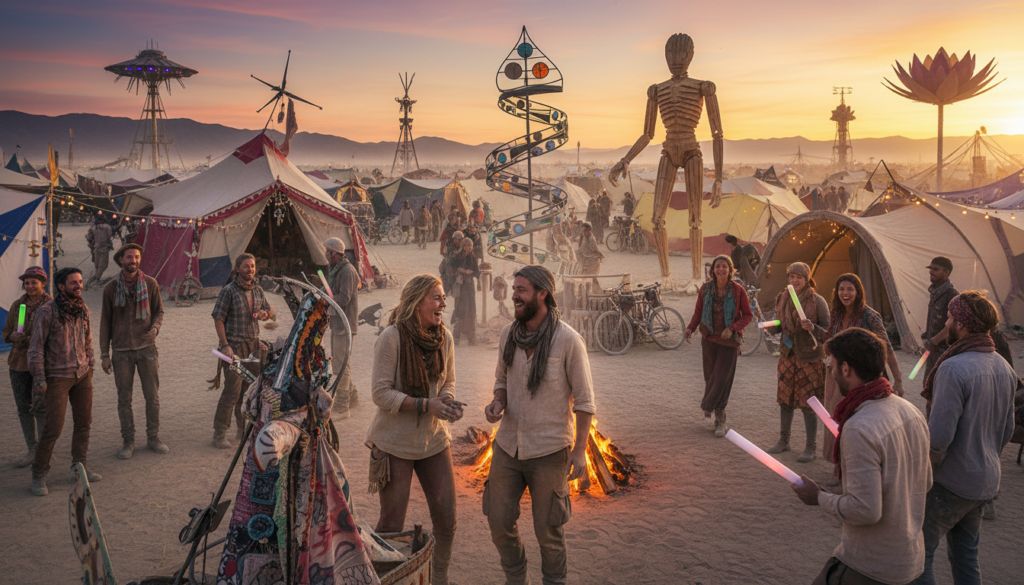
What camp dues are (and aren’t): dues typically fund shared infrastructure, interactivity, and logistics—not VIP service. They pay for big-ticket items that a person alone would struggle to source or transport.
A common baseline is about $500 per person. That figure is a realistic starting point for budgeting. Some camps charge far less. Others add fees when they provide extensive services.
When camps scale up
Large camps can reach near six-figure budgets. Infrastructure items like generators, showers, trucks, long-term storage, and professional sound or lighting push totals high.
Take Agave Lounge as an example: carpeted geodesic domes, a gifting bar that served 20,000–30,000 drinks, a major sound system, and onsite medical supplies. These features need significant funding and logistics.
Evaluate value: dues can lower your individual burden by sharing shade, tools, and power. But they also add a major line item to your plan. Ask what is included and what you must still bring, such as water, food, or a bike.
- Ask early: what the camp covers and what work shifts you agree to.
- Check for hidden fees: transport, storage, and fuel surcharges are common.
- Consider fit: community contribution often equals participation, not mere convenience.
| Line Item | Typical Example | Why it matters |
|---|---|---|
| Camp dues per person | $500 (baseline) | Funds shared infrastructure and supplies |
| Large camp infrastructure | Generators, showers, trucks | Can push budgets toward six figures |
| Camp-provided amenities | Shade, power, medical, sound | Reduces individual purchases and packing |
| Personal responsibilities | Water, food, bike, work shifts | Still required even with dues |
Food, Water, Gear, and “Playa Proofing” Your Week in the Dust
A tight shopping list for food, water, and gear is the single best insurance policy for a week at Black Rock City. Prepare before you enter the city because on-playa buys are mostly limited to ice and coffee.
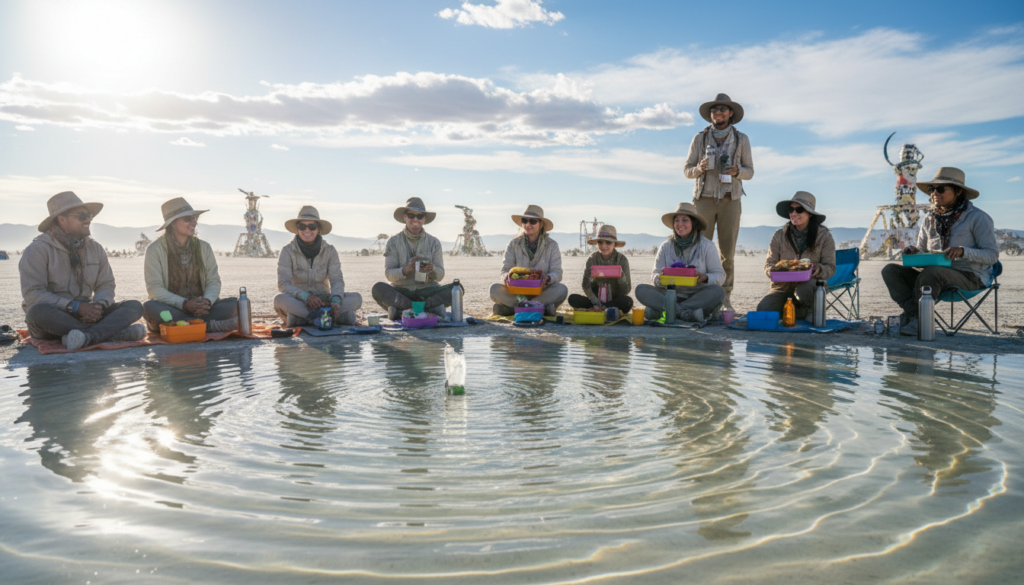
Build a real week-long food and water plan
Match your plan to actual habits. If you snack frequently, pack ready-to-eat calories. If you cook, include fuel and a simple cooker.
A practical baseline from past attendees: bike and lock ($100), food and water ($150), cooker + fuel ($60), pharmacy items ($30), plus a small cash buffer for ice or emergencies.
Bike, lock, and getting around the city
Black Rock City is bike-centric. A sturdy bike and a reliable lock are must-have items. Good lights and reflectors protect you and others at night.
Health, hygiene, and dust management
Packing a basic pharmacy kit helps: blister care, electrolytes, sunscreen, and wet wipes for quick cleanups when showers aren’t available.
Dust-proofing saves time and gear: goggles, masks, sealed bins, extra socks, and cleaning wipes keep your camp functional.
Nighttime safety and buyer-minded reminders
Invest in dependable lights for your body and bike. These purchases reduce collisions and stress. Because you can’t run to a store on the playa, choosing reliability over the cheapest option often saves money and hassle.
“Spending a bit more on reliable lights, locks, and containers pays back in safety and peace of mind.”
| Item | Example Cost | Why it matters |
|---|---|---|
| Water (week supply) | $50–$80 | Hydration is non-negotiable in desert heat |
| Food & cooker | $60–$150 | Simple meals and fuel prevent mid-week shortages |
| Bike & lock | $80–$120 | Primary transport around the city |
| Dust & hygiene kit | $30–$60 | Goggles, masks, wipes, and first aid |
For extra comfort and packing ideas, check this beach glamping resource to adapt gear choices for a desert week.
Real-World Cost Breakdowns: What People Actually Spent to Attend Burning Man
Concrete numbers from past attendees give clear targets for your trip plan. Below are two real-world breakdowns that show how choices change totals and the experience you get in Black Rock City.
International attendee example — ~ $2,600
Summary: this London-to-playa example kept spending focused and practical.
Ticket + share of vehicle pass: ~$300. Flights and ground transport: ~$1,200. Prep and supplies (bike, water, basic gear): ~$600. Misc buffer and last-minute buys: ~$500.
High-comfort couple example — ~ $8,000
Summary: choices for comfort and style multiply expenses quickly.
Two tickets + one vehicle pass: ~ $1,500 total. RV rental: $4,000–$6,000. Camp dues and shared services: $1,000. Food, water, outfits and extras: ~$1,500.
“Comfort choices like RVs and elaborate outfits are the biggest levers — they turn a practical trip into a high-comfort experience.”
Ticket and pass snapshot: for many couples the baseline is roughly $1,500 for two tickets plus one vehicle pass. Use that as your entry-floor when modeling budgets.
Prep categories that add up fast: costumes and outfits, a cash buffer for ice or emergencies, cooker gear, and last-minute errands. These are easy to underestimate but very common.
| Example | Major line items | Typical range | Why it matters |
|---|---|---|---|
| International solo / duo | Flight, ticket share, gear, buffer | $2,000–$3,000 | Balanced travel and prep, lower on-site spend |
| High-comfort couple | Tickets, RV, camp dues, outfits | $6,500–$9,000 | Comfort and services raise totals fast |
| Ticket + pass snapshot | Two tickets + one vehicle pass | ~$1,500 | Baseline entry cost for couples |
| Fast-add prep items | Costumes, cooker, bike, cash buffer | $300–$1,500 | Often last-minute and overlooked |
Why these examples matter: they help you pick a realistic target. Start with your preferred comfort level, then work backward to decide where to save and where to spend for the rock city week.
For a sample camp-focused sleep option and related planning, see bell tent sleepover.
How to Lower Your Burning Man Costs Without Undercutting the Experience
Thoughtful sharing and early bookings cut big spikes in vehicle and RV pricing. Use planning to keep your price and fees predictable, and protect the vibe that makes the week special.

Book early
Rental companies raise rates as the event approaches. Booking vehicles or RVs early saves significant fees and prevents last-minute stress.
Tip: lock in reservations and confirm cancellation terms to avoid surprise charges.
Share strategically
Split fuel, a vehicle pass, shade structures, and generators with campmates. Sharing reduces per-person costs and lowers the number of vehicles arriving on playa.
Borrow and buy used
Buy used Hexayurt parts, AC units, bikes, and storage bins. Borrow heavier items from friends or camps to avoid duplicate spending on things you’ll only use for days.
Budget for Leave No Trace
Packing out trash, post-trip cleaning, and dust-related repairs are real fees. Set aside a small contingency for disposal or professional cleaning.
| Smart move | Example saving |
|---|---|
| Early vehicle booking | Lower rental price, fewer premium fees |
| Share gear | Split fuel and pass costs |
| Buy used | Hexayurt parts and bikes at a fraction of retail |
| Plan Leave No Trace | Avoid fines and post-trip service charges |
“Being prepared is part of being a good neighbor on playa.”
Simple planning tips: keep a shared spreadsheet, list who brings which items, and hold a small fund for joint fees. That way burners save money without cutting essentials or the communal spirit.
Conclusion
Decide your comfort level early; that choice sets most line items in motion. Your total equals a ticket plus mandatory add‑ons, travel, shelter, and self‑reliance supplies — with optional camp dues or upgrades layered on top.
Plan first, buy later. Anchor your checklist to official ticket info and sale windows so missing a date doesn’t force expensive last‑minute changes. Lock essentials like a vehicle pass and travel early.
Next step: draft a simple line‑item estimate, then trim it by sharing gear, buying used, and booking ahead. For a quick packing angle, see this glamping primer.
Budgeting isn’t about limiting the experience — it’s about arriving prepared so you can join the community fully. Revisit this article each year as tiers and dates update.
FAQ
What does “total cost” really include for attending Burning Man in Black Rock City?
What ticket price tiers should I plan for and when are sales held?
Are there mandatory fees beyond the ticket?
What travel options make the most sense for getting to the playa?
How does choice of sleeping setup affect my budget?
What are camp dues and why do they matter?
How should I budget for food, water, and playa-proof gear?
Do people share expenses and how can that reduce the price per person?
What are realistic total budgets people report spending?
FAQ
What does “total cost” really include for attending Burning Man in Black Rock City?
Total cost covers more than a ticket. Expect ticket price, a vehicle pass, travel to Nevada, camp dues, food, water, shelter (tent, RV, or hexayurt), gas, gear to playa-proof your items, and shared infrastructure like generators. Most purchases on the playa are limited to ice, coffee, or emergency supplies, so plan to be largely self-reliant.
What ticket price tiers should I plan for and when are sales held?
Recent tiers have ranged roughly from 0 to ,000 depending on the sale type and availability. Major windows include the main sale, a TOMORROW-style sale, and an OMG last-chance sale. Tickets are limited per order—typically two per purchase—so plan your purchase timing and backup options.
Are there mandatory fees beyond the ticket?
Yes. You’ll need a vehicle pass (often around 0 per vehicle) and there are taxes and service fees added at checkout. Groups usually split the vehicle pass among riders to lower per-person expense.
What travel options make the most sense for getting to the playa?
Flying into Reno is the shortest final leg, but San Francisco and Los Angeles can offer cheaper or more frequent flights. Consider drive time from Reno or Sacramento, and budget for gas, rideshares, and one or two hotel nights before or after your desert leg.
How does choice of sleeping setup affect my budget?
Accommodation is a major variable. Tents and shared shade are cheapest; hexayurts or converted vans raise cost but improve comfort. RV rentals commonly fall in the ,000–,000 range for a week, while a DIY hexayurt plus generator and AC is a moderate-cost, comfortable option when shared.
What are camp dues and why do they matter?
Many camps charge dues to cover group costs: shade, infrastructure, showers, food prep, and fuel. Typical dues can be around 0 per person but vary widely. Large city-style camps can reach six-figure budgets for infrastructure and logistics, so dues help keep things running.
How should I budget for food, water, and playa-proof gear?
Stock a full week of water and nonperishable food before arrival. Factor in a cooler, ice runs, stove, fuel, utensils, bike and lock, dust masks, wet wipes, and secure lighting for night travel. These items add up quickly, so shop and pack early to spread cost.
Do people share expenses and how can that reduce the price per person?
Yes. Sharing an RV, splitting fuel, dividing the vehicle pass, and pooling camp gear or generators significantly lowers per-person spend. Joining a camp and coordinating purchases reduces redundancy and cuts costs on bulk items.
What are realistic total budgets people report spending?
Reports vary: an international attendee might spend around ,600 including ticket, vehicle pass share, travel, and prep. A couple seeking high comfort—RV, camp dues, and extras—could reach about ,000 for the trip. A typical couple’s ticket and pass snapshot often totals roughly
FAQ
What does “total cost” really include for attending Burning Man in Black Rock City?
Total cost covers more than a ticket. Expect ticket price, a vehicle pass, travel to Nevada, camp dues, food, water, shelter (tent, RV, or hexayurt), gas, gear to playa-proof your items, and shared infrastructure like generators. Most purchases on the playa are limited to ice, coffee, or emergency supplies, so plan to be largely self-reliant.
What ticket price tiers should I plan for and when are sales held?
Recent tiers have ranged roughly from $550 to $3,000 depending on the sale type and availability. Major windows include the main sale, a TOMORROW-style sale, and an OMG last-chance sale. Tickets are limited per order—typically two per purchase—so plan your purchase timing and backup options.
Are there mandatory fees beyond the ticket?
Yes. You’ll need a vehicle pass (often around $150 per vehicle) and there are taxes and service fees added at checkout. Groups usually split the vehicle pass among riders to lower per-person expense.
What travel options make the most sense for getting to the playa?
Flying into Reno is the shortest final leg, but San Francisco and Los Angeles can offer cheaper or more frequent flights. Consider drive time from Reno or Sacramento, and budget for gas, rideshares, and one or two hotel nights before or after your desert leg.
How does choice of sleeping setup affect my budget?
Accommodation is a major variable. Tents and shared shade are cheapest; hexayurts or converted vans raise cost but improve comfort. RV rentals commonly fall in the $4,000–$9,000 range for a week, while a DIY hexayurt plus generator and AC is a moderate-cost, comfortable option when shared.
What are camp dues and why do they matter?
Many camps charge dues to cover group costs: shade, infrastructure, showers, food prep, and fuel. Typical dues can be around $500 per person but vary widely. Large city-style camps can reach six-figure budgets for infrastructure and logistics, so dues help keep things running.
How should I budget for food, water, and playa-proof gear?
Stock a full week of water and nonperishable food before arrival. Factor in a cooler, ice runs, stove, fuel, utensils, bike and lock, dust masks, wet wipes, and secure lighting for night travel. These items add up quickly, so shop and pack early to spread cost.
Do people share expenses and how can that reduce the price per person?
Yes. Sharing an RV, splitting fuel, dividing the vehicle pass, and pooling camp gear or generators significantly lowers per-person spend. Joining a camp and coordinating purchases reduces redundancy and cuts costs on bulk items.
What are realistic total budgets people report spending?
Reports vary: an international attendee might spend around $2,600 including ticket, vehicle pass share, travel, and prep. A couple seeking high comfort—RV, camp dues, and extras—could reach about $8,000 for the trip. A typical couple’s ticket and pass snapshot often totals roughly $1,500 before travel and supplies.
Which prep categories add unexpected costs?
Costly surprises include elaborate costumes, last-minute gear runs, specialized kitchen or medical supplies, air conditioning units for shade structures, and fees for trash disposal or storage. Building a small cash buffer helps cover these extras.
What practical ways exist to lower overall spending without sacrificing the experience?
Book early to avoid surge pricing on vehicles and RVs, share gear and splits with campmates, buy used items like bikes or hexayurt parts, and borrow where possible. Plan for Leave No Trace needs to avoid fines and cleanup fees, and prioritize purchases that improve safety and comfort.
Are there any on-playa purchases I should expect to rely on?
On-playa options are limited. Most participants buy only ice, coffee, or emergency supplies from vendors. Don’t count on buying major items in the desert—bring what you need or arrange with your camp beforehand.
,500 before travel and supplies.
Which prep categories add unexpected costs?
Costly surprises include elaborate costumes, last-minute gear runs, specialized kitchen or medical supplies, air conditioning units for shade structures, and fees for trash disposal or storage. Building a small cash buffer helps cover these extras.
What practical ways exist to lower overall spending without sacrificing the experience?
Book early to avoid surge pricing on vehicles and RVs, share gear and splits with campmates, buy used items like bikes or hexayurt parts, and borrow where possible. Plan for Leave No Trace needs to avoid fines and cleanup fees, and prioritize purchases that improve safety and comfort.
Are there any on-playa purchases I should expect to rely on?
On-playa options are limited. Most participants buy only ice, coffee, or emergency supplies from vendors. Don’t count on buying major items in the desert—bring what you need or arrange with your camp beforehand.