
This short guide aims to help readers understand safe steps that reduce puffiness and make clothing feel more comfortable.
Day-to-day scale changes are often due to fluid shifts. The human body is about 60% water, and small swings are normal even when fat mass stays the same.
The article previews practical levers: mindful sodium, refined carb and glycogen effects, steady hydration, gentle movement, electrolyte balance, and cautious diuretic use when appropriate.
Important safety note: sudden swelling or rapid gains over a few days can signal a medical issue. Seek prompt medical advice if that happens.
These strategies focus on trimming excess fluid while avoiding dehydration and electrolyte imbalance. Expect short-term shifts and learn to spot true fat loss versus transient changes.
Key Takeaways
- Fluid shifts often drive quick scale changes; they are usually temporary.
- Manage sodium and refined carbs to help reduce puffiness.
- Stay hydrated and support electrolytes for safe results.
- Move daily with light activity to encourage normal fluid balance.
- If swelling is sudden or severe, get medical help right away.
- For snack and comfort tips that fit these goals, see healthy comfort snack options.
Water Weight vs. Fat Gain: What “Water Retention” Really Means
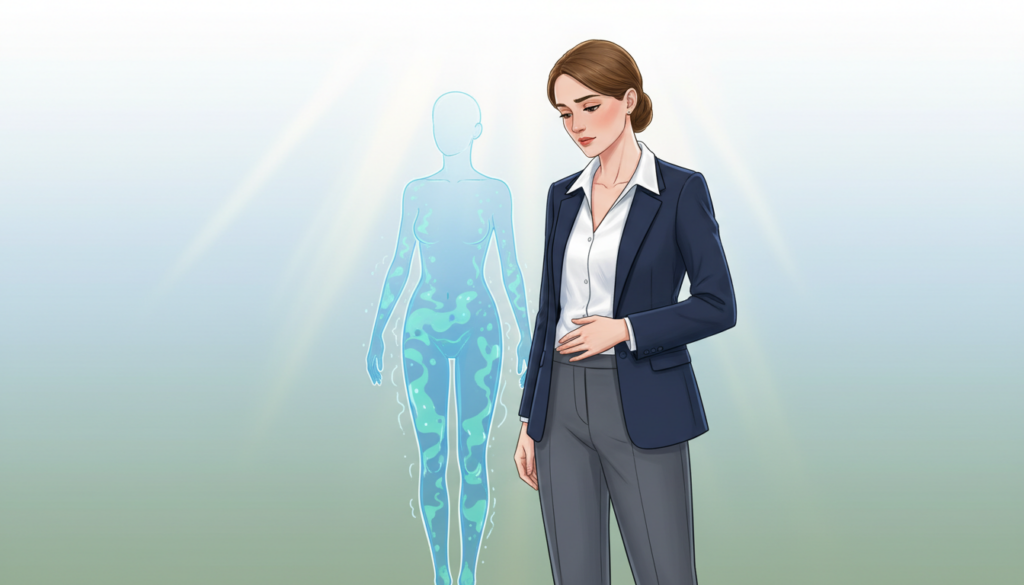
Many daily scale swings come from extra fluid stored in tissues and blood vessels, not new fat. This water retention can make clothes feel snug and rings tight overnight.
Why the scale moves day by day
Why day-to-day weight fluctuations are common
Salty meals, higher carb intake, hormonal shifts, stress, sleep patterns, and activity levels all change how the body holds fluid. These forces can add or remove a few pounds within a short period.
Where extra fluid shows up in the body
Fluid often pools in the hands, feet, and ankles. That soft, puffy look is typical of extra water and differs from true gains in fat tissue.
- Everyday meaning: retention means extra fluid in tissue or vessels, not added fat.
- Timing contrast: fat builds slowly with sustained calorie surplus, while fluid can appear overnight and fall fast.
- Common signs: tight jewelry, snug shoes, and a softer feel in limbs.
| Feature | Fluid Changes | Fat Gain |
|---|---|---|
| Onset | Fast (hours to days) | Slow (weeks to months) |
| Common locations | Hands, feet, ankles | Abdomen, hips, thighs |
| Feel | Soft, puffy | Firm, denser |
| Scale effect | Quick swings | Gradual rise |
Small shifts over a week are normal and usually harmless. If you suspect true weight gain or sudden severe swelling, consult a healthcare professional.
Signs It’s Water Weight (and Not True Weight Gain)
A few simple checks at home can show whether swelling is fluid or true tissue gain. Look for quick changes in fit, puffiness, and marks on the skin. These are often early signs that point toward fluid shifts rather than lasting change.
A practical checklist
- Sudden puffiness in hands, feet, or face.
- Tight jewelry or rings that feel snug.
- Indentation from socks or shoe marks that did not used to appear.
- Rapid scale increases over a short period; this can be a sign of quick weight gain from fluids.
The pitting edema press test
Press firmly on a swollen spot (ankle or shin) for a few seconds, then release. If an indentation lingers, that suggests fluid retention.
What it does and does not tell you: The press test indicates pooled fluid but does not reveal the cause. Healthy people may get a weak result after exercise or salt intake. The depth and recovery time vary by person and recent activity.
Red flags and urgent signs
If you gain more than 4 pounds in 3 days or swelling worsens despite self-care, seek evaluation. Don’t wait if you have trouble breathing, chest pain, facial or throat swelling, or swelling with warmth, redness, or pain—these can signal problems with the heart or blood circulation.
Next: Learn common causes so you can target the driver behind fluid retention and respond safely.
Common Causes of Fluid Retention in Adults
Several common lifestyle and health factors drive noticeable fluid accumulation in adults.

High sodium intake, processed foods, and sudden diet changes
High sodium intake and salty processed foods make people feel thirstier and can increase fluid retention. A weekend of restaurant meals or a salty takeout can create quick swings in intake and scale readings.
Watch packaged snacks, canned soups, fast food, and frozen meals—these foods hide a lot of salt and are easy to underestimate.
Inactivity and long periods of sitting or standing
When adults sit or stand for hours, fluid pools in the legs and ankles. That explains the common end-of-day puffiness after long flights or long shifts.
Hormonal shifts
Menstruation often brings temporary retention. Pregnancy causes more lasting swelling and needs medical guidance during prenatal care.
Medications and treatments
Certain antidepressants, some blood pressure drugs, contraception, chemotherapy, and hormone therapies can trigger fluid buildup. Do not stop medications without talking with your clinician.
Health conditions linked to edema
Persistent swelling may signal underlying conditions of the heart, kidneys, or liver and deserves evaluation.
“Identifying the likely cause lets you pick safer, targeted steps that may reduce puffiness.”
Once you have a likely cause, the next section outlines practical, safe strategies and realistic expectations.
For related lifestyle tips, see plant growth hacks.
How to Lose Water Weight Safely and Effectively
Smart daily habits can shift excess fluid without risking dehydration or electrolyte loss.

Set realistic expectations
Aim for reduced puffiness and stable hydration rather than aggressive drying. The goal is loss of excess water and a firmer feel, not dramatic or unsafe drops on the scale.
Timelines that feel normal
Minor shifts often appear in 24–72 hours after lowering sodium, trimming refined carbs, or moving more. Results vary by person and by underlying cause.
Practical safety framework
- Start with food-first changes: fewer processed foods and modest carb adjustments.
- Use beverages and herbs cautiously; avoid repeated, strong diuretics without medical advice.
- Keep fluids and electrolytes balanced—don’t restrict water to chase short-term loss.
Track signs beyond the scale
Watch ring fit, ankle puffiness, and clothing comfort. Weigh at the same time each day for consistent readings.
| Goal | Expectation | Safety tip |
|---|---|---|
| Reduce puffiness | 24–72 hours for small change | Adjust sodium and activity first |
| Short-term scale drop | Often fluid and glycogen, not fat | Maintain hydration; avoid extreme measures |
| Persistent swelling | Days or worsening trend | Contact a clinician promptly |
“If swelling lasts more than a few days, is severe, or comes on suddenly, seek medical evaluation.”
Reduce Sodium Intake to Help Reduce Water Weight
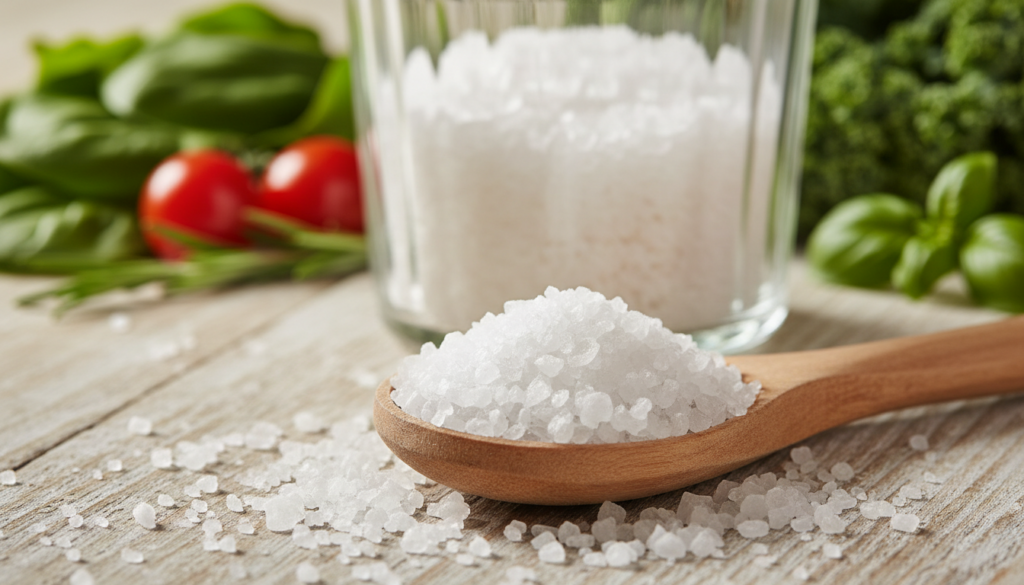
Daily targets in the United States: aim for no more than 2,300 mg of sodium per day, with an ideal goal near 1,500 mg for most adults. Staying near the lower target can help reduce water retention and ease puffiness.
Why sodium matters: sodium draws fluid into the bloodstream and surrounding tissues. After a very salty meal, the body holds extra fluid and that often appears as higher numbers on the scale the next morning.
High-salt culprits to watch
- Chips, crackers, and packaged snacks.
- Canned soups like chicken noodle and many broths.
- Fast-food sandwiches and restaurant meals.
- Frozen pizza and many so-called “healthy” sauces or dressings.
Flavor without extra salt
Use garlic, chili flakes, cumin, Italian seasoning, and black pepper. Brighten dishes with lemon juice or vinegar-based dressings for big flavor without added salt.
Label-reading tips
Check serving size first, compare the % Daily Value, and watch condiments for hidden sodium. Choose “low sodium” or “no salt added” canned options when possible.
| Action | Expected effect | Simple swap |
|---|---|---|
| Cook one meal at home daily | Better control of sodium per day | Grilled chicken with herbs |
| Replace one packaged snack | Lower processed foods sodium | Fresh fruit or unsalted nuts |
| Choose low-sodium canned goods | Fewer hidden mg of sodium | No salt added beans |
Try this plan: pick one meal each day to cook, swap one salty snack, and reassess puffiness in 48–72 hours. For beverage cost tips related to homemade sparkling water, see the SodaStream savings guide.
Cut Back on Refined Carbs to Drop Excess Water Linked to Glycogen
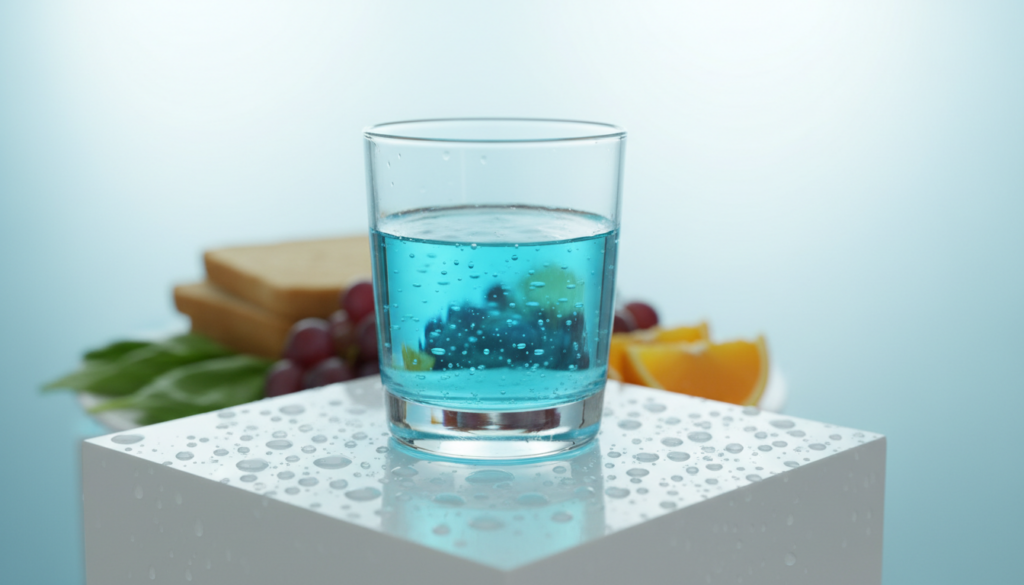
Glycogen acts like a sponge in muscles and the liver. Each gram of stored glycogen holds roughly three grams of water, so changes in stores can shift scale readings fast.
Why glycogen matters
When you eat fewer refined carbs or burn more during activity, glycogen falls and the attached fluid leaves with it. That explains quick short-term drops on the scale.
Insulin, sodium, and fluid balance
Higher insulin can boost sodium reabsorption in the kidneys. More sodium often means more retained fluid, which can worsen bloating for some people.
Smart swaps and a simple day plan
- Swap white bread for whole-grain bread and sugary cereal for oatmeal.
- Choose sparkling water instead of soda, and fruit plus Greek yogurt instead of pastries.
- Day plan: protein + vegetables at each meal, plus one slow carb like quinoa or sweet potato.
Tip: observe how different carb choices affect comfort over several days. For grocery savings and practical swaps, see frugal grocery tips.
Hydrate More to Signal Your Body to Let Go of Extra Water
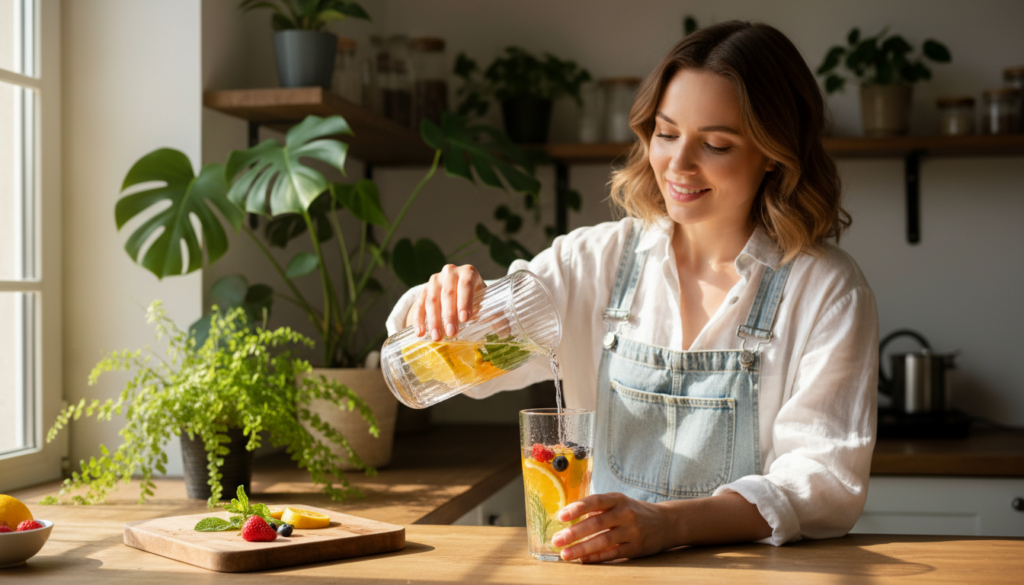
Drinking steadily through the day helps the body stop hoarding extra fluid. When the body senses low fluid, it holds onto what it has. That response can make you feel puffy and bloated.
Why dehydration can make your body hold onto fluids
Dehydration triggers hormones that conserve fluid and salt. This quick protective response raises fluid levels in tissues.
Tip: avoid chugging large amounts at night. Sip regularly instead to maintain steady balance and clear signals for the kidneys.
Water-rich foods that support hydration
Many fruits and vegetables carry high water content and add vitamins without excess sodium.
- Cucumbers and lettuce — crisp, low-calorie hydration.
- Watermelon and oranges — sweet, portable options.
- Strawberries, celery, and tomatoes — snacks that help fluid balance.
“Pale-yellow urine, extra sips around workouts, and increased drinks in hot weather are simple, reliable hydration cues.”
| Signal | Action | Benefit |
|---|---|---|
| Pale-yellow urine | Maintain current sipping pattern | Good hydration, less puffiness |
| Dark urine or dry mouth | Increase fluids slowly over the next hour | Reduces retention response |
| Heavy sweating or salty meal | Drink and include an electrolyte snack | Supports fluid and mineral balance |
Health gains include smoother digestion, less of that “soft” feeling in limbs, and often better performance during exercise. If you have heart or kidney disease, follow clinician guidance before changing fluid intake.
For comfort-food swaps that fit a hydration-friendly plan, see healthy comfort foods.
Move Daily: Exercise, Sweat, and Circulation Support
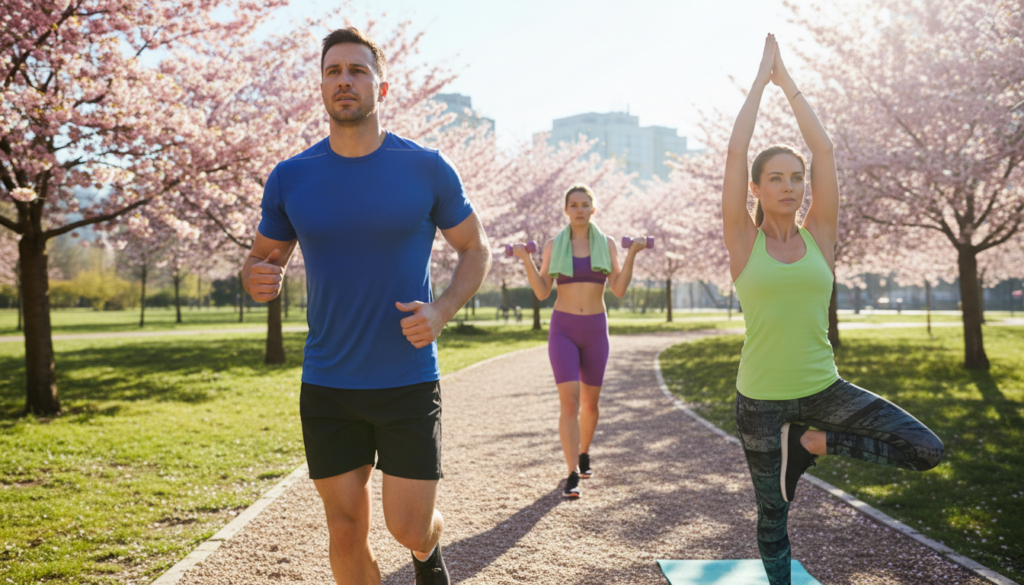
Short bursts of exercise shift fluid into working muscles and can slim a bloated appearance quickly. That movement also encourages circulation, which stops fluid from pooling in the feet and ankles after long sitting or standing.
Why simple movement helps
When muscles contract, they draw fluid into active tissue and away from the surface. Sweat removes some fluid short term and can make you feel firmer.
Circulation matters: gentle walking or light cardio prevents leg and ankle swelling that builds through the day.
Approachable options for most fitness levels
- Brisk walking or short bike rides.
- Bodyweight strength sessions (2–3 times weekly).
- Five- to ten-minute “movement snacks” every hour at a desk.
A simple weekly target
Move most days, include 2–3 strength sessions, and take a short walk after especially salty or high-carb meals. This pattern supports modest loss of excess fluid and improves overall tone.
Sauna use and hydration cautions
Saunas increase sweat and can create transient drops on the scale, but this is not fat loss. Always replace fluids afterward and stop if you feel dizzy.
| Action | Short-term effect | Safety note |
|---|---|---|
| Daily walking | Reduces leg pooling | Start 10–20 minutes, build gradually |
| Strength training | Shifts fluid into muscle | 2–3 sessions per week recommended |
| Sauna | Transient sweat loss | Rehydrate, avoid if pregnant or unwell |
Practical tip: after a high-sodium meal, add a 20-minute walk and an extra glass of water. For related lifestyle saving tips, see simple home routine savings.
Electrolytes and Natural Diuretics That May Help with Water Retention
Electrolytes are minerals that help regulate hydration and fluid balance. Imbalances can contribute to fluid retention, so focusing on food-first choices often works best.
Potassium-rich foods that counter sodium
Potassium helps the kidneys excrete sodium, which can increase urine output and may help reduce water retention. Aim for food sources rather than high-dose pills when possible.
Foods that supply potassium include spinach, tomatoes, potatoes, and lentils. Other common picks are dairy, seafood, and poultry.
Magnesium for hydration balance and PMS support
Magnesium may help with mild PMS-related water retention and supports overall hydration balance. Choose leafy greens, nuts, seeds, and whole grains first.
Consider supplements only after discussing dose and timing with a clinician, especially if you take medications.
Caffeine’s short-term diuretic effect
Caffeine can increase urine output in some cases. One study showed ~537 mg (about six cups of strong coffee) raised urine output, while ~269 mg (about three cups) did not significantly change fluid balance.
Use caffeinated drinks sparingly as an occasional aid, not a primary strategy.
Herbs with limited but interesting human data
Dandelion supplements increased urination frequency over a five-hour window in a small study. Evidence for hibiscus, parsley, nettle, and horsetail mainly comes from animal or lab research and is less robust.
“Treat herbal options as experimental add-ons rather than replacements for core habits.”
Safety checklist before increasing fluid excretion
Speak with your clinician if you have kidney or heart conditions or take blood pressure medicines. Avoid stacking multiple diuretics (herbal or pharmaceutical).
Watch for dizziness, cramps, or rapid changes in urine. Stop any new supplement and seek care if you feel faint or notice an irregular heartbeat.
| Option | What it may help | Key safety note |
|---|---|---|
| Potassium-rich foods | Counter sodium; may reduce fluid retention | Food-first is safe; check meds that affect potassium |
| Magnesium (food/supplement) | Hydration balance; PMS-related swelling support | Ask clinician before supplementing if on meds |
| Caffeine (coffee/tea) | Short-term urine increase at higher doses | Effects vary; avoid excess or late-day intake |
| Dandelion & herbs | Limited human data; may increase urination | Evidence small; interact with meds—use cautiously |
Bottom line: these options may help when layered over solid basics—sodium control, steady hydration, and movement. Always check with a healthcare provider before boosting fluid excretion.
Conclusion
A short plan that ties mindful eating, steady fluids, and daily motion gives the best chance of easing puffiness.
Recap: aim near the recommended sodium per day targets, trim refined carbs that hold glycogen, drink steadily, and move each day to support circulation and comfort. These practical steps help reduce water weight and reduce excess water without extreme measures.
Helpful add-ons include potassium-rich foods, modest magnesium support around PMS, and cautious use of caffeine or herbal options. Keep electrolyte balance in mind and avoid dehydration or stacking diuretics.
If swelling in the feet or ankles lasts more than a few days, rises quickly, or comes with severe symptoms, seek medical care promptly.
Pick two simple changes today—cook one low-sodium meal and take a 20-minute walk—then reassess how you feel over the next few days.